

The Feeling Sense: Proprioception
Proprioception plays an important role in how we move, coordinate our bodies and interact with our environment. It helps us understand where our body parts are, how they are moving and how much force we need to produce during an activity. For autistic children, differences in sensory processing may influence how proprioceptive information is experienced and used during movement. These differences can be relevant when learning new motor skills, participating in physical activity and completing everyday tasks.
Exercise Physiologists can consider proprioception when assessing a child's movement abilities and designing individualised exercise programs. By understanding the relationship between sensory information, motor skills and physical activity, we can identify practical ways to support children's physical development, confidence and participation.
What is proprioception?
Proprioception is the body's ability to sense the position and movement of its joints and body parts, as well as the force produced by its muscles.
Sensory receptors in muscles, tendons and joints provide information to the nervous system. This information contributes to our ability to coordinate movements, adjust force and position our bodies without constantly relying on vision.
Proprioception contributes to many everyday activities, including:
Adjusting grip strength when holding different objects (and not crushing it in your hand!)
Controlling force used when throwing, kicking or catching a ball
Coordinating limb movements during running, climbing and jumping
Positioning the body when sitting, standing or changing direction
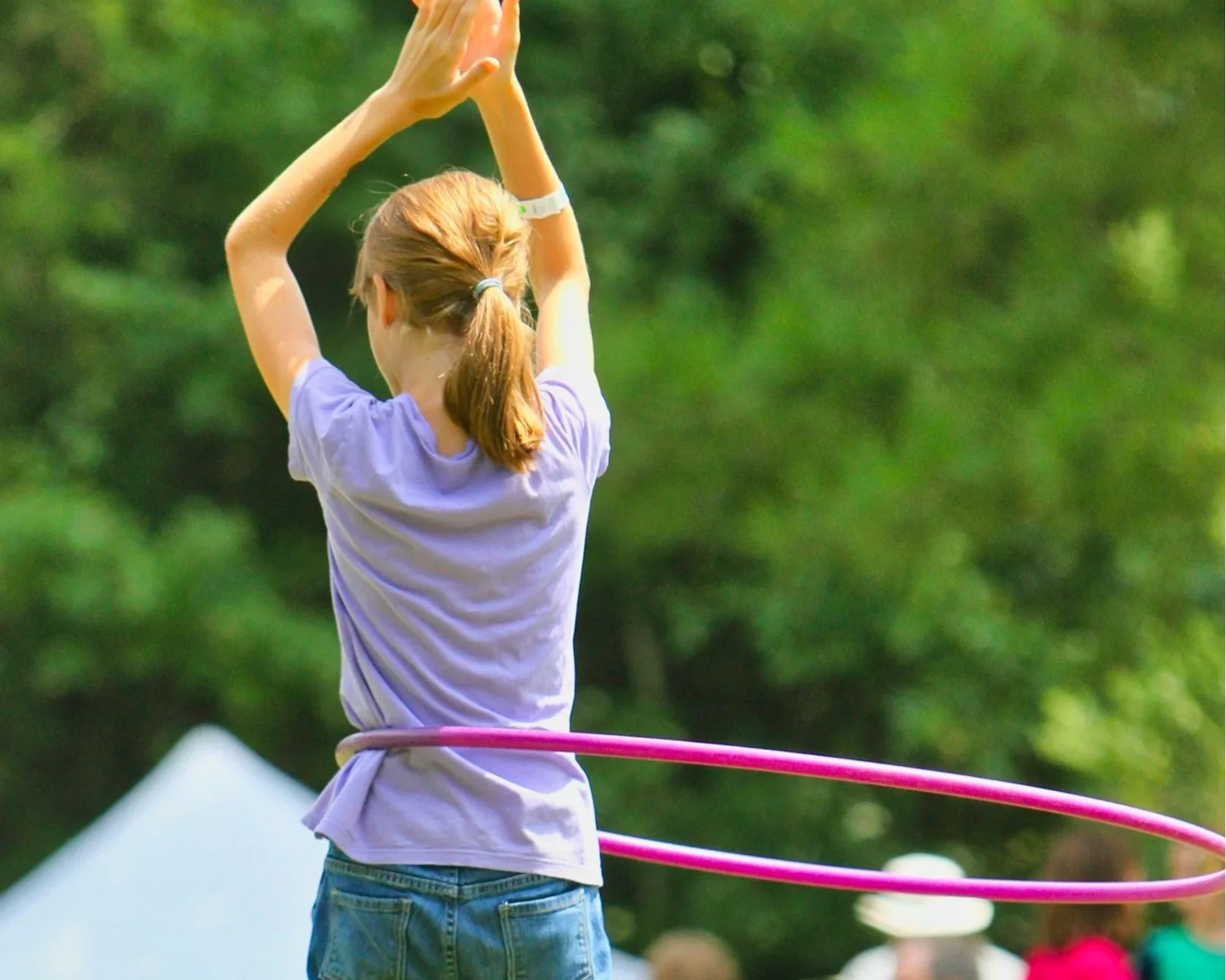
Proprioception works alongside other sensory systems, including vision, touch and the vestibular system as a team that controls balance, posture and movement planning.
Proprioception and autism
It is well documented that autistic people experience sensory information differently. Some autistic people demonstrate differences in sensory sensitivity (e.g., how loud does a noise need to be before we hear it), while others demonstrate differences in sensory reactivity (at what volume is the nose distressing). It is important to note that there differences can go either way; some have low sensory sensitivity and others high. What we do know is that autistic people experience the sensory world differently, and this therefore affects the way that they think, plan and move.
For children, many are often unaware of their sensory differences and seek or avoid sensory experiences to self-soothe and meet their needs. While some kids seek quiet, still places, others seek lots of input, such as pulling, jumping, crashing and lifting. These kids are attempting to increase the proprioceptive input that their body receives. We know that proprioceptive information is important for a range of movements, but what happens if the system is not sensitive enough? What if a child does not have enough input to adequately understand their body position in space? Well in my experience, it goes one of two ways.
The child constantly movement seeks throughout the day, meeting their needs.
Dysregulation due to unmet needs.
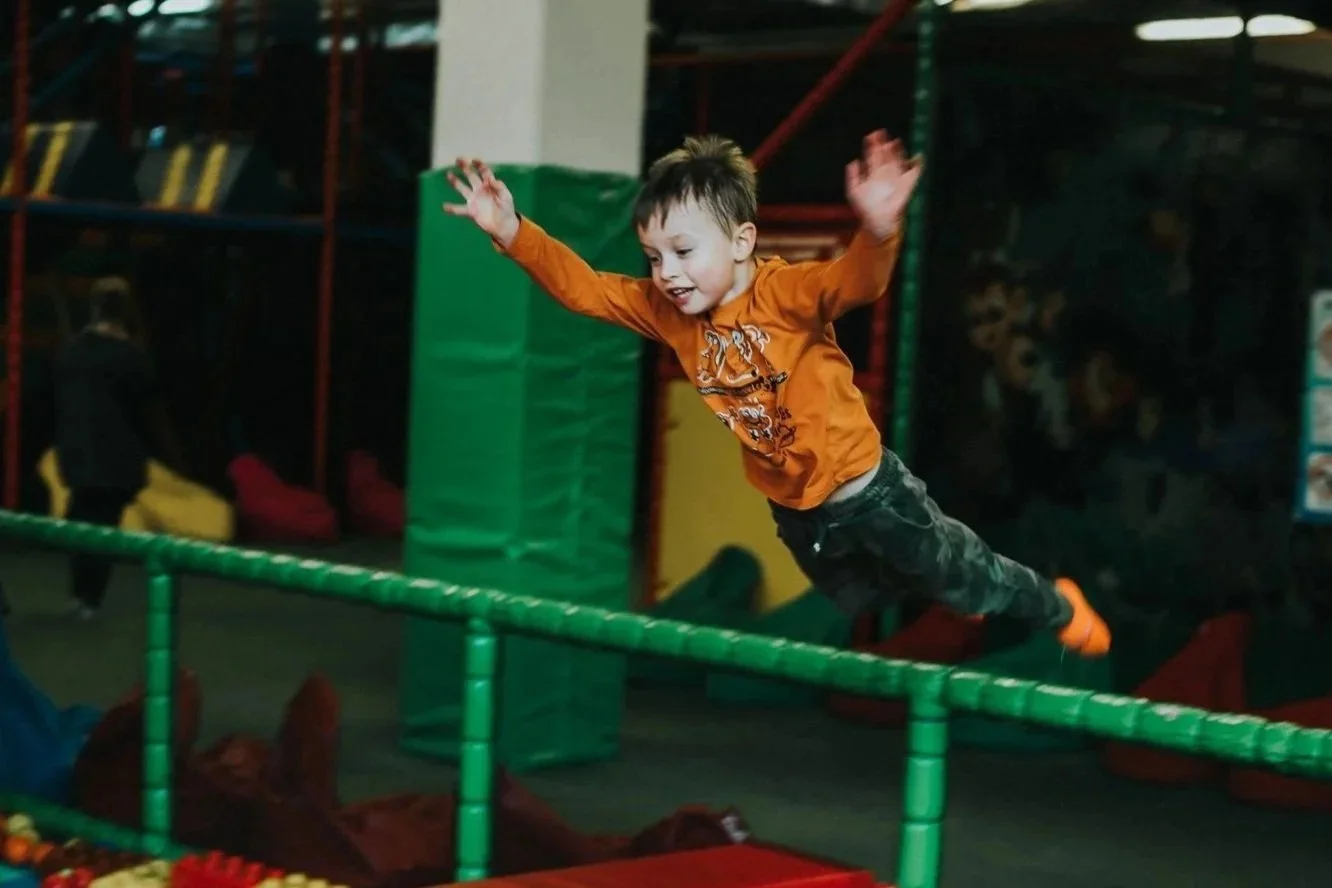
So how can we support kids to access proprioception in safe and appropriate ways?
Resistance activities
Movements and exercises that produce force in muscles and through joints are not only important for bone and muscle health but also provide a high stimulus of proprioceptive input via receptors in muscles spindles and joint receptors. Some examples include:
squats, jumping and hopping
pushing and pulling
carrying heavy objects
climbing and swinging on equipment
resistance-band exercises
machine and free-weights (when age appropriate and supervised)
Gross motor skill activities
Motor skills that require the body to coordinate multiple limbs or movements can support proprioception and improve reactivity and sensitivity of the system. Some examples include:
Throwing at a target
Throwing different balls different distances
Experimenting with different size and weights of balls during a game
Striking sports such as cricket, tennis or baseball
Games that require the use of two or more limbs on different tasks, such as egg and spoon races or dribbling a ball and running
Add heavy work to every day routines
If you haven’t read my blog on heavy work, you should check it out! Everyday activities such as pushing the shopping trolley, carrying a heavy bag or climbing on the playground can provide regulating proprioceptive feedback.
Building confidence in the child
It is important to recognize that sensory differences do not mean deficits, and that a primary driver for motor performance has nothing to do with skill, but participation! Often kids with sensory differences get reduced chance to practice due to the different conditions in which they perform best. Sometimes, the best practice, is just practice! Allow the child to get high repetitions at a skill and build confidence in their body position and the feedback it gives. Some simple swaps:
Rapid fire a whole bucket of balls towards a target then pick them all up
Make the goal huge and practice kicking towards it, reducing over time
Reduce the cues and demands and simply have a go, so that the child can find the way their body does it best
Change the desired outcome - e.g., instead of how many times can you score, how many shots can you have in a set time period?

Confidence, motivation and resilience are just as important as skill development.
How do I know if the activities are helping?
The primary outcome of any health professional’s intervention should be wellbeing. Check to see how your child is feeling and behaving throughout the day, and how extra input is changing their regulation, arousal and participation.
Another key change will be refined performance. This may be evident in the outcomes, e.g., improved accuracy, strength or control, but also in technique. A key sign that a child is developing their ability to use their proprioceptive sense is reduced variability in the way that they perform the task. Often, when I ask a child to throw a ball, the first 10 attempts can look very different! Over time, I notice the child responding to their body’s cues, refining their technique and improving in their consistency. This is often a sure sign that their system is working for them!
Proprioception is one of the many factors that contribute to how children learn, coordinate and experience movement. For some autistic children, differences in sensory processing may influence their movement preferences or the way they perform particular physical tasks.
Exercise Physiologists can consider these differences when assessing movement, identifying individual goals and designing exercise programs. Through strength training, motor skill practice, varied movement experiences and appropriate activity modifications, they can create opportunities for children to develop physical skills and participate in activities that matter to them.
The most effective approach is not to prescribe the same sensory activities to every autistic child. It is to understand the individual, identify the skills they want or need to develop, and use enjoyable, purposeful exercise to support those goals.
Understanding how a child experiences movement helps us design better opportunities for them to participate, learn and build confidence in their own bodies.
