
Heavy Work - Why It’s Great
As commonly taught, many autistic people have sensory differences that create unique experiences of the environment. This includes some of the common tropes of auditory sensitivity, sensitivity to tags on clothing and aversion to eye contact, but also can often include low registration.
One of the key misunderstandings of sensory differences is that all autistic people’s differences are hypersensitivity. Many young people require more input, not less.

Modulating stimuli
I often like to teach sensory input like a mixing deck - some of us need different settings than others to enjoy the music! This may include increasing, or decreasing different sensory inputs to find what allows your brain to function to it’s best.
Our body utilises the sensory system as a way of giving feedback to our brain to guide our decisions - what to eat/not eat, what is safe to touch, where we are in a room or whether we need to catch our balance! The last two examples I just gave describe what many call the “invisible senses”, proprioception and vestibular function.
Proprioception
The proprioceptive system is made up of a network of receptors in muscle and joints (muscle spindles and golgi-tendon receptors for the nerds out there) that provide feedback to the brain on the position of the body. The brain receives this information and combines it with vestibular and visual input so that it can coordinate movement and provide us with postural security.
For many autistic people, this sense does not provide enough feedback to the brain. This can manifest in a variety of ways, including:
Clumsiness, or bumping into things often
Lack of force control - pushing hard on a pencil, squeezing things too hard, not being able to match a skill to the environment (e.g., throwing as hard as you can in the living room!)
Seeking sensory stimuli in other areas - chewing, rubbing, scratching etc.
Behavioural seeking such as toe walking
Unfortunately, this is often missed across many settings, and the kids who are craving more input are told to “sit still”, which makes the problem worse!
Imagine trying to sit still in soaking wet bathers on a hot metal bench. It isn’t just uncomfortable, it’s likely impossible to listen, learn or be regulated.
So how do we improve this situation?
Put simply - we need to give the brain more information. This usually means moving more, not less. To reduce the need to seek intense sensory experiences such as rough or dangerous play or toe walking we need to provide a replacement stimulus.
Active Play
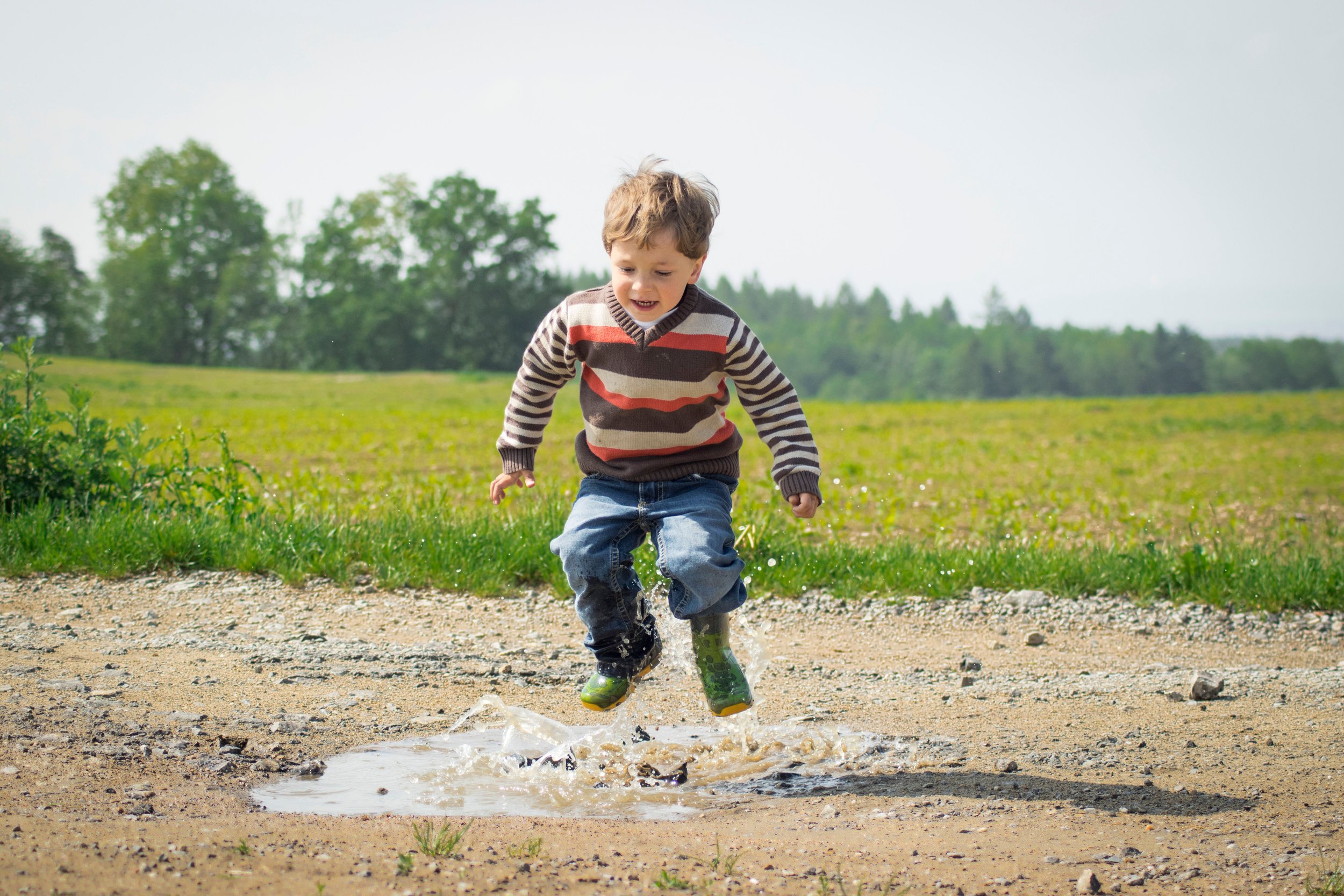
A key driver of regulation of the proprioceptive system is providing suitable opportunity for movement. Some of the best activities are simply to play and be active - run, jump, swing, climb, kick, throw; all of these activities increase feedback from the body to the brain. One of my favourite activities is a trampoline - this combines several regulating senses in one (and is a lot of fun).
Resistance Activities
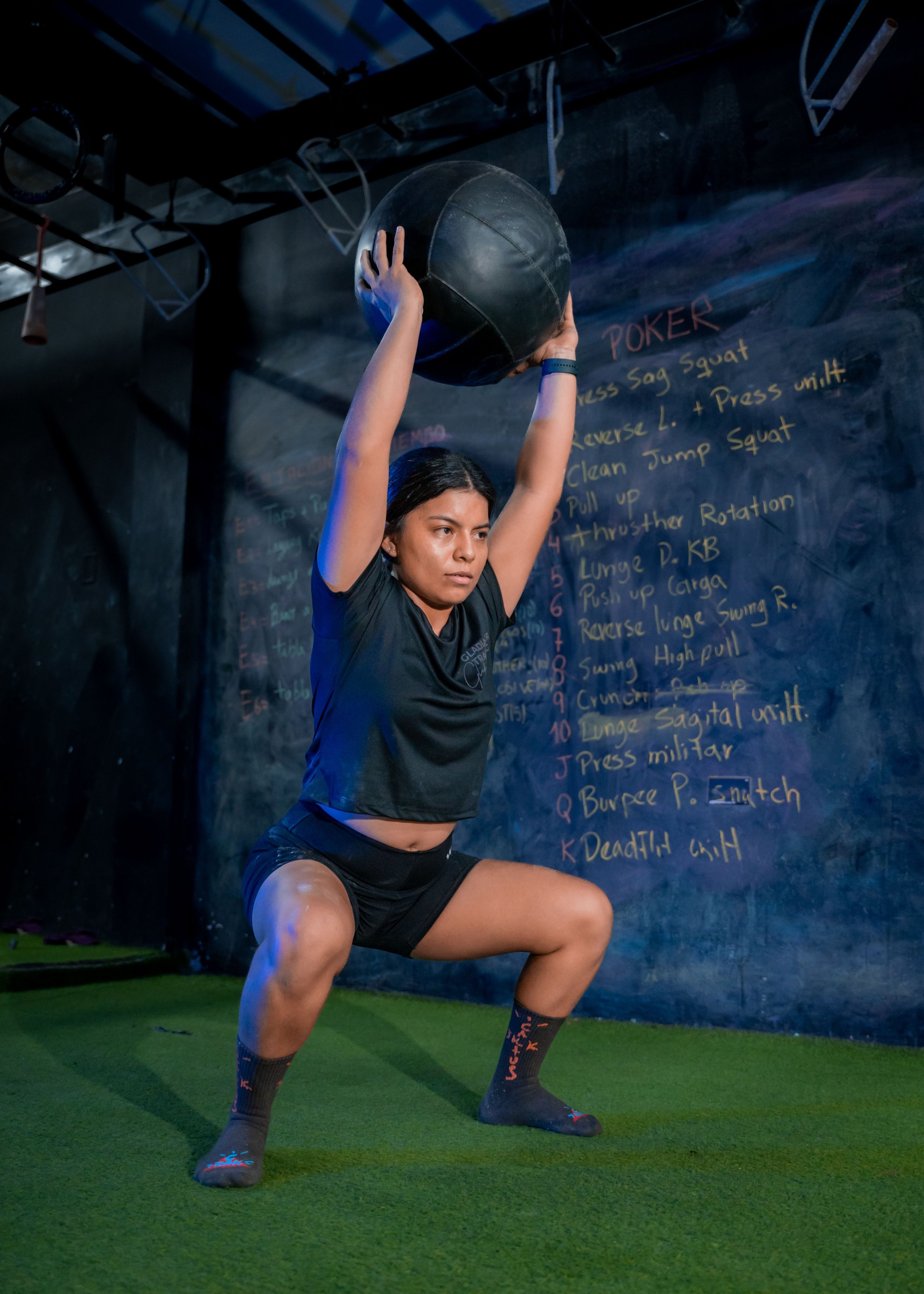
Another excellent option is to participate in resistance training activities. Strength training is proven to be safe for all ages when tailored to age and stage of development. For adults this can be heavy weight lifting, for young people calisthenics and resistance bands, and for kids body weight and weighted ball exercises. This type of training provides a very high stimulus to the body, so it is important to consider the full sensory impact prior to making it part of a routine.
Heavy Work
A specific way of achieving proprioceptive input through everyday tasks can be described as “heavy work”. This includes any activities that provide firm pressure and resistance to joints or limbs, generating significant proprioceptive feedback.
I am a heavy proponent of heavy work as it is something that can be made accessible to all, is easy to include in everyday routines, and can be implemented across contexts to facilitate learning and regulation. Heavy work can be anything from jumping to dragging an object - it is totally limitless. Take a second now to think about the ways that you unconsciously seek heavy pressure to your joints - do you push your toes into the floor when sitting? Do you crack your knuckles? Do you carry a heavy backpack and hold the straps with your hands to feel the pressure? Proprioception is something that we all need and use everyday.
Here are 10 examples of heavy work that I have implemented with young people:
Stomping and Jumping - landing with “soft knees and hard feet” to safely generate high force through the legs
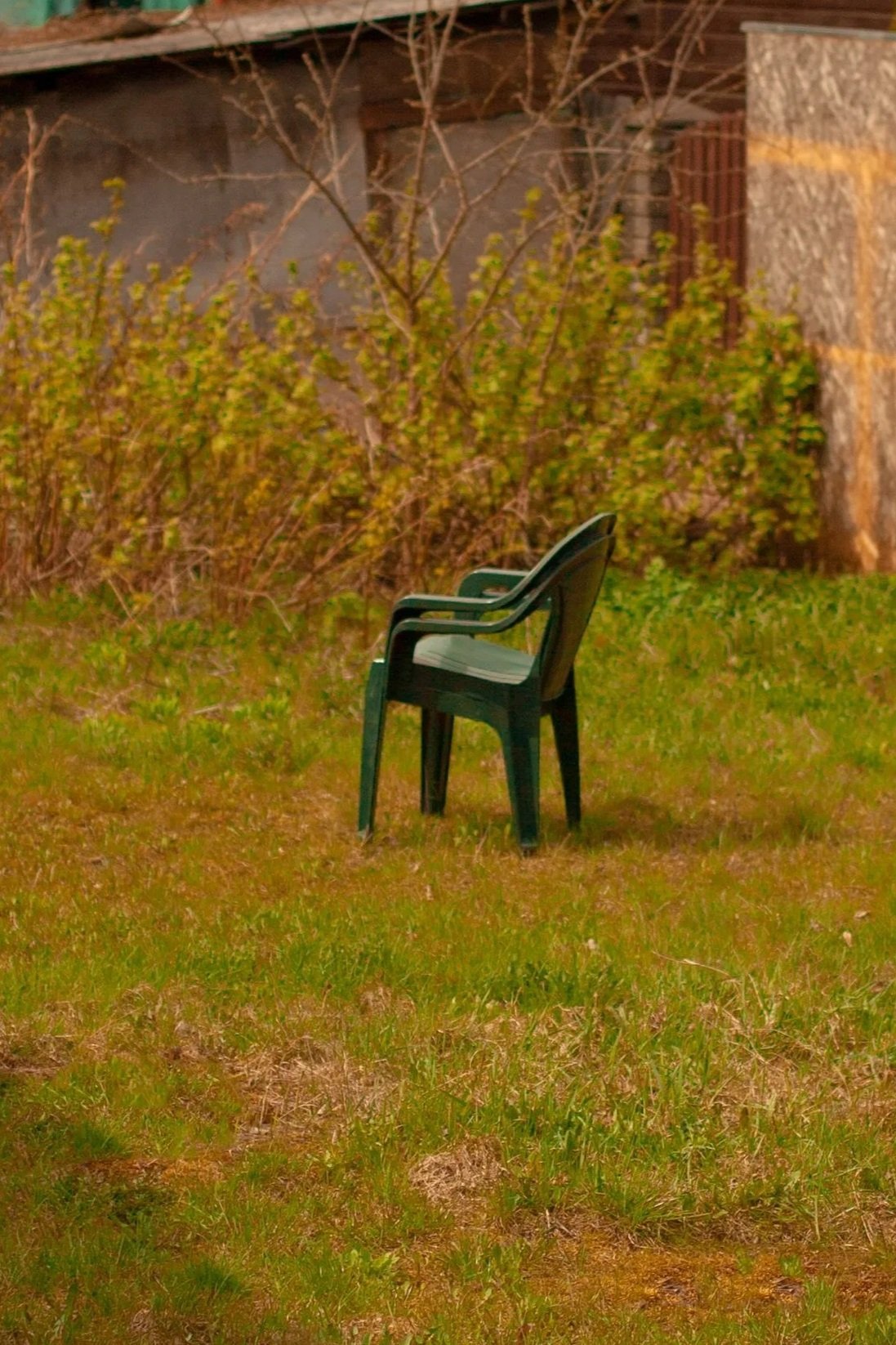
Dragging a plastic chair on the lawn - difficult, satisfying and a great brain break
Slamming a heavy ball on the floor - lot’s of feedback for the whole body and a great release!
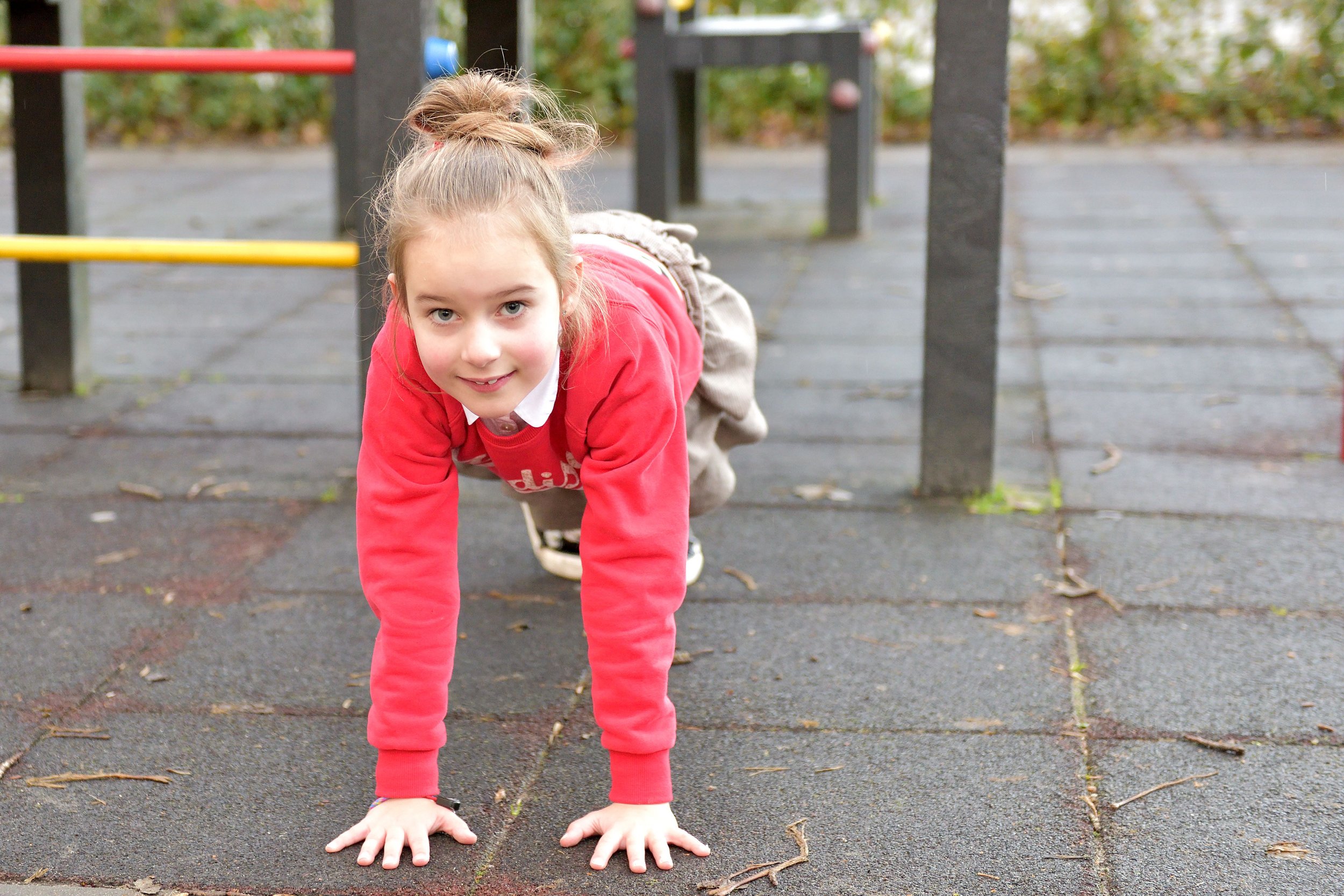
Walking on all fours like a bear or a crab - this provides lots of pressure through the arms and shoulders
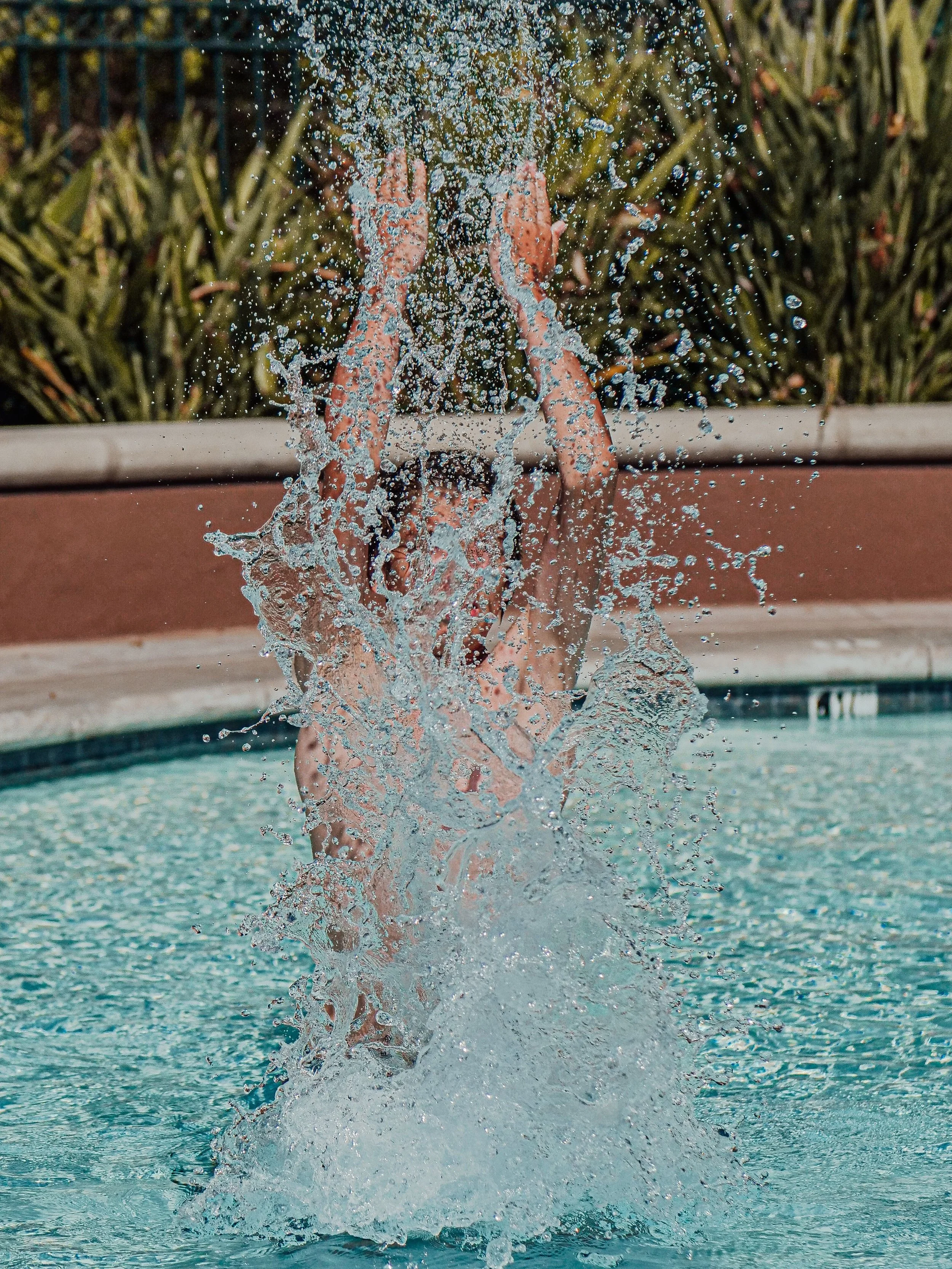
Swimming and other water-based activities - the water provides a constant pressure to the joints offering a lower, consistent level of stimulus
“Secret Agent Squeezes” - squeeze your legs together under the table, push your feet as hard as you can into the floor, fold your arms and squeeze tight! Sometimes we need to regulate in spaces that aren’t always socially safe
Climbing - excellent way to work on coordination and provide high sensory feedback
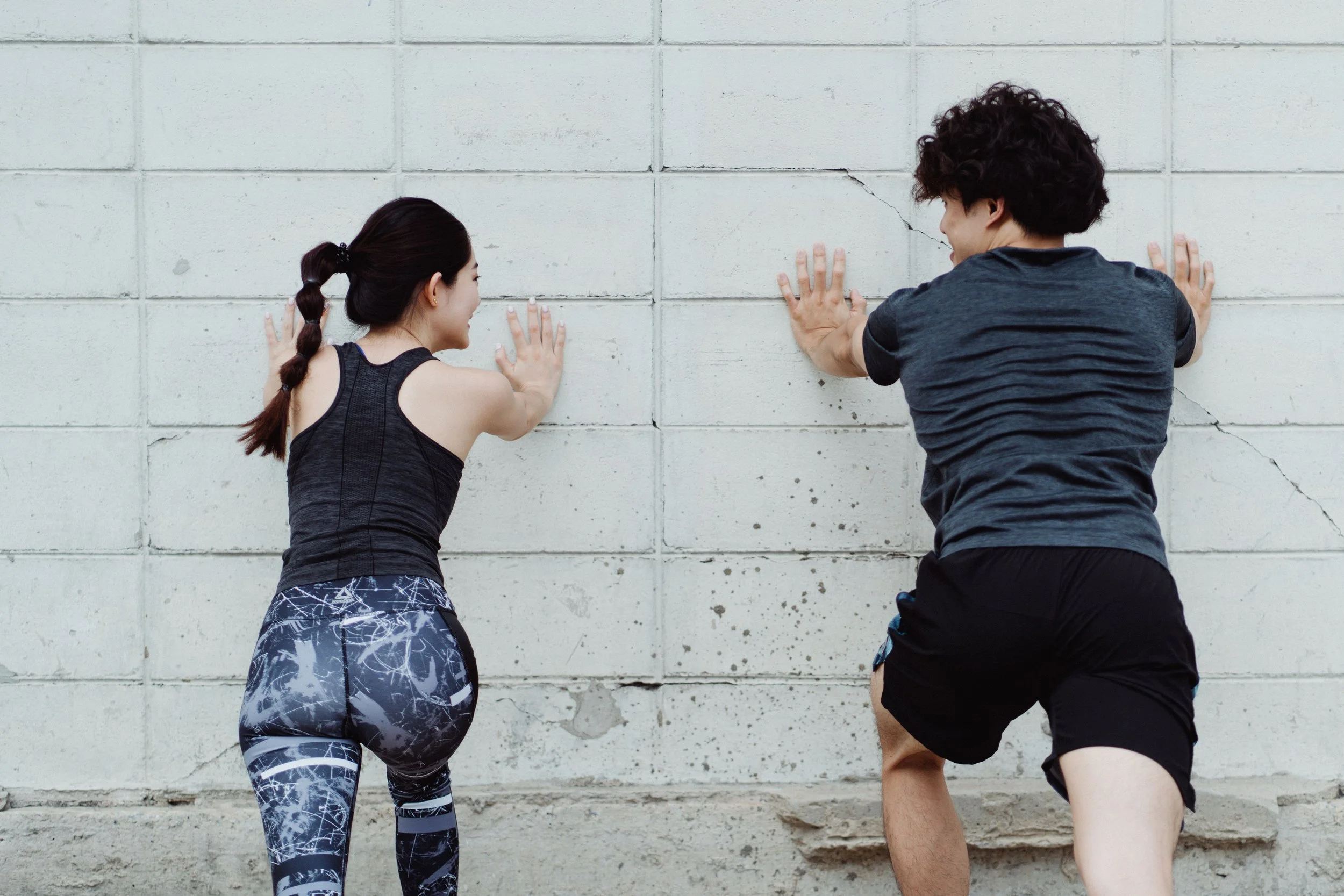
Manual resistance activities - push hand against hand with a partner, put your child’s legs on your shoulders and get them to push you off like a leg press, and more
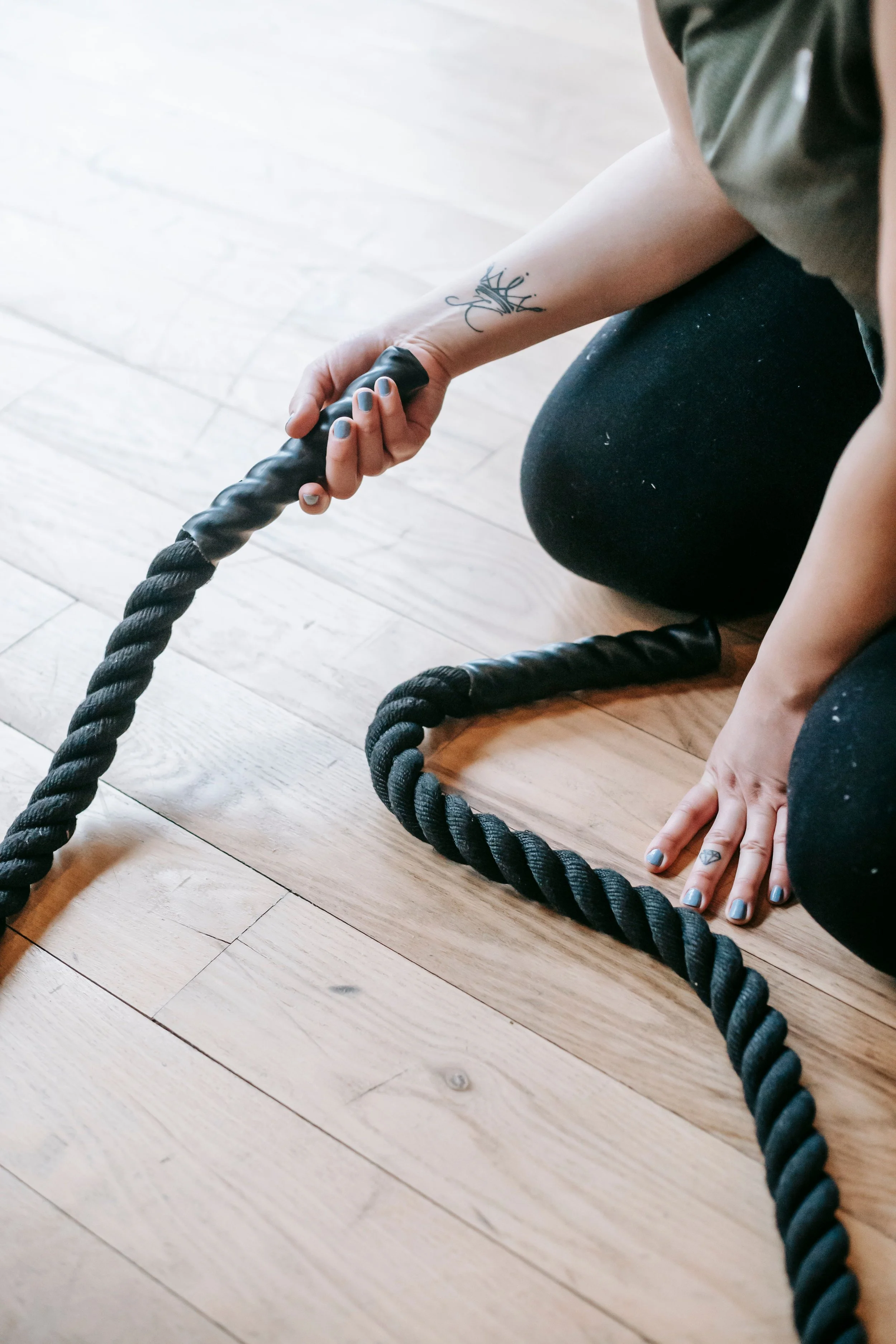
Dragging a heavy rope and then pulling it in - excellent combination of coordination and resistance that generates huge amounts of sensory input
Carrying a heavy bag - carry it across the room, unload it, reload it and carry it back
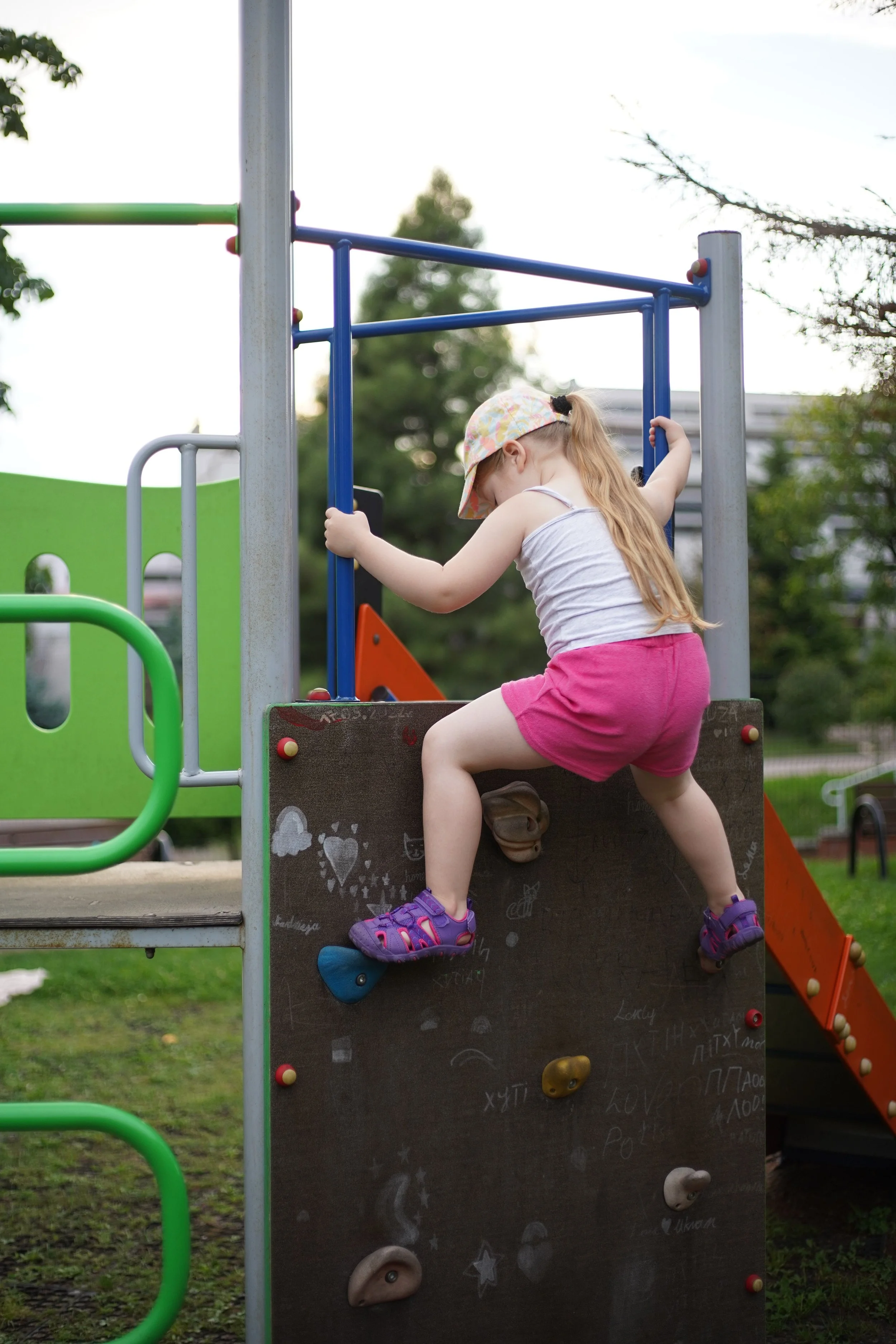
These are just some examples of heavy work. This represents a fun, low-cost, easy to implement way to not only support regulation but support learning, focus and confidence in the classroom.
Consider this - are there suitable opportunities for heavy work in you, your child or your class’ day? How can you provide more opportunities?
If you are stuck for ideas, reach out - I would love to help.