

Is Strength Training Safe for Kids?
The common misconceptions
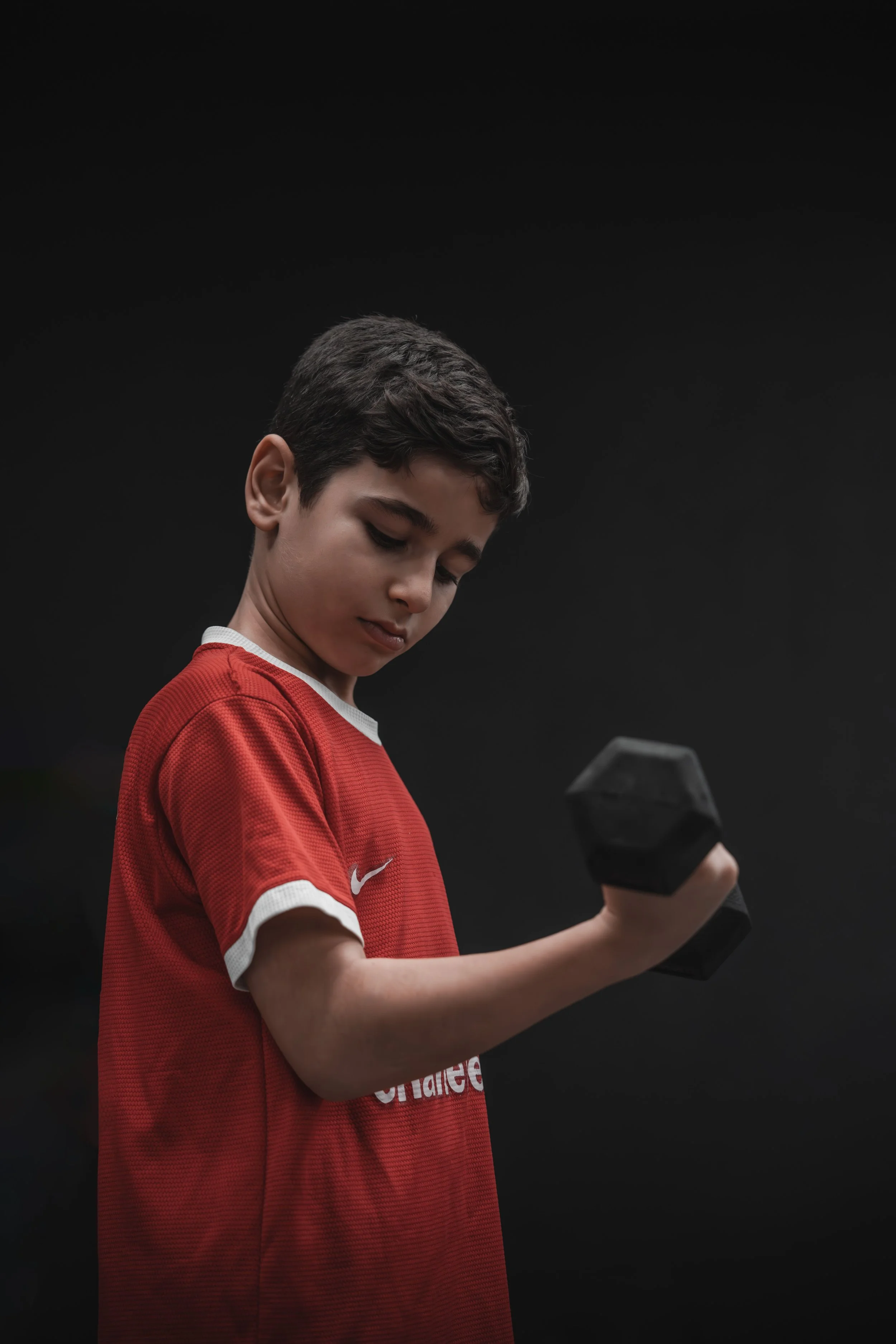
One of the most frequent conversations I have as a paediatric exercise physiologist, and one of the largest misconceptions about physical development centre around one question - is strength training safe for kids?
For a long time, many have made arguments for the harm of strength training, for example:
“It will damage their growth plates”
“It’s dangerous to load up the muscles and bones”
“It can stunt their height”
I am happy to inform you that there is overwhelming evidence that these are myths, and that strength training is not only safe and appropriate but recommended.
One of the key misconceptions about strength training actually pertains to what it is. Many have a narrow definition of strength training to be high intensity, high load free weight training close to failure such as bodybuilding for hypertrophy or power lifting. While these are examples of strength training, they are certainly not the norm!

It is a common misconception that strength training is unsafe for kids.
What is strength training?
Strength training can be defined as “any form of exercise that puts muscles and bones under resistance”. We know through extensive research across the lifespan that muscles and bones need to be placed under resistance to be healthy. This becomes especially important during childhood as an opportunity for muscle and bone development.
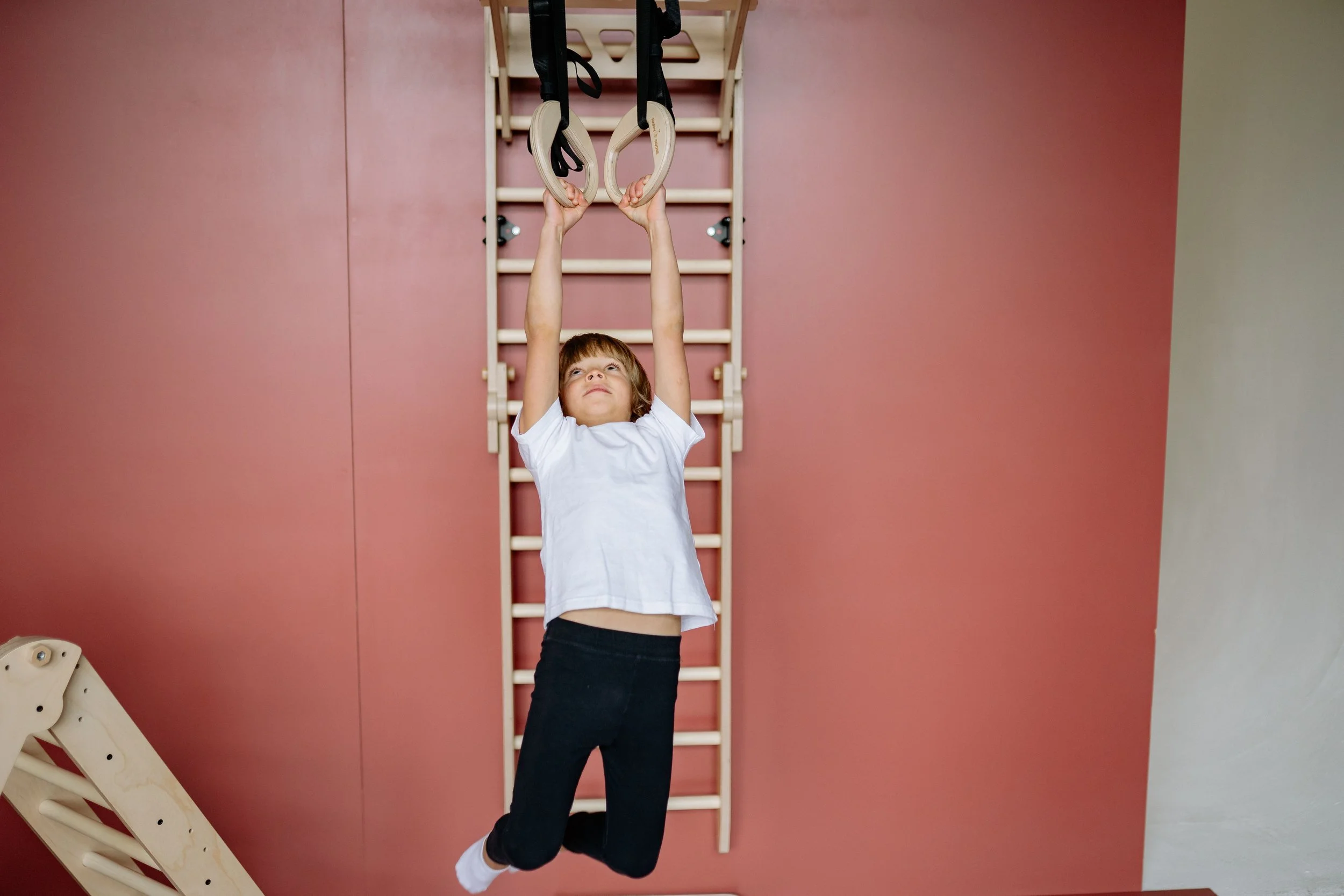
This does not need to be weightlifting - for kids activities such as carry heavy bags, climbing stairs and hills, riding a bike on a high gear, or going rock climbing act as strengthening activities.
What type of strength training should kids do?
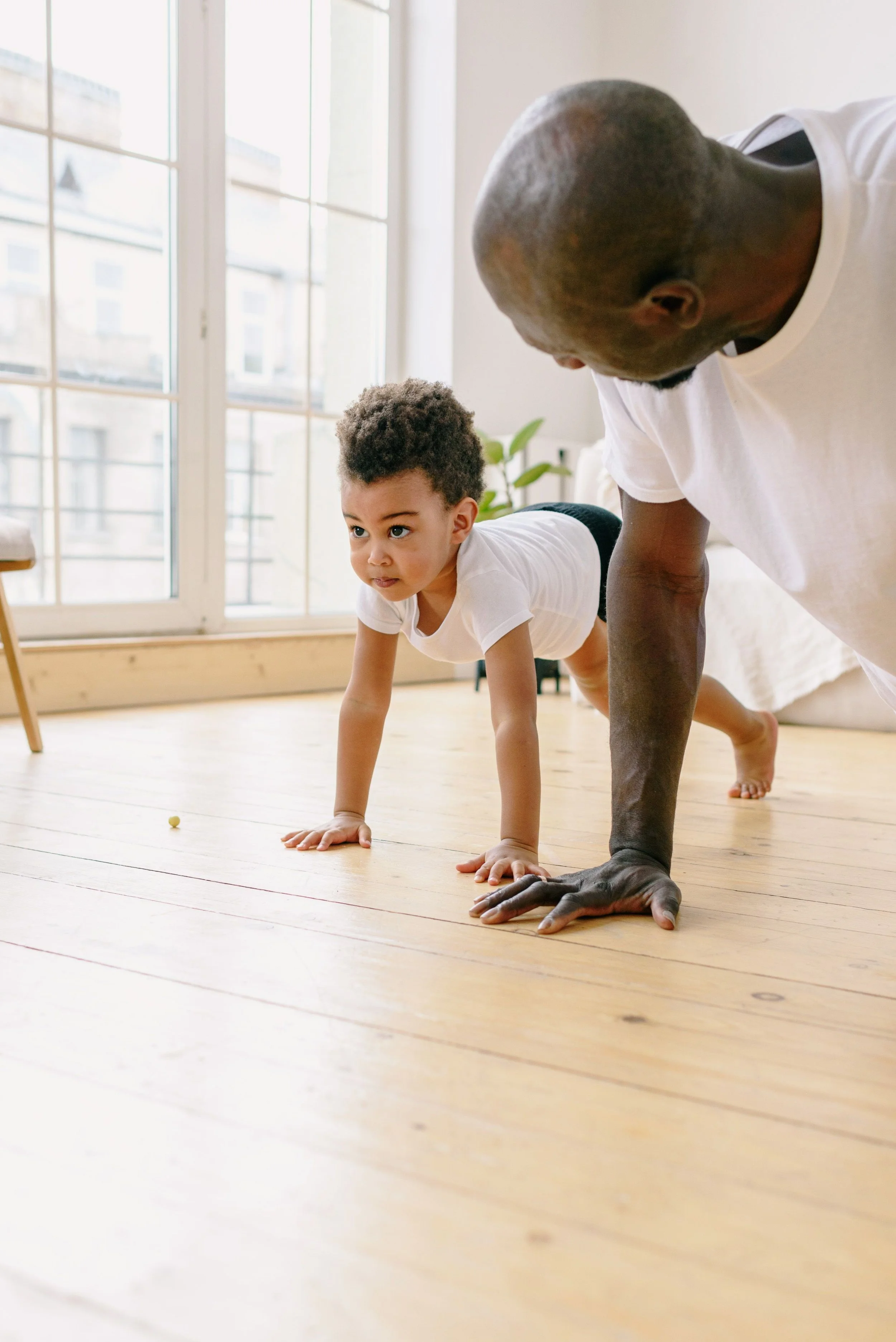
It is recommended that young people participate in muscle strengthening activities at least 3 times per week. This includes targeted strength training such as squats, push-ups and weights, but also jumping, climbing, pulling and carrying.
It is recommended that kids are supervised when performing strength activities so that you can ensure that they choose an appropriate load and perform the activities correctly. In fact, the main safety challenges with strength training for kids are the same for all of us - using improper technique, not being adequately prepared for the activity or biting off more than we can chew! Most forms of strength training are safe when supervised and the intensity is appropriate for the child’s age, strength, understanding and knowledge.

Why is it so important?
Research shows that for both males and females, muscle and bone mass rise steadily during childhood and adolescence, peaking in the 20s and then falling from age 30. This means that there is a critical window to build muscle and bone that will set kids up for life. If bone mass reduces by roughly 0.5-1% per year from age 30, most women will lose up 30-40% of their bone mass as their age, and men at least 20%! This means that without building appropriate bone and muscle during youth, many are at high risk of osteopenia and osteoporosis, limited mobility and frailty.
In addition, we know that there are significant benefits to muscle mass, not just for strength and endurance but a variety of other domains, including:
Increased metabolism and blood glucose control, reducing the risk of diabetes
Improved immune function due to amino acid reserve, acting as a backup for your immune system
Mobility, independence and autonomy - having the skills, flexibility and strength to do the things you want to do.
Coordination - increased muscle mass is associated with improvements in motor performance
A significant correlation with higher muscle mass and strength and reduced likelihood of depression and anxiety
Increases in energy and mood associated with more active body mass
Put simply - muscle and bone mass is excellent, and we should all aspire to get more!
What should I do if I am unsure?
It’s ok to be unsure. In fact, trepidation with anything you read online is healthy and shows that you are invested in your child’s wellbeing.
Exercise physiologists are university-trained professionals who know how to choose the best exercises and set them at an appropriate level for anyone to achieve their goals, regardless of health, age or disability.
As a paediatric exercise physiology, I look at three main factors before prescribing exercise:
What does the child and family already do, enjoy and know?
What is their understanding of their own body, coordination and current ability?
What do they want to achieve?
This approach enables me to understand where a family is currently with their lifestyle, interests and health knowledge, but also set reasonable, safe and approachable goals that feel possible, motivating and fun. Over the past decade of clinical practice I have used a variety of strategies, modalities and ideas to increase resistance activities for young people. This has included everything from heavy gym-based machines to bikes, balls and even my own body as resistance!
It is important to recognise that not all are ready, motivated or able to engage in gym and weight lifting style activities and tailor the prescription to the individual.
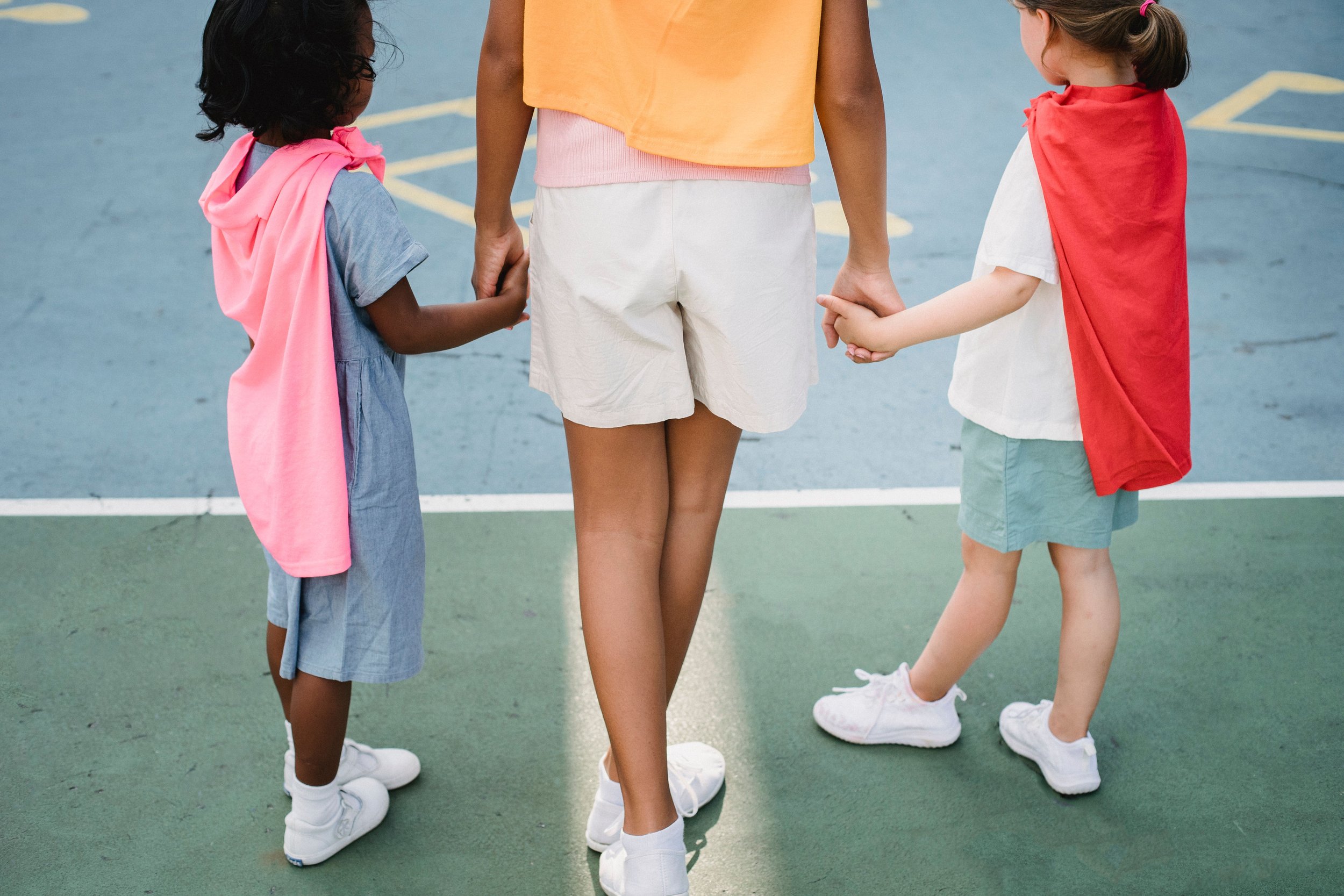
The safety of exercise comes down to supervision, and how appropriate it is for that child
If you are looking for an exercise physiologist in your area, you can find one on the Exercise & Sport Science Australia (ESSA) Website by clicking here.
You can also reach out to me! I would love to find a suitable solution for you so that you can enable your child to get the benefits of strength training.
So next time someone asks you if strength training is safe for kids, you can say:
Yes - it is safe and recommended
It does not have to be weight lifting - there are many age appropriate ways for kids to improve their strength
Supervision, intensity and exercise knowledge are the biggest predictors of safety
We all should participate in strength training to life strong, healthy lives
You can ask an exercise physiologist if you are ever unsure!
