

What is the Difference Between Exercise Physiology and Physiotherapy?
It is time I attempted to answer one of the most common questions I get asked as an Exercise Physiologist - “is that like a physio?”
Exercise Physiology - What is it?
Since I became accredited in 2017, the Exercise Physiology profession has grown exponentially, with the number of accredited professionals doubling in the last 10 years. Exercise and Sports Science Australia (ESSA) was founded in 1991, and in 2006 Exercise Physiology was recognised by Medicare as an allied health discipline with formal recognition to treat chronic conditions.
To achieve the title of Accredited Exercise Physiologist (AEP) you must attend a university with an accredited program for at least 4 years, with studies ranging from exercise science to clinical practice. While some 4 year Bachelor programs still exist, most AEPs have a postgraduate qualification. This means that we have spent several years studying anatomy, exercise principles and exercise prescription techniques, and learnt to apply this to clinical populations.
An AEP is a university qualified professional who specializes in the clinical prescription of exercise to support health and treat chronic diseases and disabilities.

why aren’t Exercise Physiologists in AHPRA?
AEPs are regulated by ESSA and not the Australian Health Practitioner Regulation Agency (AHPRA), and adhere to the standards set by the National Alliance of Self-Regulating Health Professions (NASRHP). AHPRA is a regulation agency that ensures public safety by making sure health professionals adhere to safety guidelines and keep clients safe.
AEPs are not part of AHPRA -this is not because they are not suitably qualified.
As per the Federal Goverment and AHPRA’s guidelines, Exercise Physiology is not included because:
There is low risk to the public - reviews indicate that Exercise Physiology does not generate high enough levels of death, injury or complaints to justify the cost of statutory registration.
Cost and burden - The cost of unnecessarily establishing a national registration burden would be a high financial burden for the government (and tax payers!) and the profession and provide little value to consumers
High degree of evidence and safety - there is a high level of scientific evidence and safety for exercise interventions that justify it’s implementation
Exercise Physiologists have to meet higher thresholds of accreditation - AEPs hold personal insurances, and spend nearly $1000 a year in accreditation and ongoing membership costs to maintain their status as professionals.
Put simply - AEPs do good, safe and effective work that is not worth our time or money to integrate into AHPRA.
how is that different to a physiotherapist?
This information is taken from the Australia Physiotherapy Association website - https://australian.physio/
Usually the next question I get asked is about Physiotherapy; this isn’t surprising, as Physiotherapy has been an established health profession in Australia for nearly 100 years. As per the Australian Physiotherapy Association (APA), Physiotherapy is “a clinical health science and profession that diagnoses, assesses, manages, and treats patients with movement and functional disorders.”
In Australia, most Physiotherapists hold a Bachelor of Physiotherapy, while some become qualified through postgraduate courses following other fields of study. As you may have gathered from the above definition, Physiotherapists have a more diverse skillset that includes diagnostic skills, as well as a variety of treatment modalities. In addition to prescribing exercise, Physiotherapists can diagnose musculoskeletal issues, and provide other types of therapeutic intervention such as manual therapy (hands-on treatment), prescription of equipment and mobility aids and sometimes specialise in other areas such as pelvic floor and continence, neurological injuries or surgical rehabilitation.
One of the key differences between Exercise Physiology and Physiotherapy is the treatment approach.
Due to their high level of diagnostic skills and scope of practice, Physiotherapists often approach treatment using a medical model:
Work with the patient to understand and identify the problem
Make a diagnosis
Prescribe treatment
This is of particular importance when working in acute settings - including in hospitals and inpatient settings, following an acute injury or for surgical rehabilitation. I have (and continue to) worked with a Physiotherapist when I was acutely disabled following an neurological injury, requiring rehab from a basketball injury, or recovering from a shoulder reconstruction.
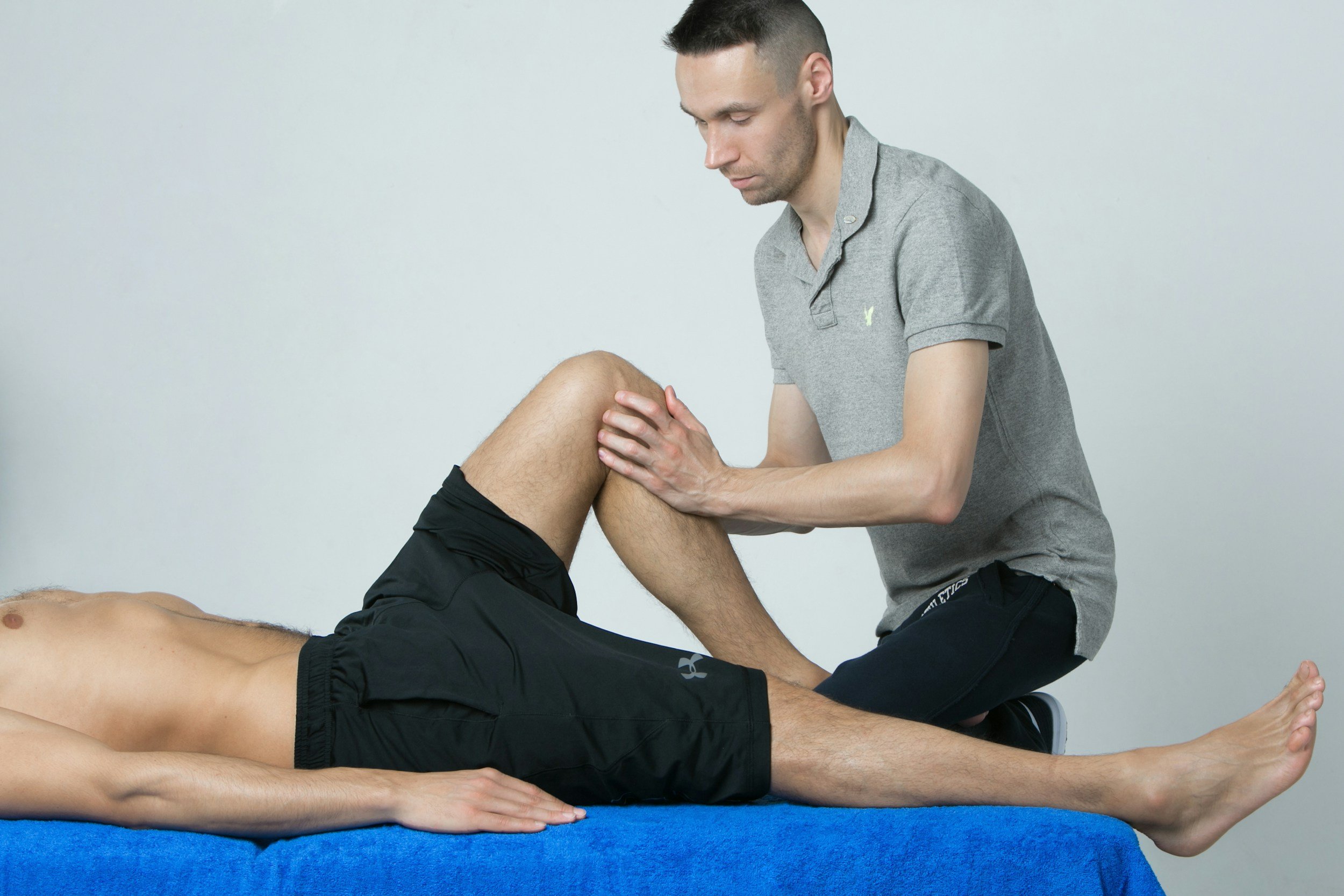
Physiotherapists have excellent acute management skills that allow them to identify problems and prescribe solutions.
On the other hand, Exercise Physiologists often use a biopsychosocial approach. Due to their scope of practice, AEPs focus on chronic conditions such as chronic disease or disabilities that require long-term management. This typically involves:
Understanding the client’s health condition, life and personal situation (including beliefs, values, motivation and confidence)
Using a structured goal-setting approach to assess their function and understand what they want to improve/achieve
Prescribing clinically dosed exercise to support them to achieve their goals (exercise that is personal, effective and safe)
This approach is because with chronic disease and disability, a) the condition is already diagnosed and past the acute point of care, b) is never going away and c) the client needs to build their self-efficacy so that they can build their independence.

Exercise Physiologists use advanced exercise knowledge to apply movement your life so you can make lifelong changes.
Put simply:
Exercise Physiologists spend a lot of time studying exercise and the human response to it, and are experts in exercise prescription. They do not diagnose conditions or provide manual therapy.
Physiotherapists spend a lot of time studying the body, it’s systems and how to diagnose problems and prescribe solutions.
Both professions have an important role in supporting health and wellbeing
It is also important to note that this distinction is based on general, professional scope and many AEPs and Physiotherapists use different methods and have highly niche skills and interests. For example, you wouldn’t expect a continence physiotherapist working in aged care to have the same skills as an AFL Physio! Often it is more about the person, than the title - find someone suitably qualified who supports you well and stick with them!
I have spent my career (so far), specialising in the clinical use of exercise to support neurodevelopmental conditions. This means that I use movement and exercise to improve function, skills, confidence and quality of life for autistic and neurodivergent people by considering their unique perspective and tailoring exercise to their needs.
This means that I have a very different skillset to most AEPs! In fact, I recommend my friends and family work with someone else, who specialise in other areas that match their needs.
You can find an Exercise Physiologist here - https://www.essa.org.au/Web/Web/Member-location-search.aspx
You can find a Physiotherapist here - https://choose.physio/find-a-physio
If you are unsure of who to see, please ask - both professions have a unique offering and can work together to support you to achieve your best health.
