

Your Goal or Theirs?
Working in paediatrics has always been a deep passion of mine. As a child I loved sports, but wasn’t very good at them; I was clumsy, tall, awkward, and I found it challenging. Once I found people who had flexible, patient approaches, I flourished, and had the opportunity to play sports at a high level, as well as for fun! Even today (after many injuries!), I exercise every day - simply because it brings me joy and improves my life. This planted the seed for a passion with supporting other kids to love physical activity, especially those that face additional barriers to participation.
As I teach in my coaching sessions with other allied health professionals, when you work with a child you have two clients: the kid, and their parents.
Both parties want the same overarching thing - for the young person to enjoy movement and have a happy fulfilling life, but rarely do they have the same idea of how to get there! This is a key challenge in working within a goals-based funding model such as the NDIS. The goals are often set at a general, high level, and without the child present. I mean really - how many children want to “improve their fine and gross motor skills” or “increase their access to the community”? Often the key challenge is getting to the bottom of why you’re there, who asked you to be, and what the desired end result really is.
I once worked with a young boy (let’s call him H), who scored poorly on a standardized movement assessment - the 2nd percentile, and had a goal of “increasing his gross motor skills and independence”. His parents were worried; they were avid exercisers themselves, and thought he was going to get “left behind”. They wanted him to have tailored exercise therapy to improve his skills overall and improve his motor performance closer to that of his peers.
Once I met H, I realized that this was not in his best interest - he wanted something different.
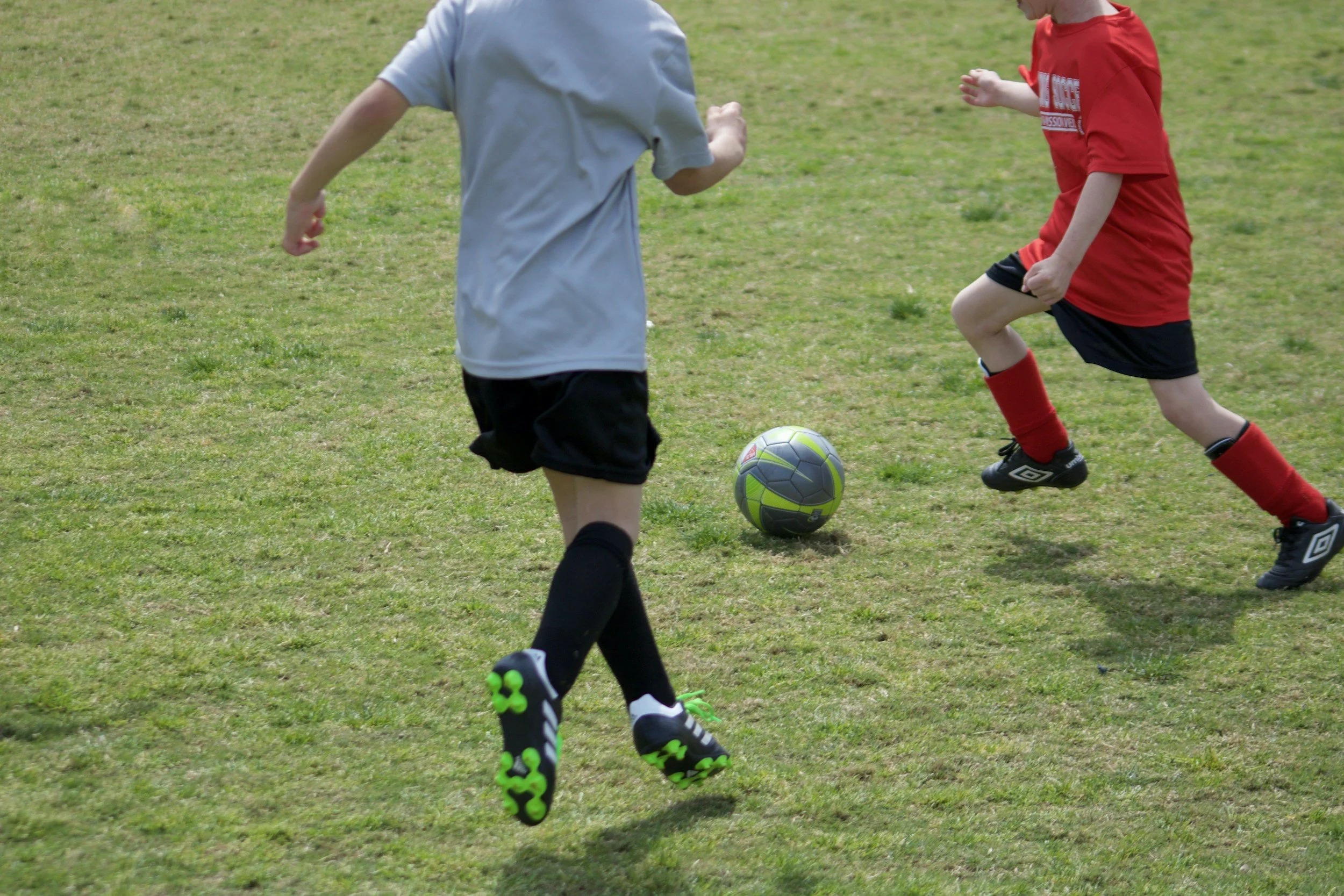
“Everyone at school plays soccer every day, and I don’t get the rules at all. They always make me goalkeeper because I don’t understand, or worse they don’t let me play. I just want to have a chance to kick a goal like everyone else”.
I realized quickly that the barriers to participation had nothing to do with his gross motor skills, and everything to do with his neurodivergence and the “hidden curriculum” of the schoolyard. In many areas of life, there is a subtext, or set of unspoken rules that are assumed as knowledge (the hidden curriculum). Many autistic people find this very frustrating (and rightly so) - just say what you want me to know! Sports are full of these “hidden rules” and expectations.
For example, while not illegal in basketball, it’s no recommended to stand in front of the hoop the whole game, you are expected to match up and play defense on someone on the opposing team. I once had a kid very honestly ask me, “but won’t they always come here to shoot the ball anyway?”. Sports are full of concrete rules, but also these hidden strategic rules, and children are expected to pick them up. Given that play-based activity and outdoor recreation is at an all-time low, sports at school is often the primary way children get physical activity. It is therefore important that we give them the skills to participate - including understanding the state of play, and not just the skills required.
So when H told me his story of soccer, I asked him three questions:
Do you like playing soccer?
What would make it more fun?
What would you like to happen?
By asking these questions, I was able to find the child’s goal - to be included.
Sometimes, when setting measurable, realistic therapy goals we need to consider the interests of both of our clients - the parents and the child, and advocate for the best outcome. By asking H what he wanted, we may end up at the same place, but we have done something very important - considered what he wants for his life.
In the end, we set the following goal “H will develop the skills and knowledge to play on the field at soccer and participate in a goal for his team"“.
Both H and his parents were excited, and we were them able to set some targets that worked towards this goal. H and I worked together to understand the rules, built his confidence, and get him out of the bleachers and onto the turf.
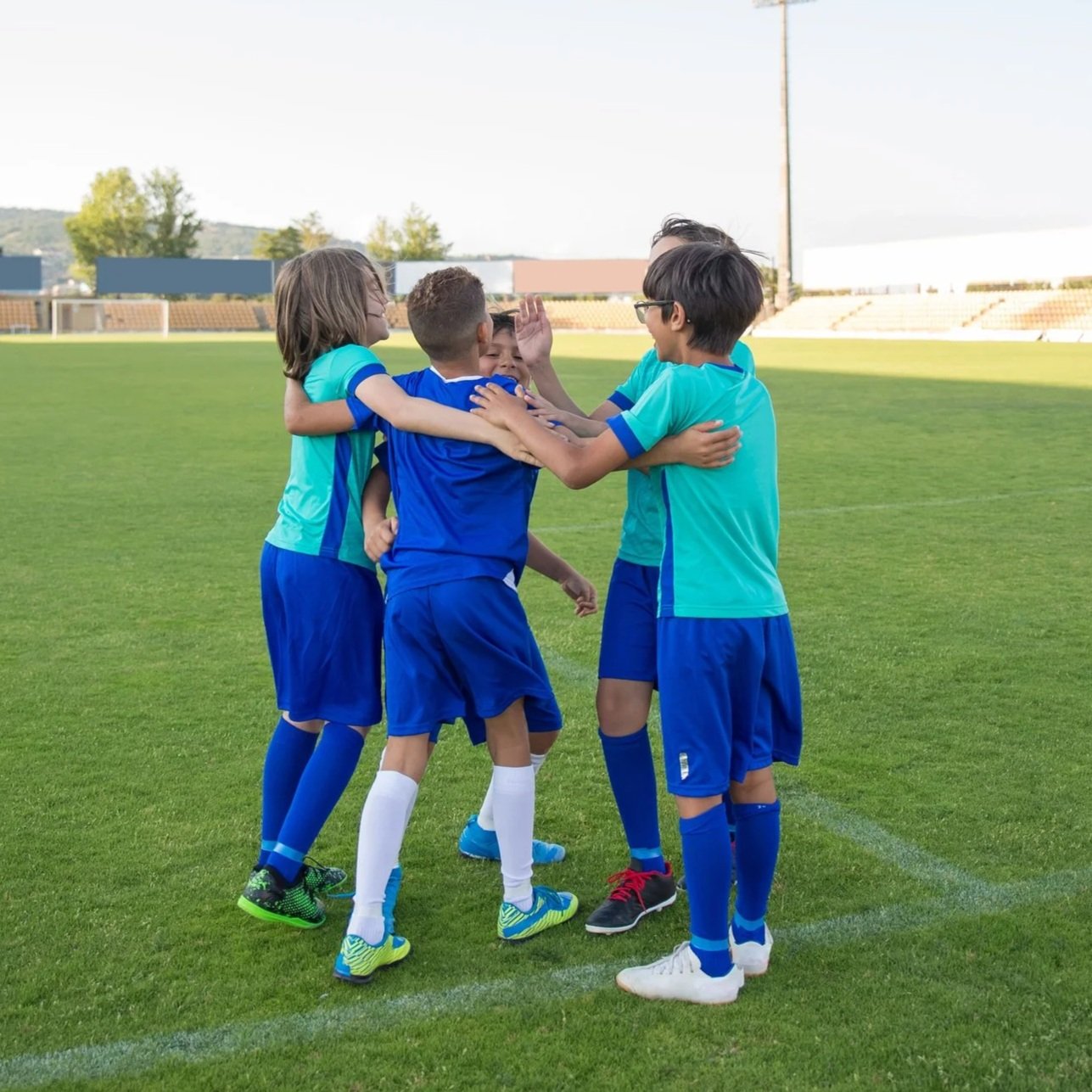
When the goal is participation, sometimes we have to look beyond the skills and develop motivation, confidence and knowledge first.
Autistic kids want what all kids want - to be successful and included in things they love.
Next time you are sitting down to discuss goals for a child, whether it be at school, in a therapy session or on the sporting pitch, consider one more thing -
Is it the child’s goal, or yours?
When we advocate for the child, we not only nurture their autonomy over their own life, but discover opportunities, goals and interests below the surface we never knew were there.
If you would like to find out more about goal-setting, my teaching approach or the services I offer - please reach out to me by clicking the button below.
