
Learning to Ride a Bicycle
Riding a bicycle is widely considered an occupation of childhood, and an influential milestone in building independence. Learning to ride a bicycle is often considered a rite of passage as it provides the framework for learning many skills. While there are several ways to build the physical tools to ride a bicycle, research into skills such as bicycle riding suggests that the greatest performance benefits come from practising the skill itself (Law, 2002). For example, developing gross motor skills, lower limb strength, balance and multi-limb coordination are important when teaching bicycle riding, however the central point of intervention should be riding a bicycle!
Despite, this when I tell most people that, they typically look at me with a disappointed look. This is because when I am working with a family on this goal they usually have already tried and failed for one of the following reasons:
They tried, didn’t succeed, experienced tears and fear and didn’t try again
It feels like they “missed the window” and now it will be too hard
They have tried to teach their child but it ended in a lot of frustration and dysregulation (for all involved)
So what to do next?
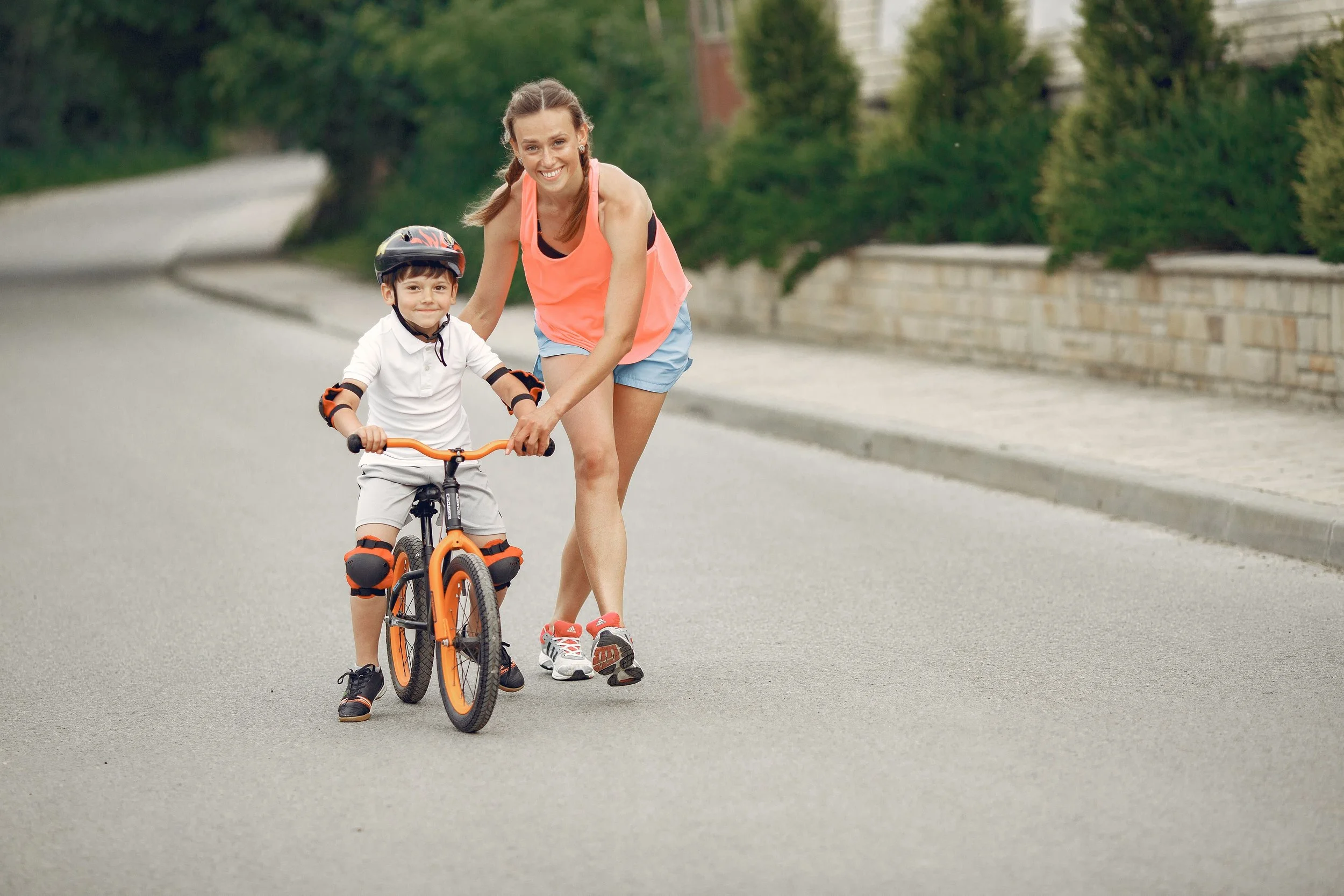
Learning to ride a bicycle is one of the most common goals I have experienced as an Exercise Physiologist working with young people. It is a complex task that requires several skills in harmony to be performed. I have taught 60+ kids to ride a bicycle, despite being an average rider myself, and these are some of the key pillars I have used. To be clear, there is no magic bullet, or one way of learning, but I hope this gives you a starting point for a “training program” that can build you and your child’s confidence on a bicycle.
Riding a bicycle is a complex task that requires the learning and synthesis of several skills, including:
Dynamic balance: A bicycle has a very narrow base of support (the width of a wheel!) and therefore requires dynamic balance and postural control to maintain an upright posture
Dual tasking: Riding a bicycle requires us to use our lower limb to dynamically balance and self-propel the bicycle, while using our upper limbs to steer and navigate our environment
Object control skills: Ability to coordinate and control and object (bicycle) through space
Lower limb strength: Ability to generate enough force, and equal force to propel a bicycle in a dynamic environment
Proprioception: Riding a bicycle requires knowledge of body position in space
It is important that we consider all these skills and identify any potential areas for development prior to engaging in a bicycle riding intervention. If a child does not have the balance or strength to stand independently, then they are unlikely to be able to balance a bicycle without modifications. Additionally, if a child is unable to perform each task of bicycle riding in isolation, they will struggle to perform two tasks at the same time. We therefore must consider a skill progression that enables a child to develop skills in a progressive manner to optimise progress and maintain self-efficacy towards the task. For example, if a participant is unable to perform an upper limb task and a lower limb task at the same time, they will find it very difficult to combine pedalling and steering!
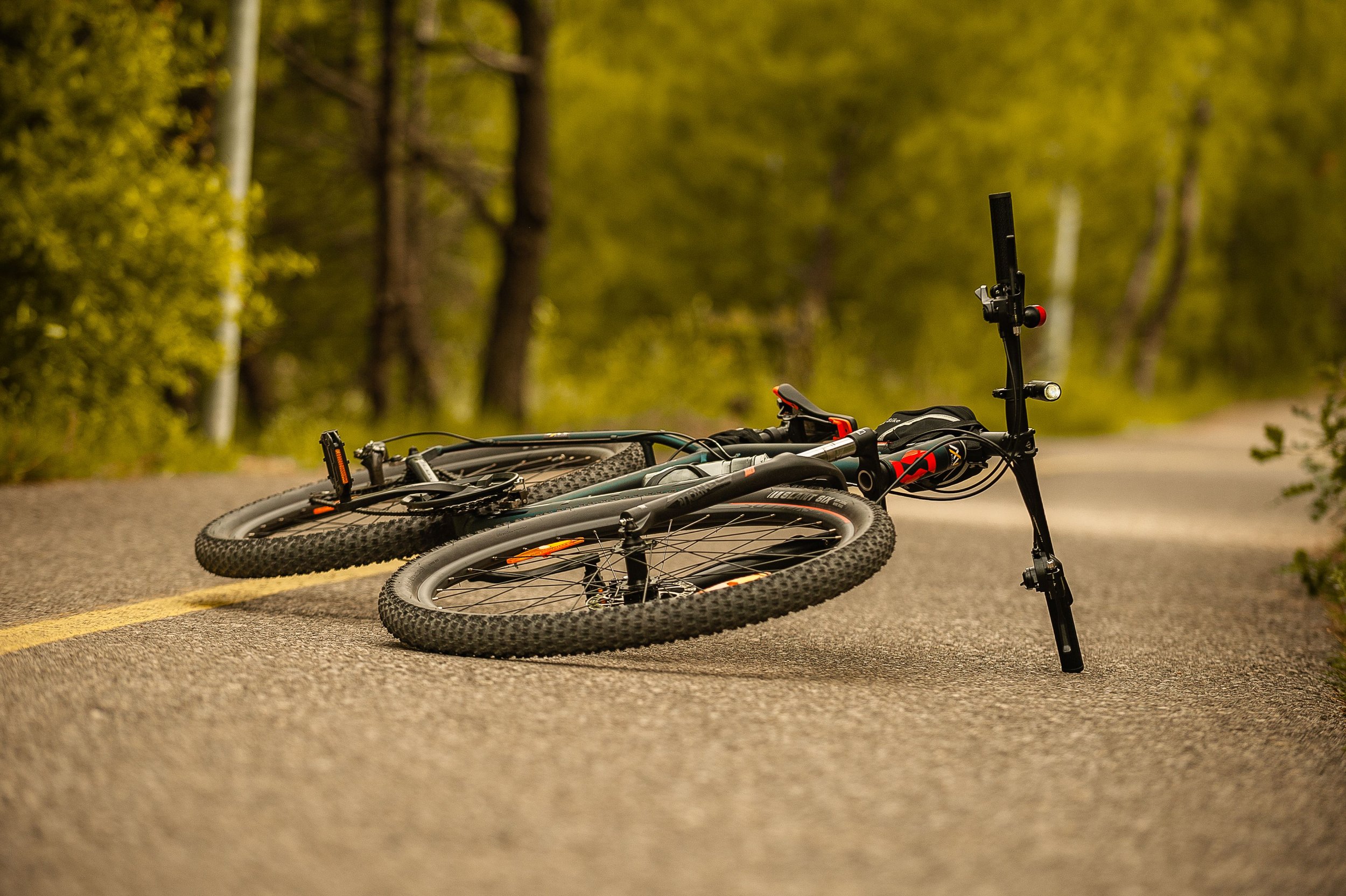
Another common challenge with riding a bicycle is related to proprioception. Many people with disability have poor awareness of their body position in space, which leads them to make over corrections/large errors that make learning to ride a bicycle challenging. It is important that our intervention incorporates a combination of skill and strength-based activities, in tandem with bicycle riding lessons.
Activities/exercises that support bike riding skills can be split into four categories:
Baseline strength, balance, and coordination
Lower limb strength to propel pedals
Dynamic and static balance to maintain stability
Dual tasking (ability to perform two separate tasks at once) e.g., steering handlebars while maintaining pedal rhythm
Early riding skills (safety on bicycle) including starting and stopping
Initiating movement
Using brakes to slow down/stop
Dismounting
Power and force control
Building speed
Increasing power for uphill sections
Controlling force on each pedal to maintain stability
Dynamic skills (e.g., responding to hazards, navigating routes)
Turning to avoid obstacles
Responding to traffic conditions
Learning routes (e.g., to school)
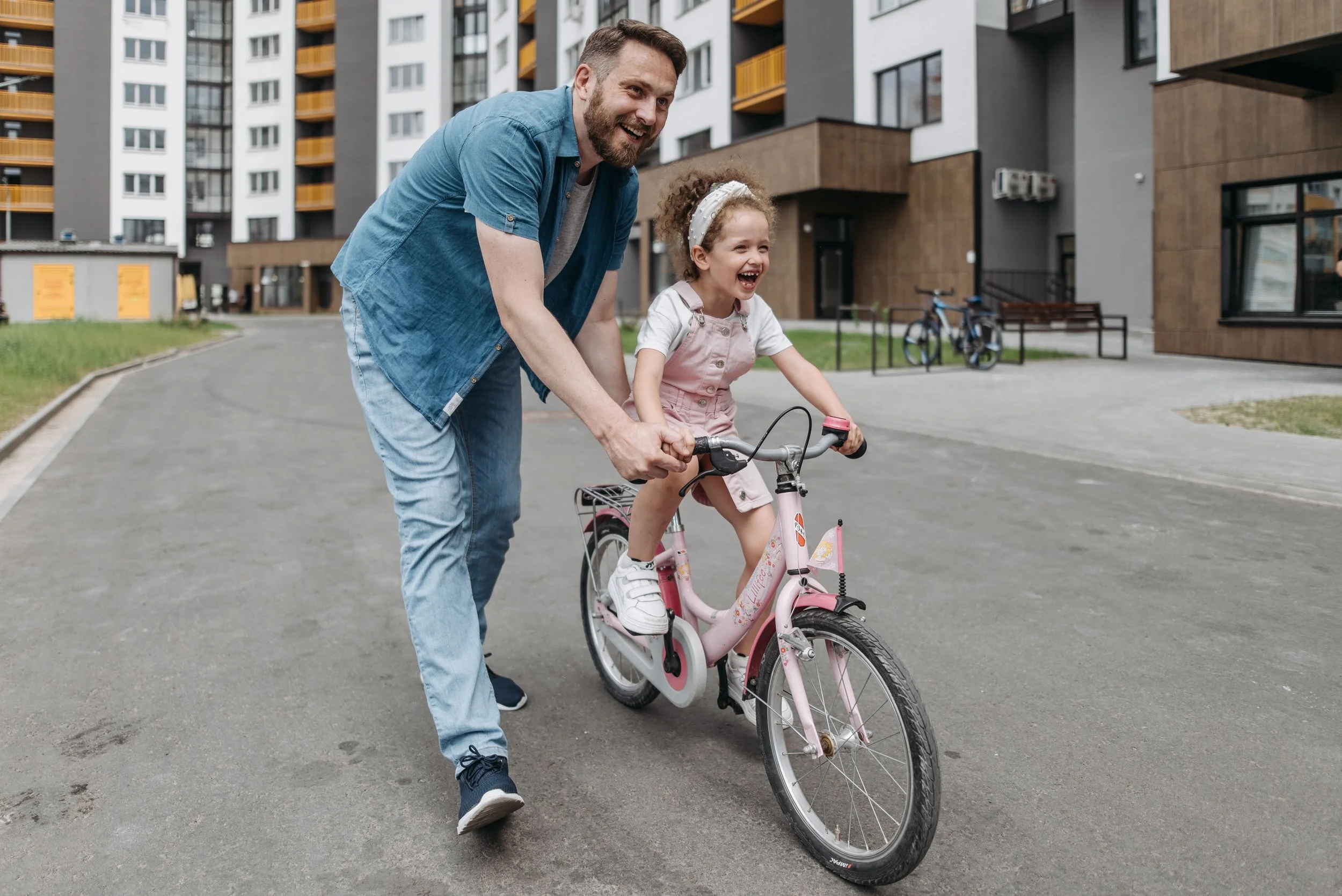
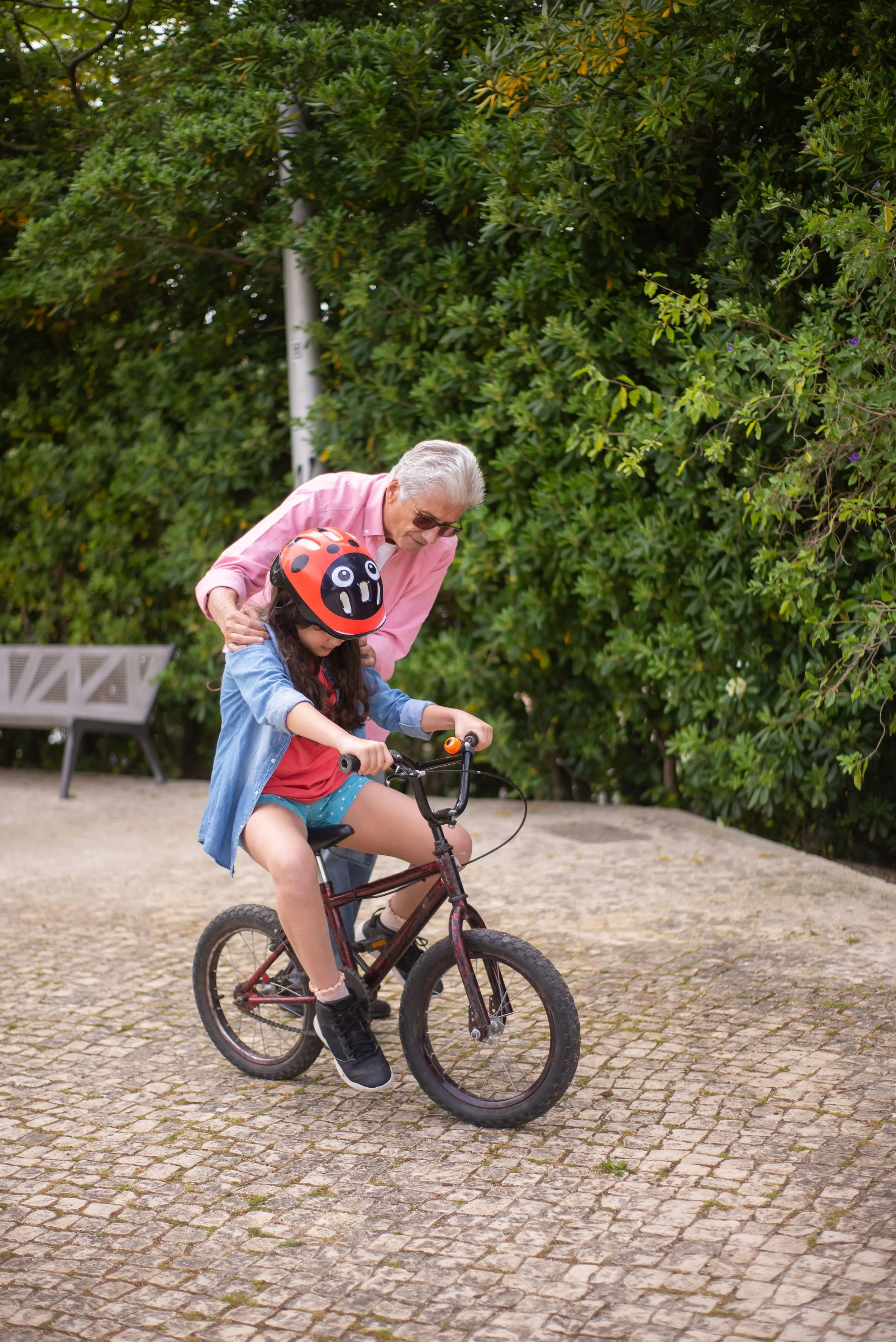
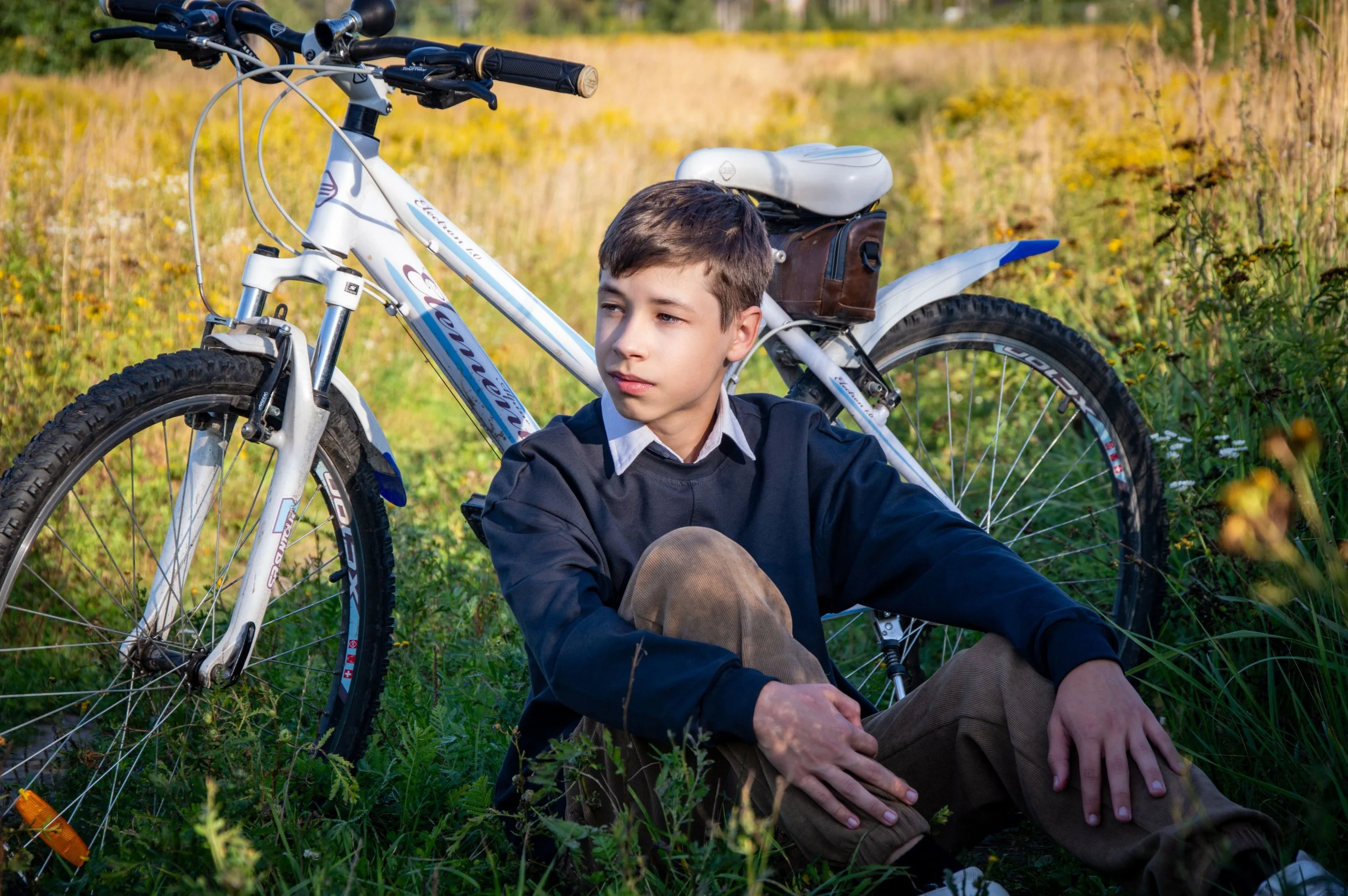
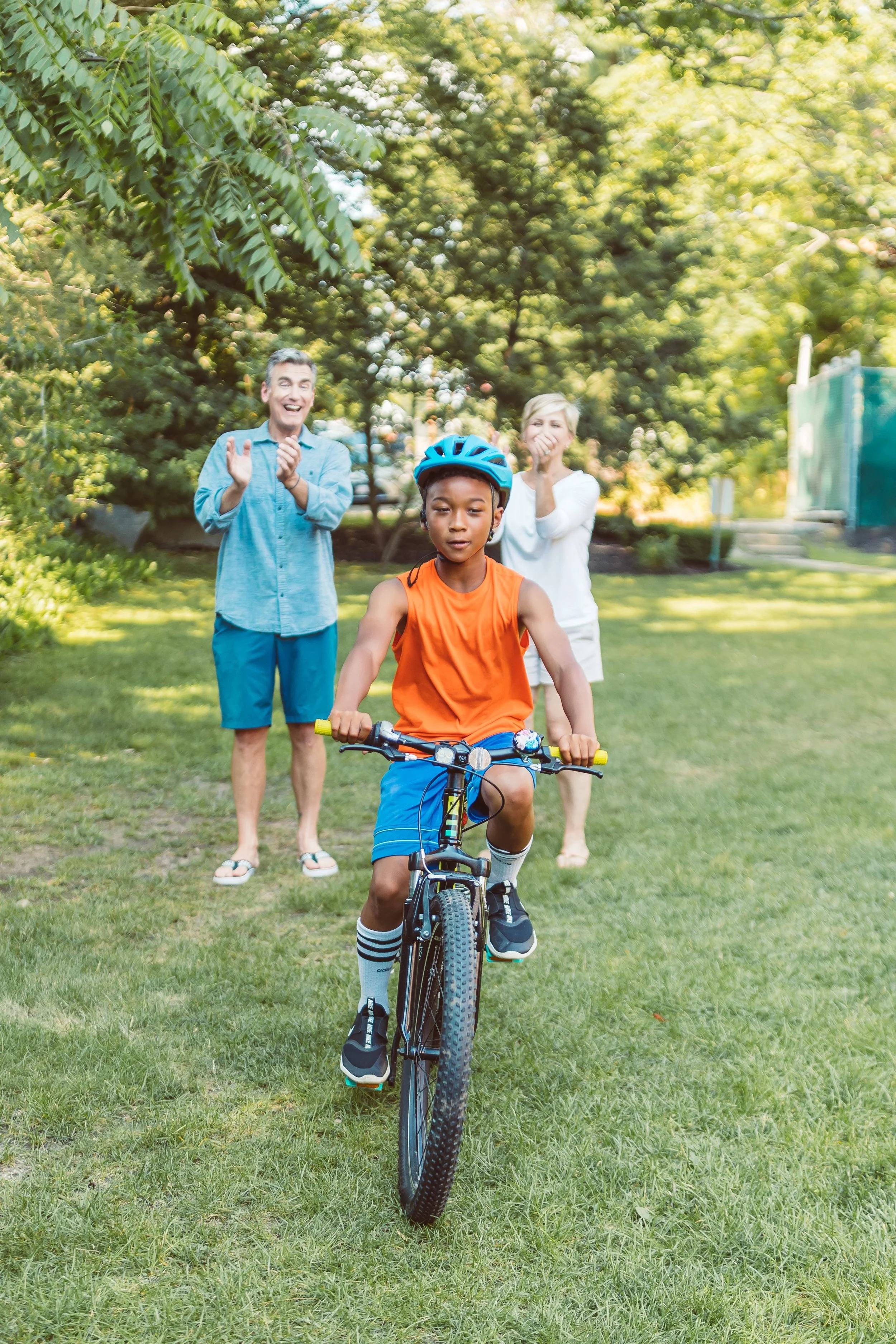
Learning to ride a bicycle is not easy, nor is teaching it (especially to someone in your own family). Some key measures for success include:
Have a clear mindset - a frustrated adult creates a frustrated child!
Have a goal and make sure your child understands what a good job looks like. It is important to have goals for practice so you can identify the small steps they are making towards independence on a bike. If we make success a yes/no outcome then we don’t know if we are making process, and often repeat the same mistakes.
Recognise if your child is ready. Often your child is simply not ready due to fear, shame or a lack of baseline strength and skills. Whenever I get to the riding skills step, I ask the child “are you ready to ride a bike today?”. If they say no, I respect this and work on different skills on and off the bike.
Embrace failure - the only way we learn is through practice. This means that your child will fall. Create a safe environment for this failure to happen - make sure they have safety equipment, practice on soft terrain in early stages, and be there for them, with a calm and supportive manner.
Have a dedicated practice period. Bicycle riding is what I often call a “momentum skill”. This means that practicing once a month for a year is unlikely to yield results. A targeted period with regular practice allows your child to build momentum and learn from their recent experiences. I often target a school holidays for intensive practice, or a school term with nice weather and biweekly practice if time is scarce!
All of this information and more is in my soon to be released “Learning to Ride a Bike” Guide. If you would like to receive a copy when it is released, sign up to my newsletter! By signing up you will get first access to resources as they are made.
