

Movement Breaks : Ideas for Home and School
As childhood becomes more and more sedentary, children are getting few opportunities to move their bodies. This is largely due to what many describe as a “loss of unstructured play”. Most kids now have very little time playing outdoors, moving their body. This is largely due to two major factors: technology and the pandemic. A significant movement from outdoor play to screen-based activities became compounded during the COVID-19 pandemic, and we now see most children and teens spending the majority of their day sitting still, looking at a screen. At a time where cognitive demands for attention and cognition have never been higher, physical activity and movement are desperately needed.
A movement break is simple - stop what you’re doing, and move.
Aside from the importance of physical activity for health and wellbeing, movement breaks tackle another huge health, regulation and cognition killer - sedentary time. Separating physical activity or exercise from sedentary time can be a useful tool. Movement breaks don’t need to be structured, planned or particularly long. They simply need to allow a child to move their body - children (and all humans, in fact) are not made to sit still for hours at a time!
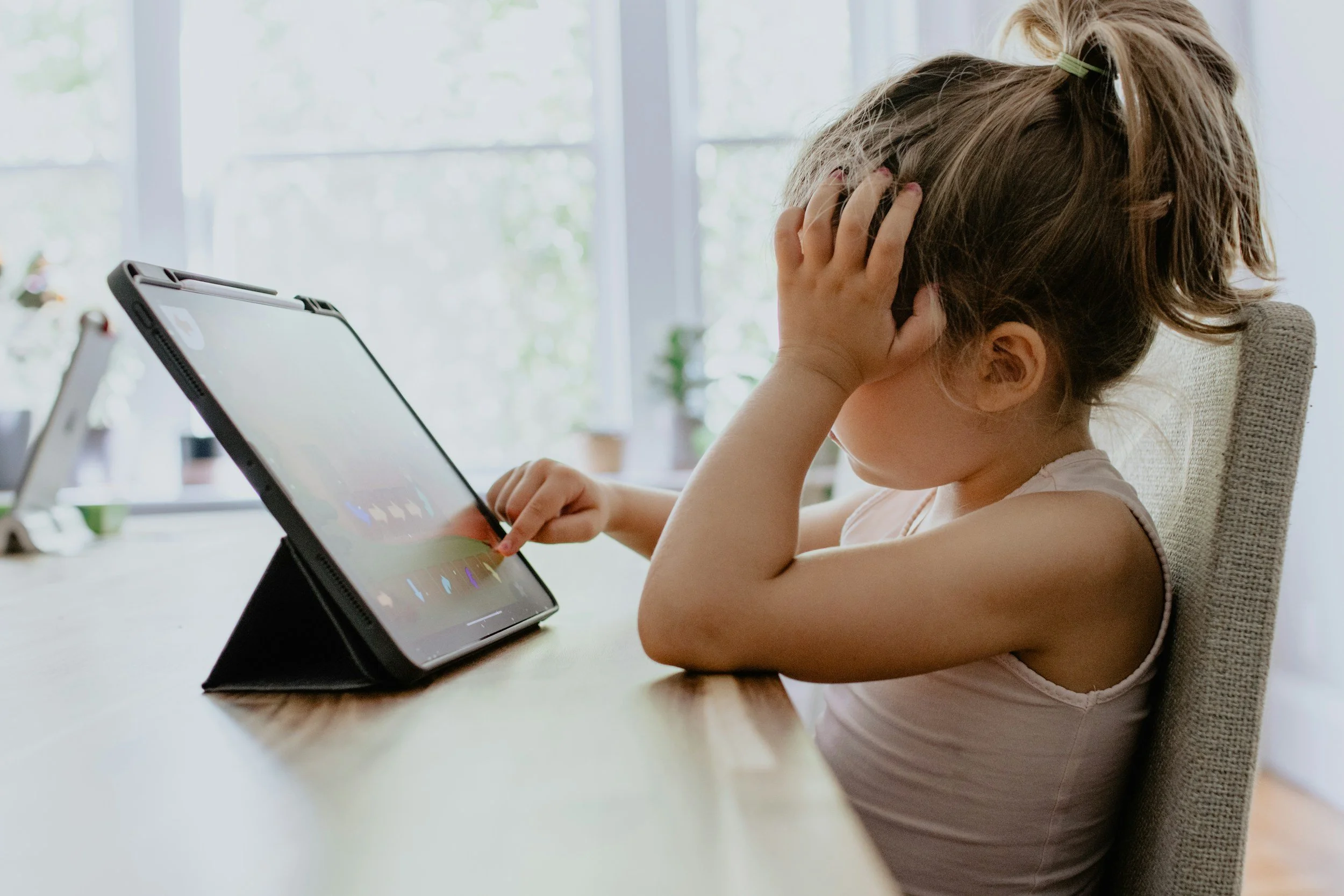
A sedentary childhood
Bodies are made to move! Long periods of sedentary time not only leads to poor health but also reduced cognition, attention and mood.
Movement breaks throughout the day provide several significant benefits:
A chance to move the body, use the muscles and reduce soreness, stiffness and improve blood flow for cognition
Emotional and sensory regulation - allowing for sensory integration and a change in stimulus to support regulation, grounding and concentration
Increased attention and cognition by an increase in blood flow to the prefrontal cortex
A boost in wellbeing, confidence and mood from an increase in dopamine, norepinephrine and serotonin
Opportunity to integrate learning with body-based activities
The goal of a movement break is not simple to “get the sillies out”, or “burn off some energy”. The goal is to create opportunities for movement that support the kids to participate, and succeed throughout the day.
Movement breaks can become particularly important for neurodivergent kids. A typical day for an autistic child includes a lot of cognitive and sensory demands from their environment. Short, planned movement times can allow for a) a change in sensory input, b) a break in demands, masking and social conditions, c) opportunity for predictability and control and d) positive, reliable transitions.
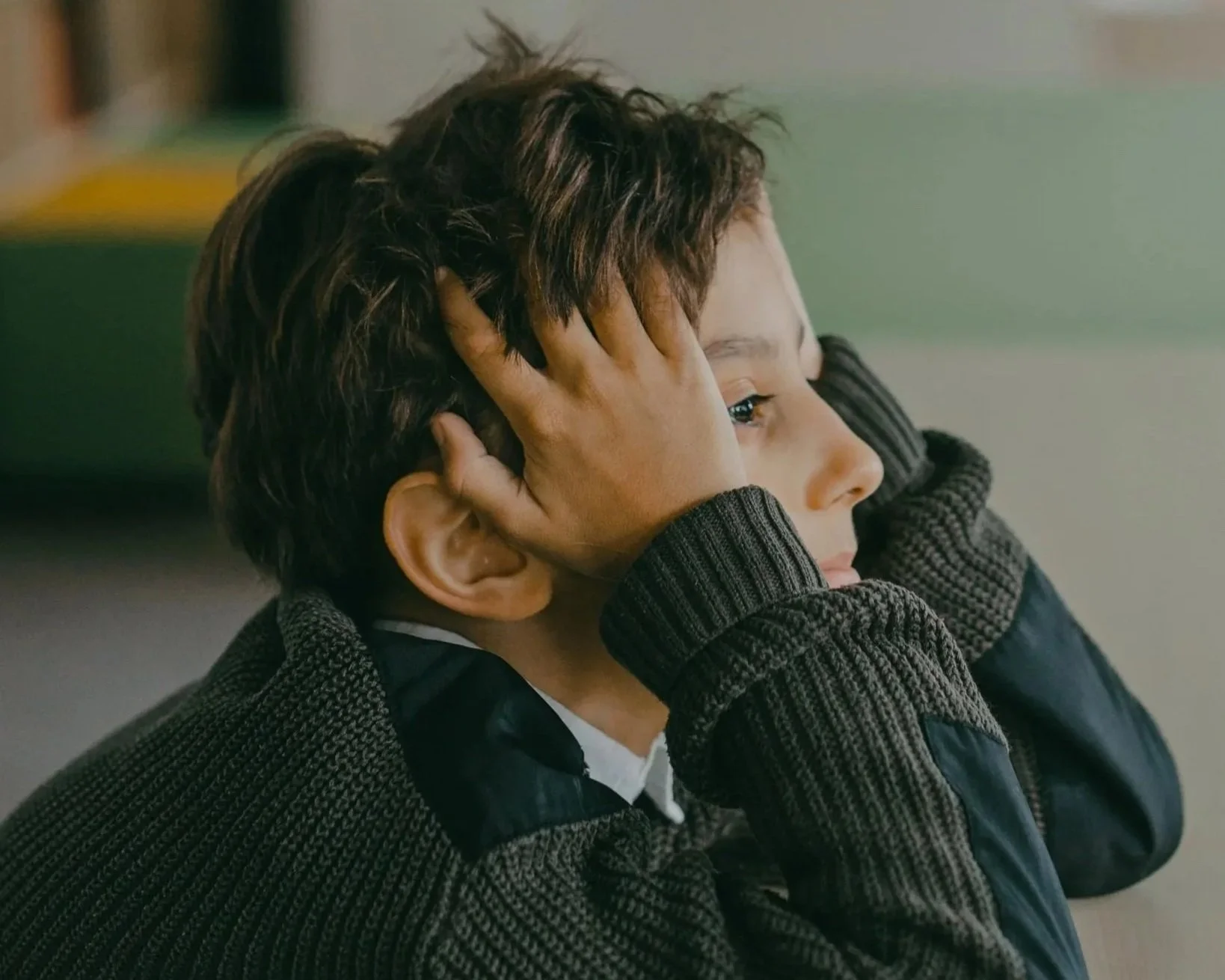
The classroom environment can be very demanding for neurodivergent kids.
So how do we make it happen?
Firstly, making time in a routine to include movement breaks is key for success. Whether it’s a busy weekend at home, or a packed curriculum at school, not allowing appropriate time for movement is a sure way to fail. Allow time as part of your day/lesson to include the movement as part of the activity.
At school, this could be using movement as part of the learning by integrating it into the lesson, or using it as a transition between tasks. It is also important to read the room - every child is different and sometimes an unplanned movement break is necessary to get the class back on track! Increased the amount of movement that students get in your class will not only help manage attention, behaviour and emotions but increase their ability to learn.
At home, consider movement a part of the day. Play a physical game before doing homework after dinner, go for a family walk before a social gathering, or stop at the playground before/after a shopping trip. Recognise where your child needs support and what type of movement they need - after all, regulation is more than a quiet space and noise-cancelling headphones. Regulation is allowing people to meet the needs of their nervous system (that’s why we have stimming!). Consider what your child does to regulate themselves and how you can meet that need with a movement break. This could be spinning, running, jumping or even laying down and squeezing themselves into a little ball! It is likely that you already know what sort of input they need.
Below are some examples of movement breaks that you could integrate into your day. It is important to recognize that no two people are the same and that individualizing the timing, activities and purpose is essential.
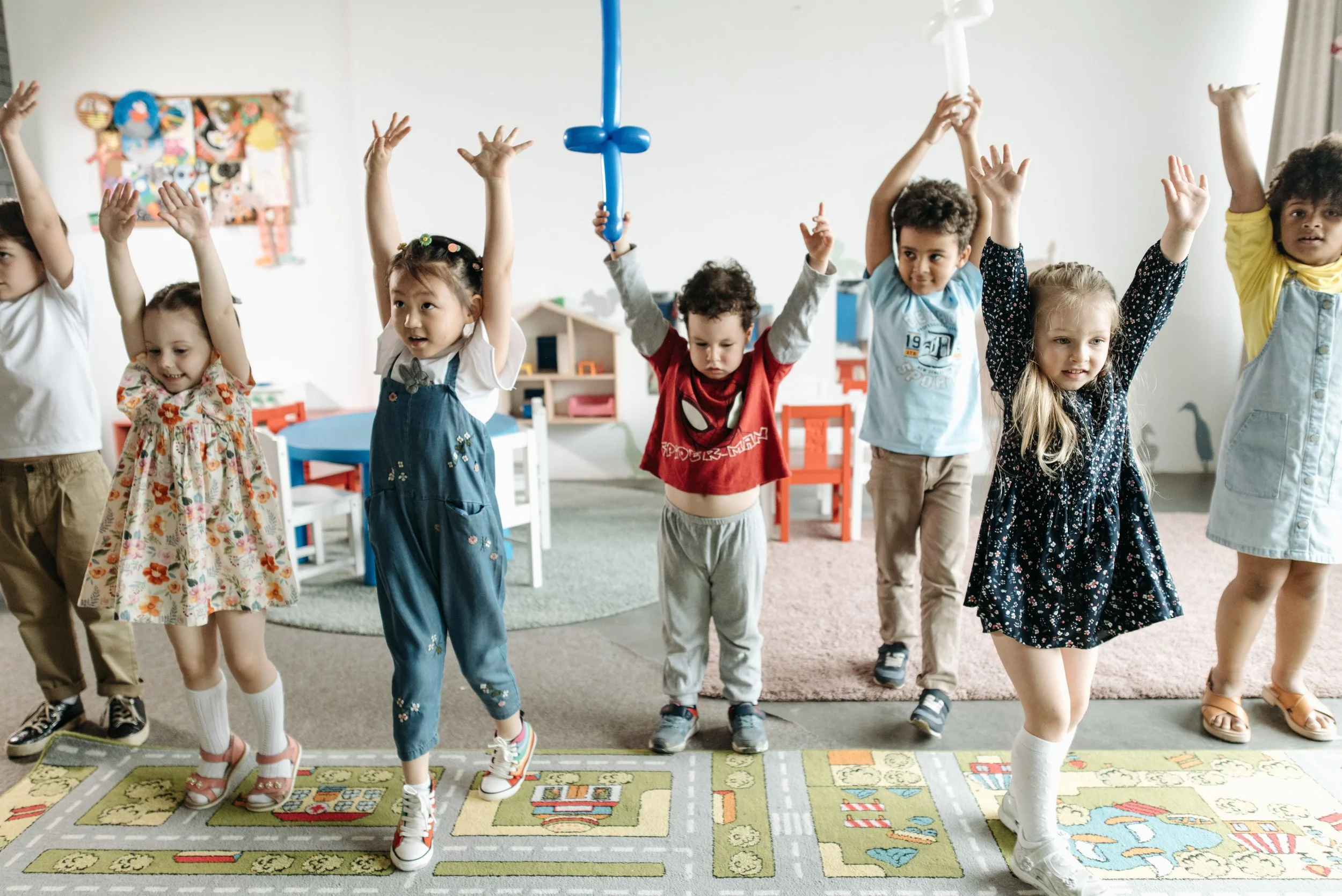
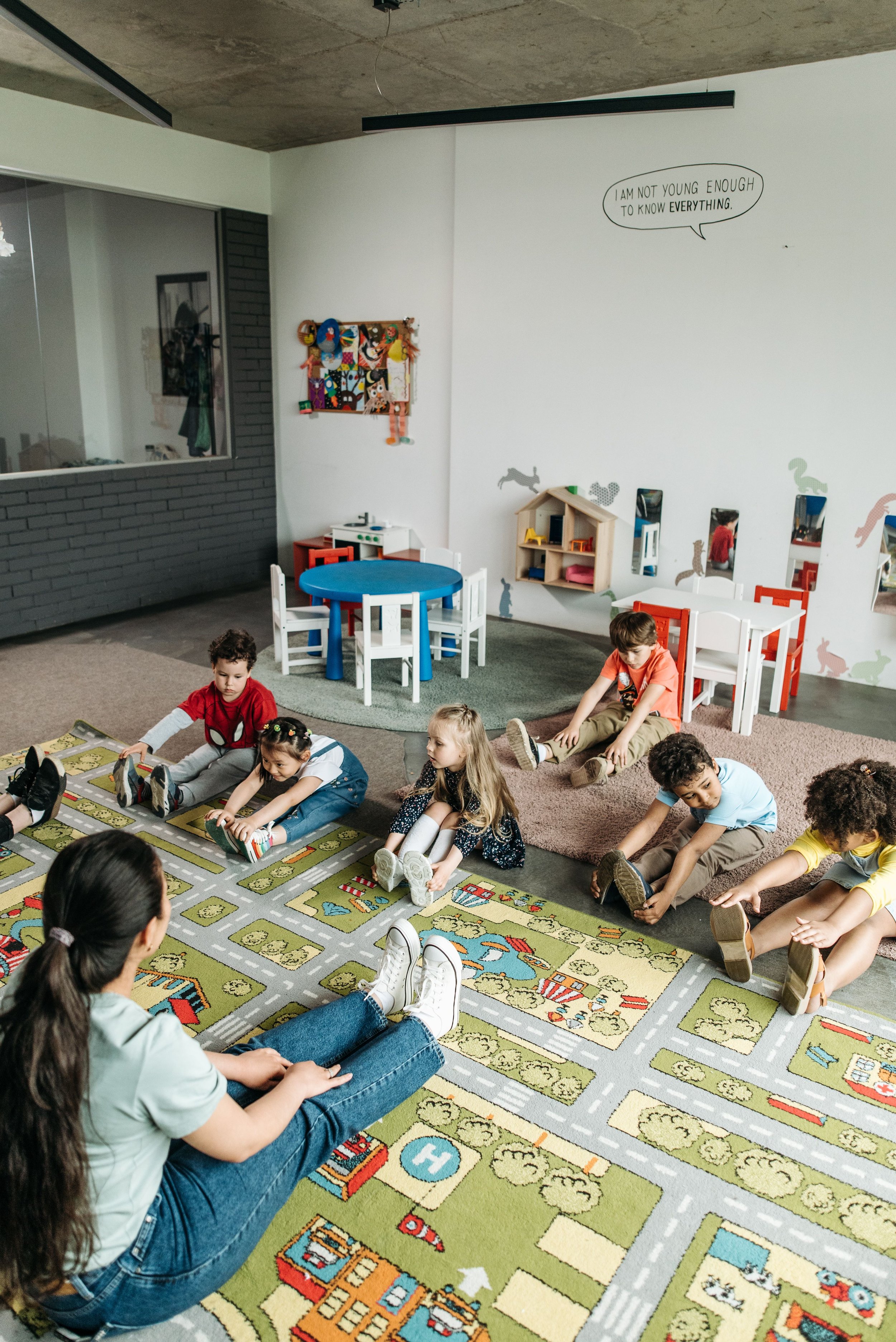
Ideas for School
Morning Fitness - more and more schools have begun to incorporate morning fitness into their school day. Beginning with some low demand, easy to start physical activity can set up the day for success and learning. If your school doesn’t do morning fitness, ask why! Become a leader and influence the other teachers to join in - every kid that isn’t in your class will ask, “why do they get to play outside and we don’t?”. Starting a trend of movement in the morning can be a great way to add physical activity and regulation into the school day.
Stand Up Lessons - incorporate learning of key concepts with movement! Allow children to make their bodies into letters, graphs, numbers and shapes. Play running dictation or relays where kids move across the classroom in teams to relay information, add information to the board, or collect resources for the next activity.
Movement Feedback - instead of asking the whole class a question or asking for raised hands, consider other ways you can poll the room. For example, “ Reach for the roof on your tip toes for yes, and squat down like a frog for no”. This can be an effective way of giving kids a chance to show what they understand and include movement in the lesson.
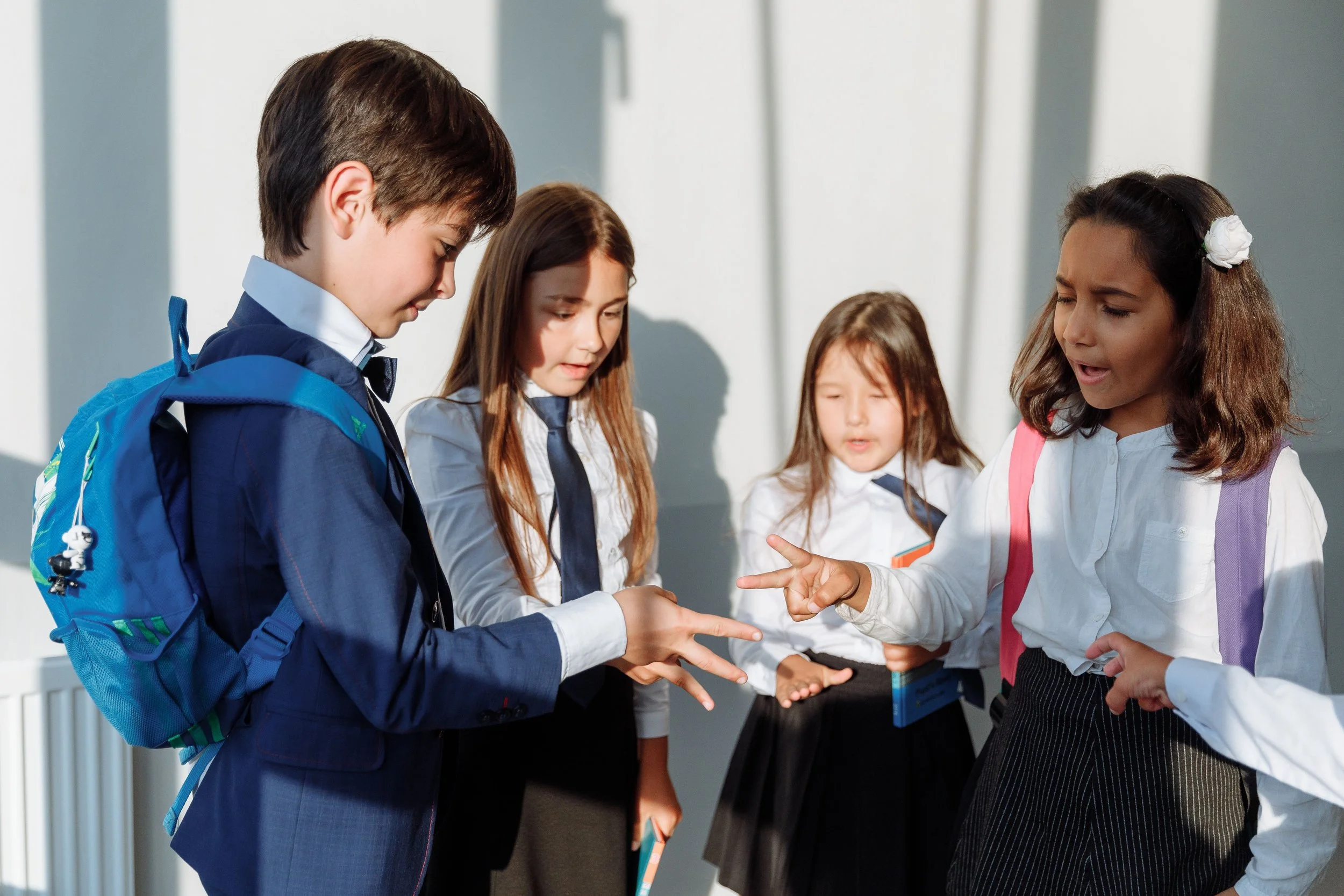
Transition activities - use movements at the desk to transition between tasks. This can be particularly useful for neurodivergent kids, where transitioning from a deep focus or preferred task to a non-preferred task can feel like being thrown off a cliff! Create some stairs between the tasks by using a familiar movement activity. This can be simple like Simon Says, Heads or Tails, or even a Rock Paper Scissors competition with a child on the other side of the room!
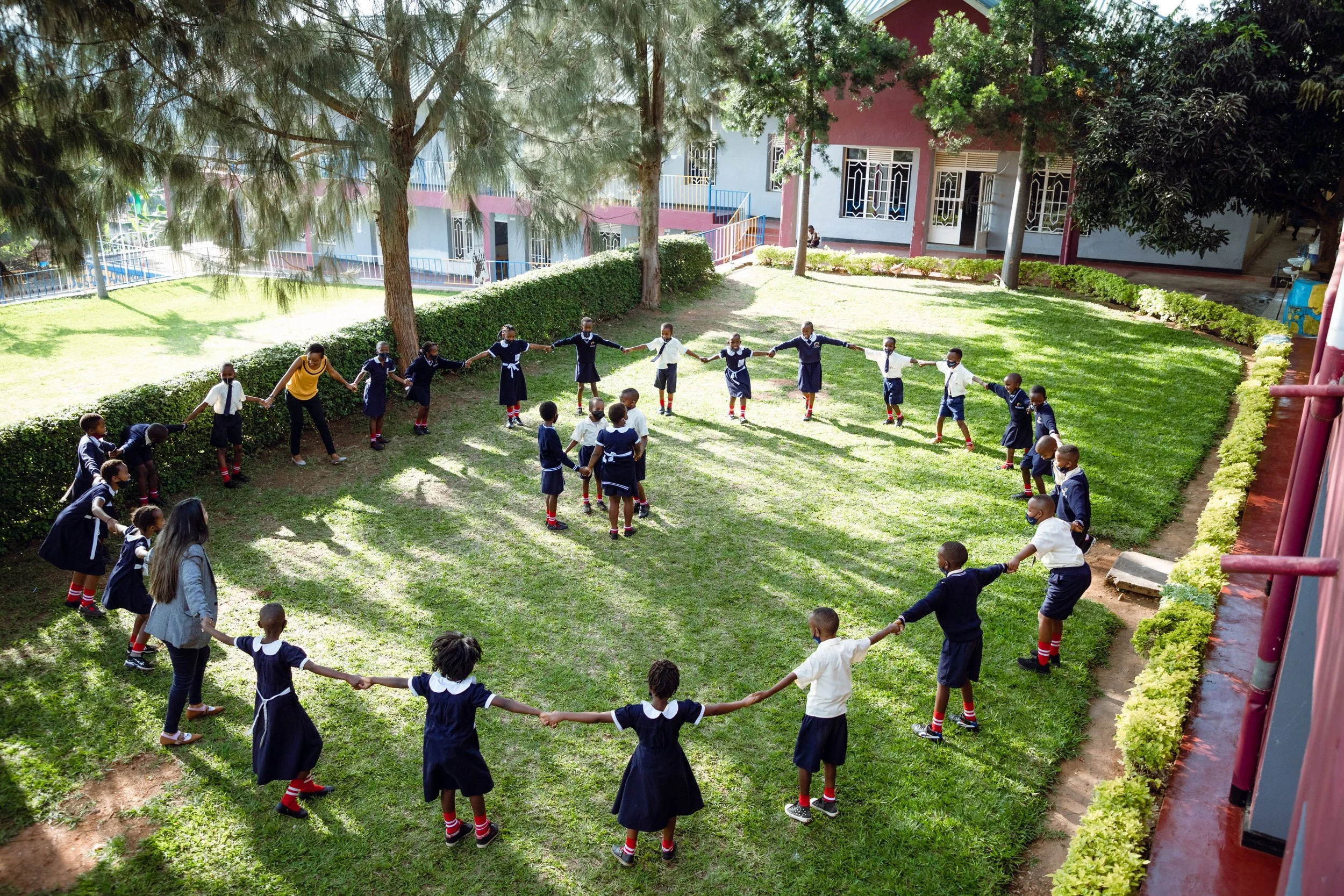
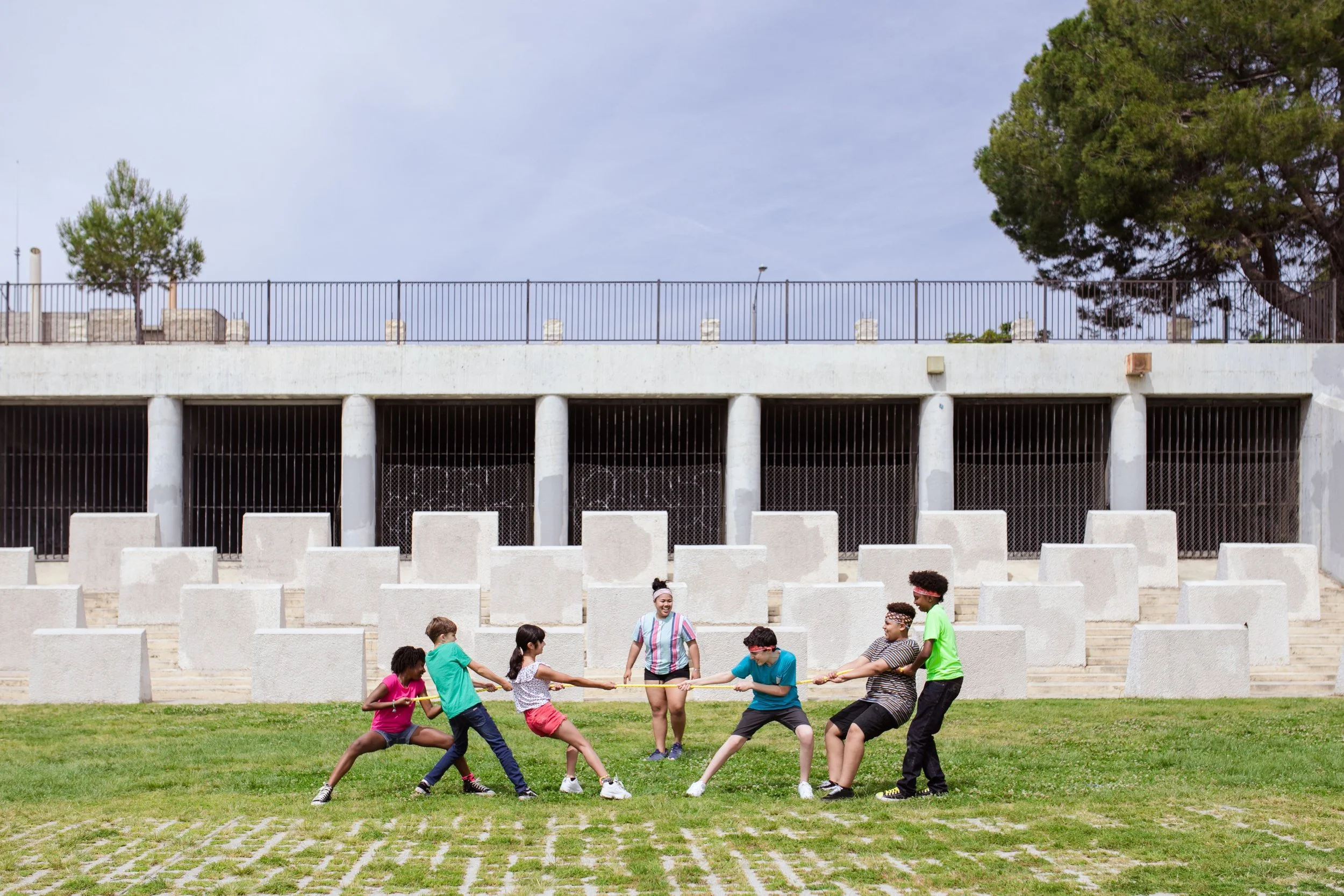
Get Outside - take the kids outside and let them get a change of scenery and sensory input. Include simple games that allow kids to have a high, or low sensory experience. Examples are parachute activities, hopscotch or obstacle courses, Toilet Tag/Stuck in the Mud or Yoga. I love Tug of War! The aim of the game should be to get the kids in a new environment and a new posture. There will be kids who simply choose to lay on the lawn and enjoy the sun - that is regulation too!
Ideas for Home
Include some dance breaks, videos or music as part of routines to allow a neutral, fun, movement-based activity between changing tasks or environments.
Make screen time more active - follow YouTube videos, play active games or set up a piece of exercise equipment your child likes near the TV. Screens are here to stay, but they don’t have to be a source of hours and hours of sedentary time.
Include activity as part of a difficult errand or outing. If you know that your child struggles with the grocery shop and loves proprioception, take them to a park before or afterwards! Let them climb, swing and jump to regulate their nervous system. Many families say that it “seems fine” but when they get home there is a meltdown - build a regulating bridge between the difficult environment and the safe environment.
Make outside family time a normal activity! Get a trampoline, basketball hoop or even a skipping rope of you have a small outdoor area and all spend time outside together! Even if you read a book while they play, it becomes a normal part of the routine to be outside together.
Add a walk to your family routine. This doesn’t need to be long, or far from home - make it normal to go for a walk before dinner, or on a Sunday, or any other time!
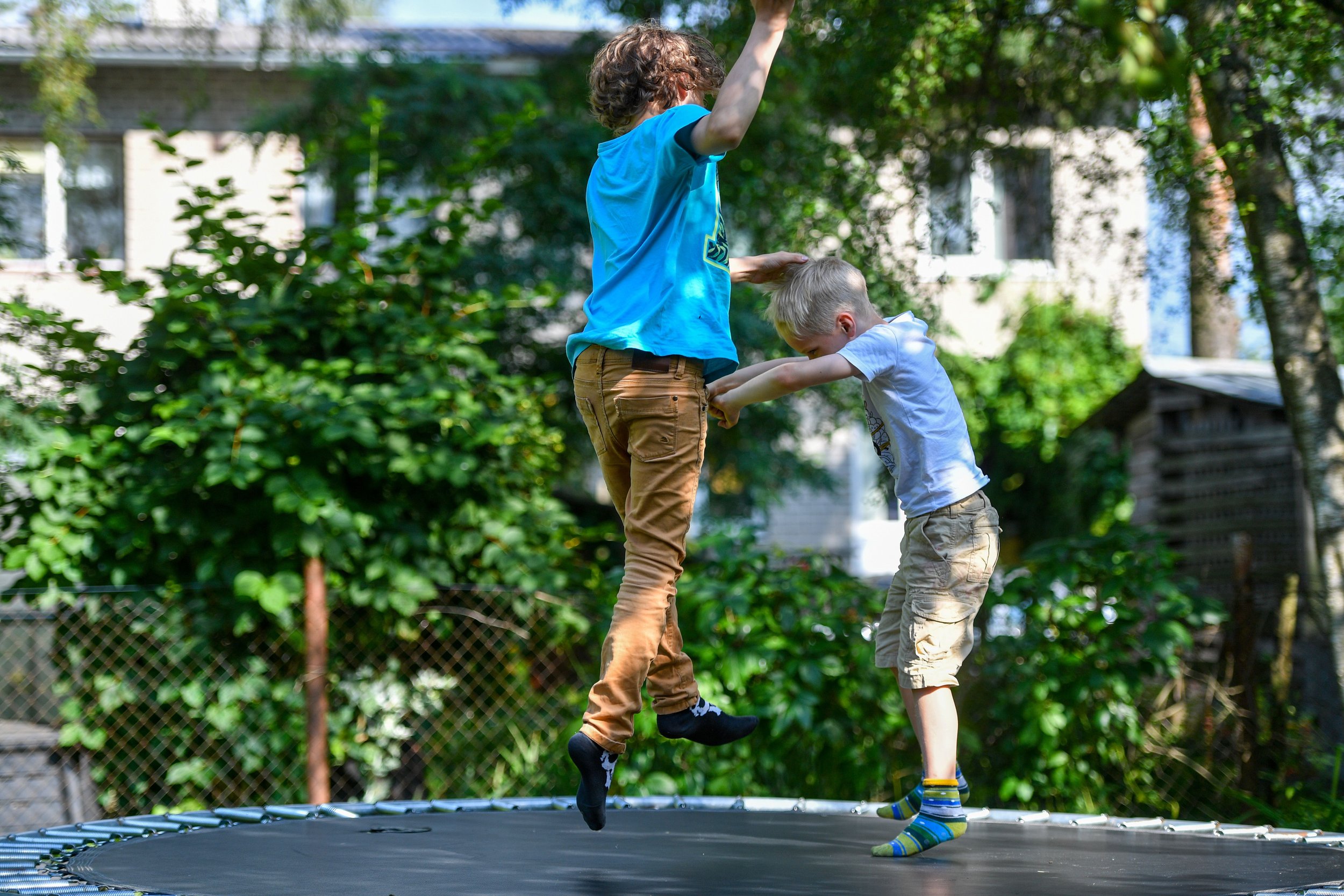
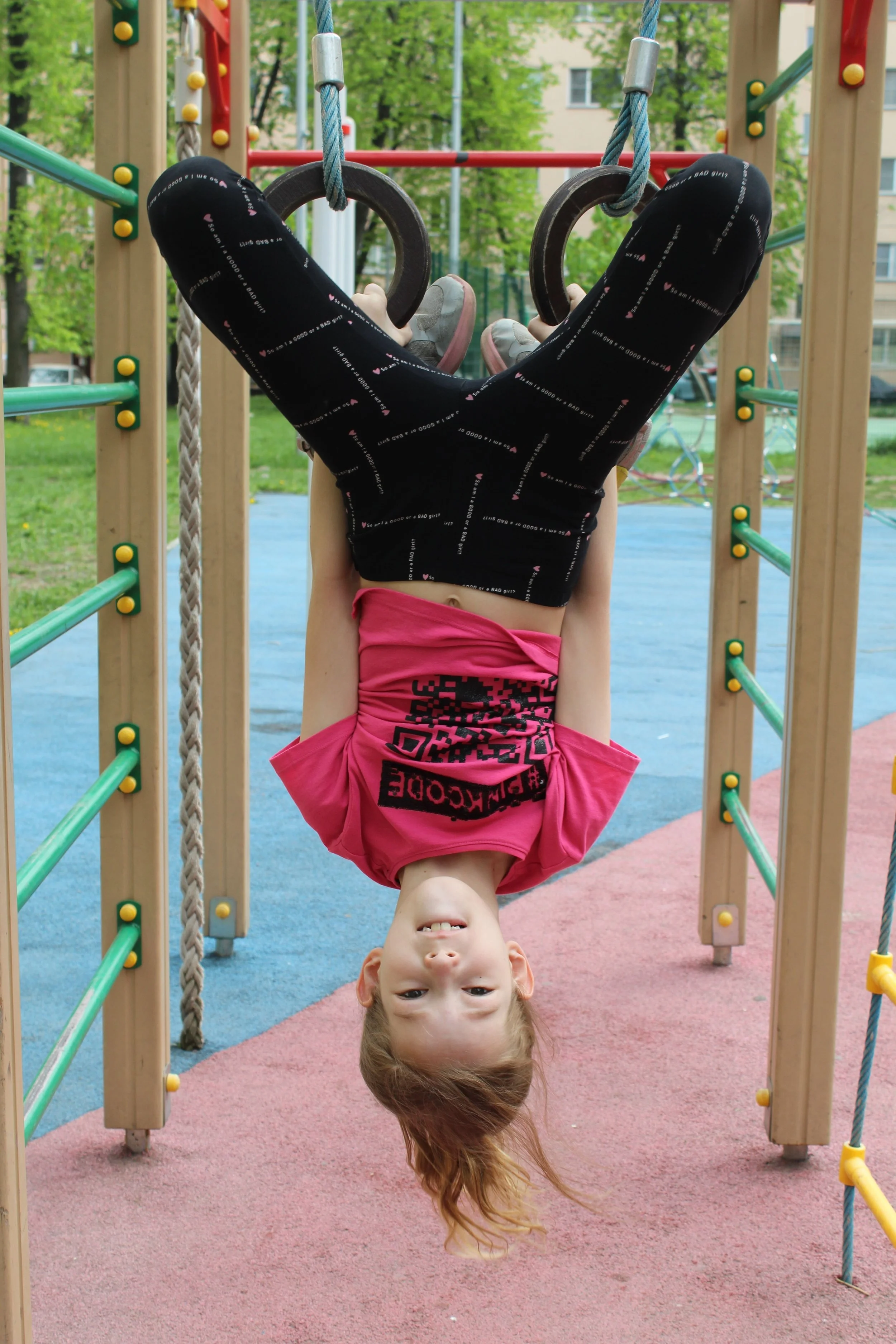

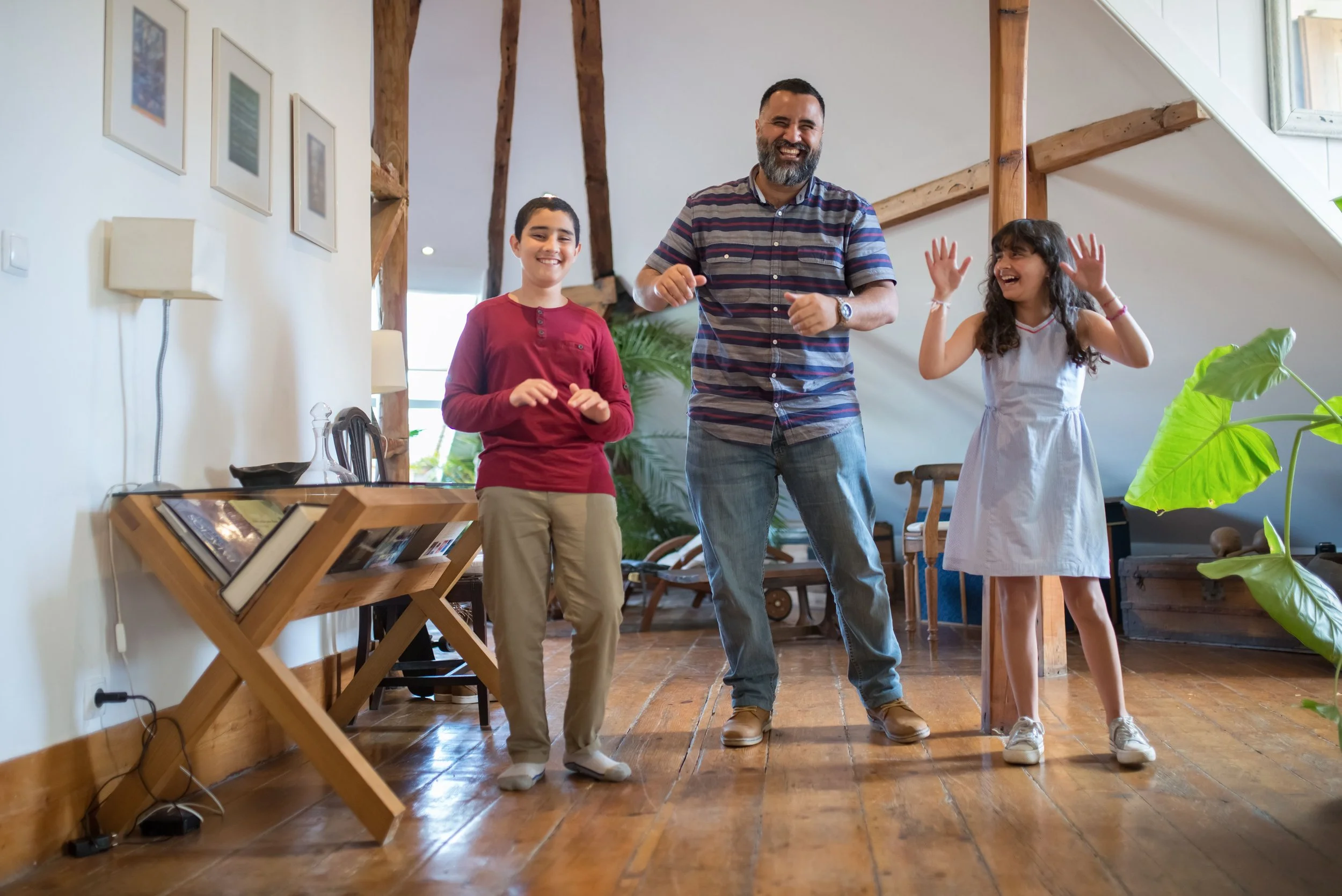
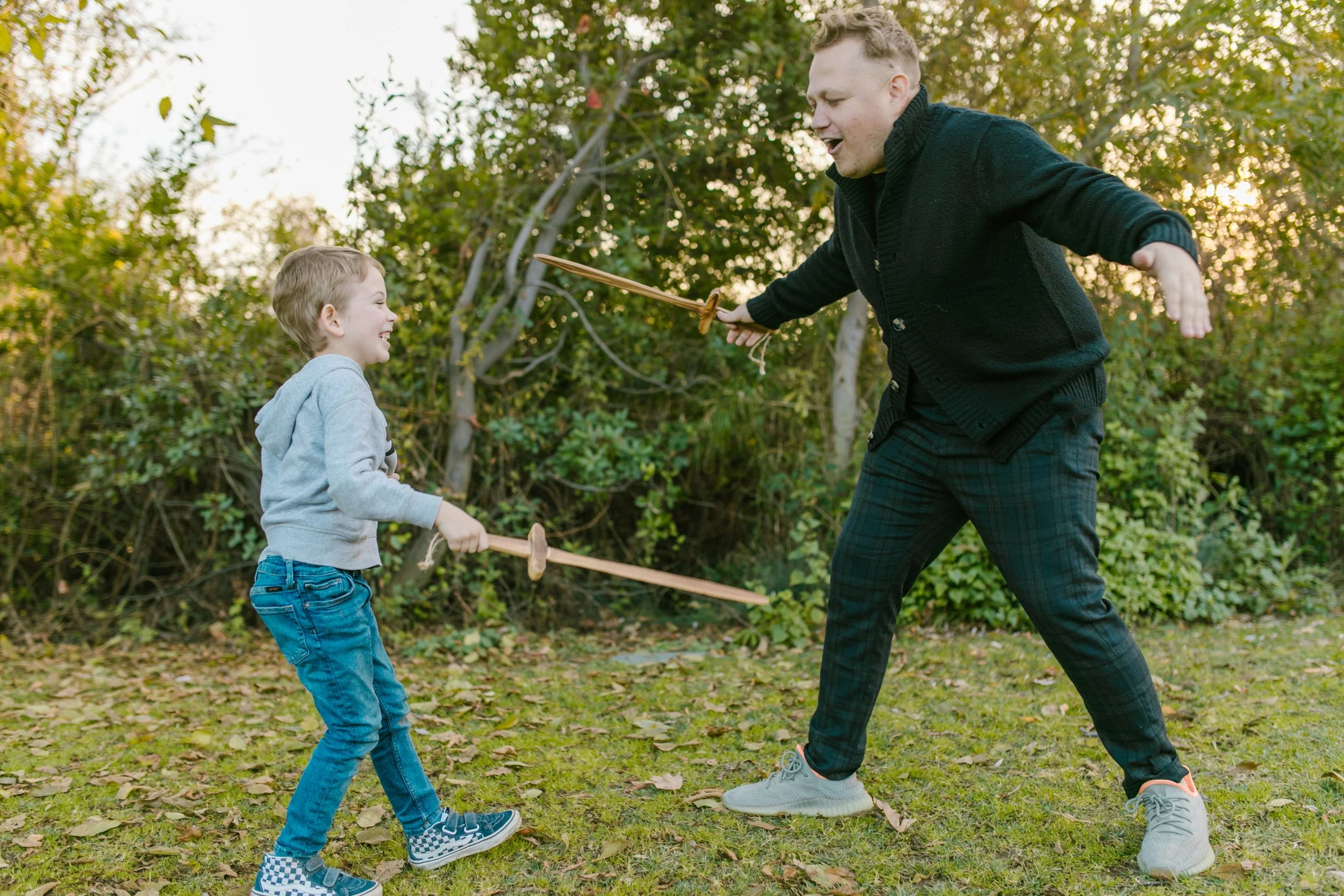
It's also worth remembering that the purpose of a movement break isn't always obvious from the activity itself. A child might choose to jump because they enjoy it, because they are seeking movement, because they want a sensory change, because they are excited, or simply because jumping is fun! We don't always need to work out exactly why - we just need to give the opportunity. Sometimes the best movement break will be energetic, and at other times it will be slow and gentle. There will also be times when the movement break is just about getting up and being somewhere else!
There is no perfect formula. The best movement break is the one that works for that child, in that environment, at that time.
The goal is to create opportunities for children to move, explore, participate, build confidence and learn that moving our body is good for us, good for our mind, and an important part of our life.
If you would like some specific, tailored ideas for your classroom, please let me know! I work with schools to incorporate movement and regulation into their day and provide education, support and training at any price point.
If you are struggling to get your child moving, or having difficulty with transitions, I can also help! Enquire now or make a referral.
