

Gross motor Skills for Autistic Kids
What are gross motor skills?
Large body movements that use multiple parts of the body (e.g., arms, legs, torso) are called gross motor skills. Some examples include running, jumping, kicking, climbing and throwing.
Gross motor skills are particularly important across many domains of childhood, including physical activity and education, play, exploration, social skills and building independence. When children have strong skills, confidence and knowledge on movement, we call this physical literacy.
These skills aren’t just important for play and physical activity - they act as scaffolds or building blocks for many skills across different life domains. Learning to ride a bike, drive a car, coordinate two tasks at the same time (e.g., using cutlery, driving) all require strong foundational motor skills.
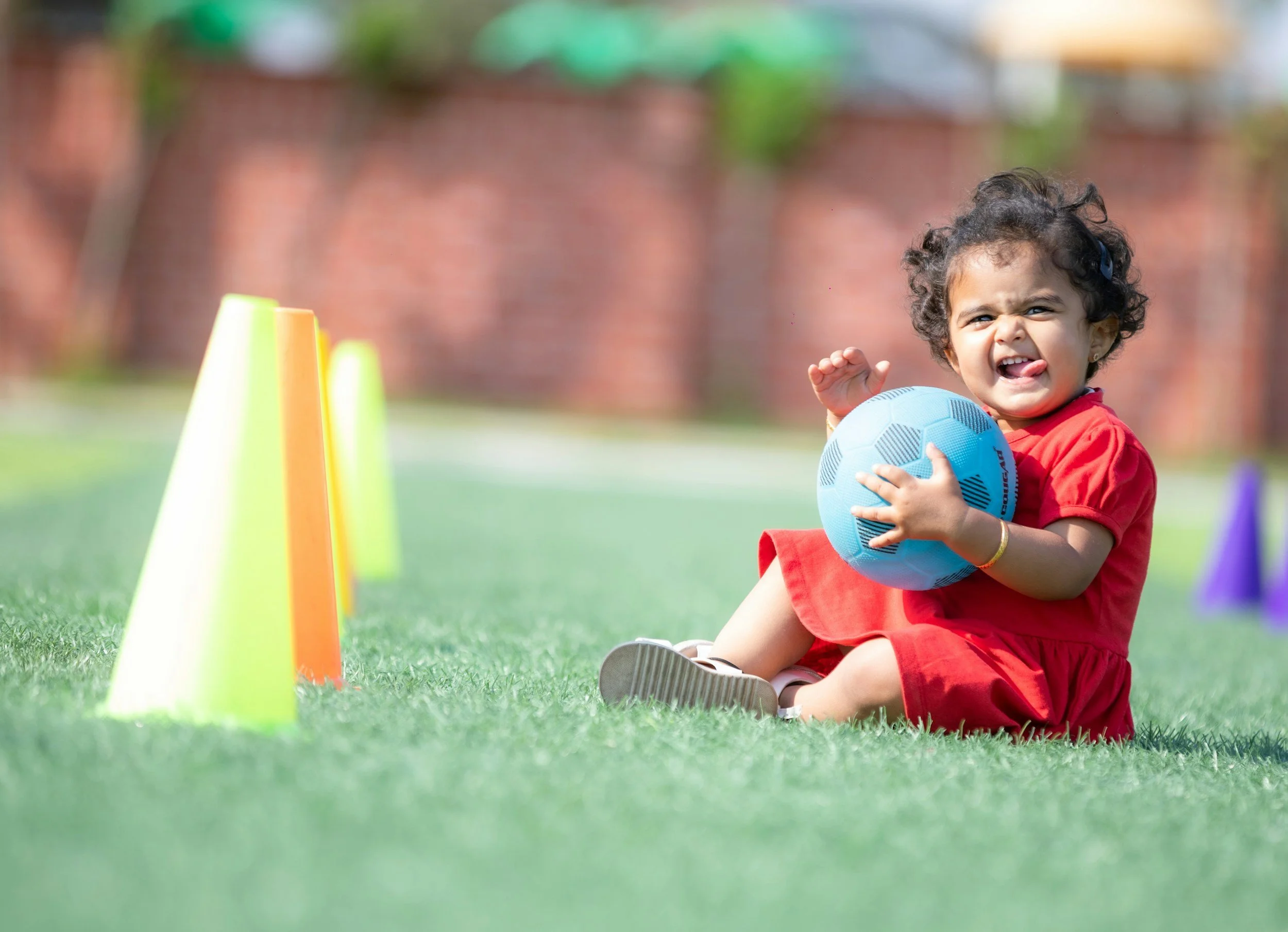
We also know that kids with strong motor skills participate more in physical activity, and this remains true into adulthood.
Why do some autistic kids struggle?
While every autistic person is different, motor difficulties is a significant challenge for many. Up to 40% of autistic kids score in the “coordination disorder'“ level for motor abilities, meaning that autistic kids are 4 x more likely to have gross motor skill deficits. This is hypothesised to be related to neurological differences with how movement is processed and executed at the brain level. This means that many autistic people perform movements in a very different way to others.
Differences in sensory regulation and sensitivity also impact on balance, coordination and force control with play an important role in gross motor skill development. Experiencing the world (and own body!) in a different way can make it challenging to learn by watching/copying others.
We also know that autistic people process the world and learn differently to neurotypical people. This means that ways of teaching and learning for an allistic neurotype are often ineffective for autistic people. When gross motor skills are taught only in neurotypical beneficial ways, no wonder autistic kids are left behind!
Autistic kids also get less opportunity to practice these skills, through a combination of personal factors (e.g., restricted interests, sensory preferences, motivation) and social/environmental factors (isolation, misunderstanding, teachers who don’t understand).
It is also important to note that differences are not always deficits; I have worked with many autistic people whose different ways of learning and processing movement have led to high levels of mastery.

Sometimes, the answer is simple: many autistic people have never been taught in a way that made sense to them.
How do you know if your child has gross motor skill difficulties?
While every presentation is different, some tell-tale signs of gross motor skill challenges include:
Difficulty controlling force - squeezing too hard/soft, only being able to push or throw as hard as they can etc.
Becoming overwhelmed when required to do two things at once (e.g., knife and fork, sitting on a backless chair while writing etc.)
Mistiming skills like catching, or not moving fast enough
Struggling to learn between practice opportunities
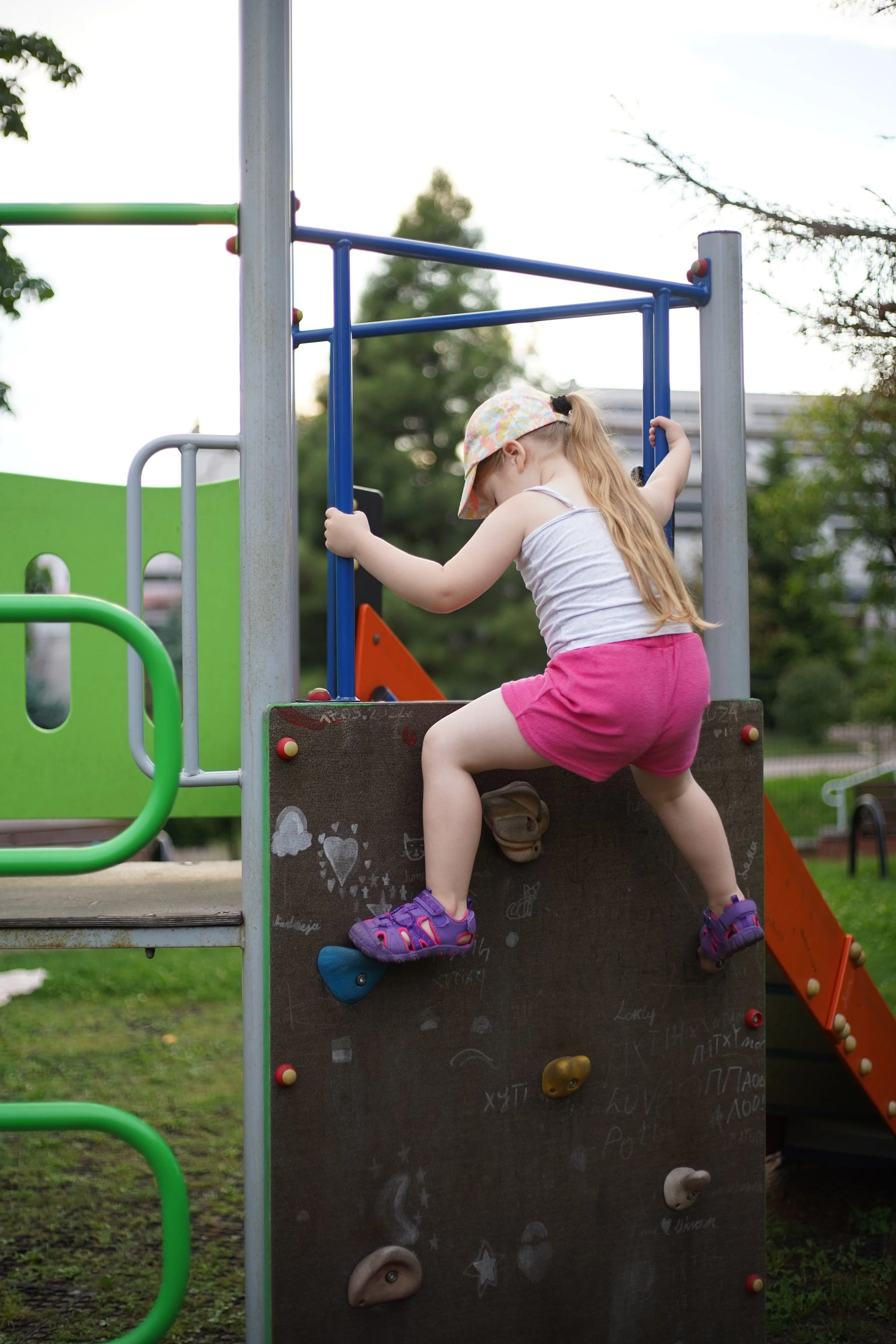
Avoiding climbing, playgrounds, or sports
Walking with very heavy steps, or falling down easily
Fatiguing very quickly during basic gross motor tasks
Spilling food and drink
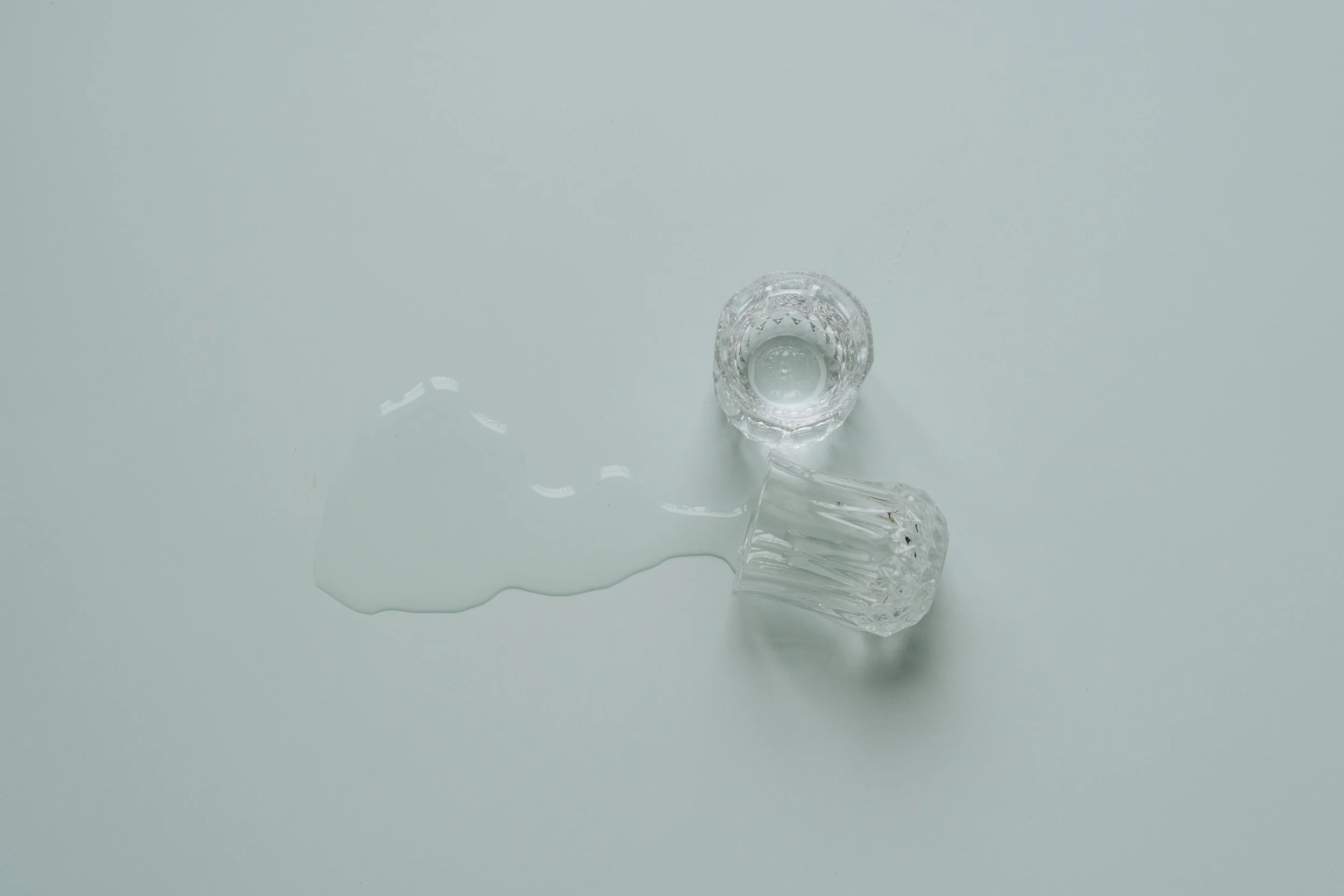
Motor skill challenges apply to many areas of life.
How can you support them?
The best way to improve gross motor skills is by getting moving! Often over-prescription of activities and exercise has been a contributor to the problem - get moving as much as you can, and start with something fun. A key strength of autism is the ability to learn deeply in areas of interest, so start there. Find what your child likes to do and introduce movement that they enjoy into the regular routine.
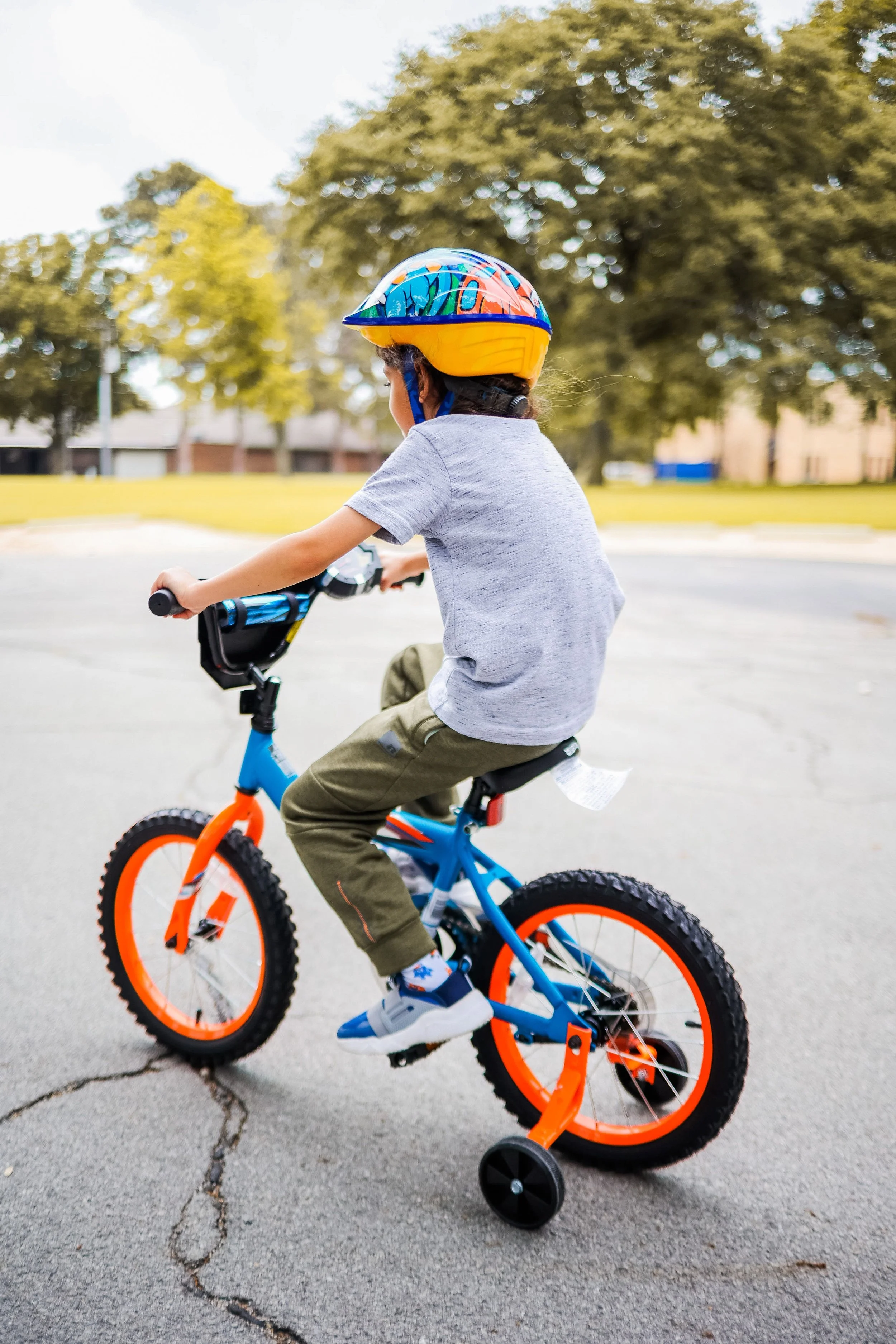
Take more complex skills back a step and work on the fundamentals first. For example, I work with many families who would like help with learning to ride a bike. This is a complicated tasks that requires balance, force-control, bicycle knowledge, safety knowledge and strength. Starting with the baseline skills (balance, strength, being able to sit on a bike and know how it works) won’t just increase skills but also confidence. Familiarity with the bicycle and the required skills are essential.
Provide lots and lots of practice, and reduce your feedback as much as possible. Autistic people learn in different ways, so often taken a more hands off approach and simply providing lots of exposure to the skills with elicit higher improvements in performance that explicit teaching. We also know that every time we interrupt practice, up to 60% of the information can be lost! Rather than spending a lot of time working on technique, simply get some repetitions in.
Allow lots of choice - giving children some control over what they do can help make physical activity more enjoyable and meaningful.
Some activities to try:
To improve running endurance and speed,
Run more! Run like your favourite characters, animals or heroes.
Run on different surfaces, and include hills (up and down) as well as flat.
Practice running as slow as you can, as well as fast as you can.
Build up lower limb strength through fun activities like climbing, jumping or kicking.
To work on balance,
Kick a soccer ball - you have to stand on one leg!
Walk along lines, walls or draw something in chalk.
Walk barefoot on textured floor surfaces.To
Create “floor is lava” games where your child has to plan their route across the room.
Ride scooters, balance bikes or bicycles.
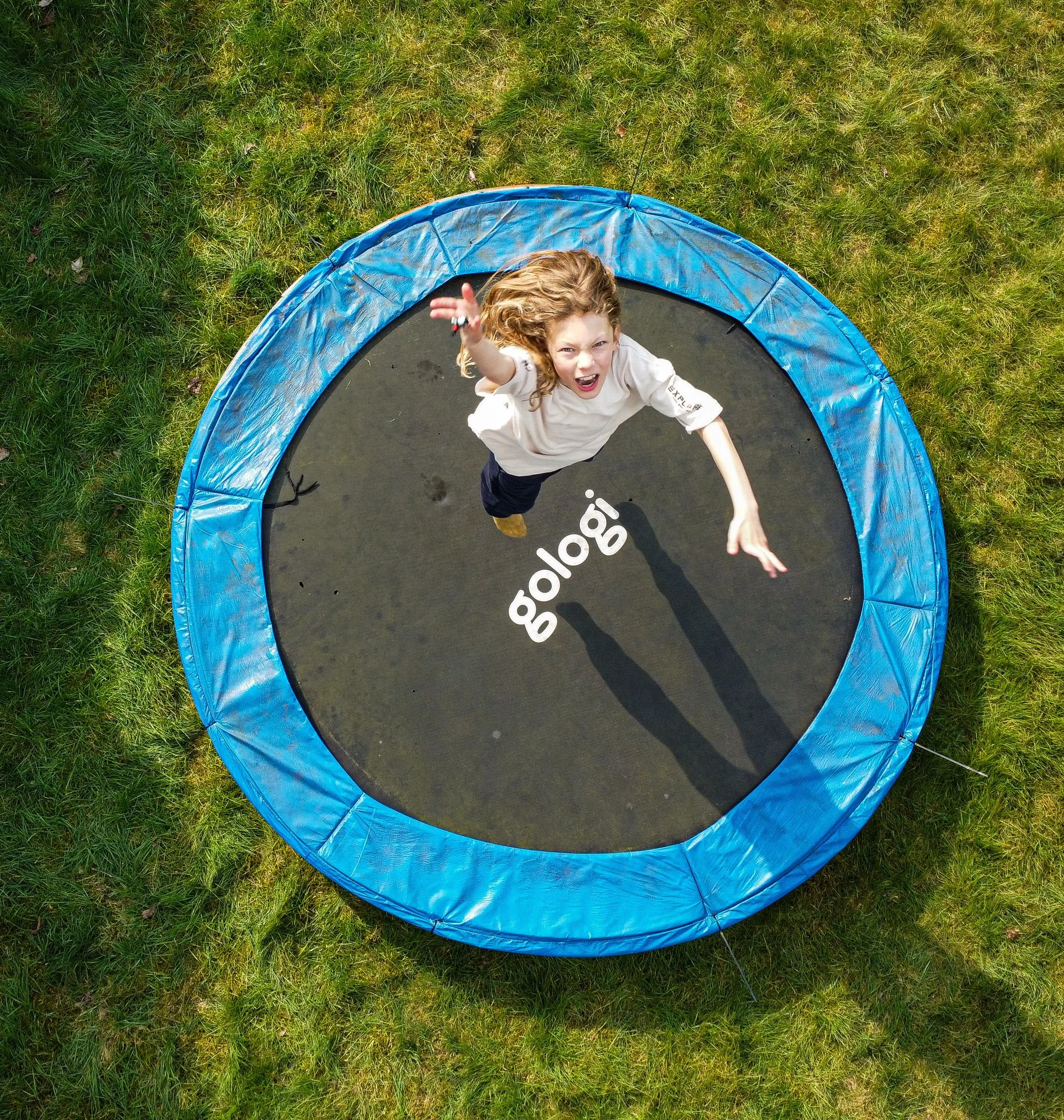
Jump on the trampoline!
To work on throwing,
Get a large number of balls/beanbags and throw them as far as you can.
Scrunch up papers and throw them into a bin.
Try to throw over obstacles.
Throw different shapes and weighted items for distance.
Set up something to aim at and knock it down.
To practice bike riding,
Set up a stick and a video on the TV and imagine you are steering to learn the mechanics of the handlebars
Practice getting on and off the bike, test the brakes and ring the bell!
Ride a stationary bike/pedals to music (keeping the rhythm)
Practice rolling down hills and stopping.
Use balance bikes, or take the pedals off while learning!
For catching,
Start with balloons and other slow moving balls and build your way up
Give your child a basket to catch the balls in.
Pop bubbles with your fingers.
Practice reaching for and grasping different objects.
Play tug of war to build grip strength.
These are just some ideas you can try at home!
When should I contact a professional?
If you have concerns about your child's movement skills, participation or physical activity, professional support may be helpful.
An Exercise Physiologist, Physiotherapist or Occupational Therapist may be able to assess different aspects of movement and help develop an approach based on your child's individual needs and goals.
This might involve working on specific skills, building strength and confidence, adapting activities or simply finding ways to make physical activity more accessible.
Importantly, professional support doesn't have to be about correcting every difference -it can be about helping a child participate in the things that are important to them, and identifying the best way they can learn.
If you're looking for more information about supporting your autistic child to be active, check out the Parent Guide to Exercise on the Spectrum.
The guide brings together practical, evidence-informed information about exercise, physical activity and autistic children, with a focus on helping families find approaches that work for their individual child.
