

Sport Isn’t the Only Option
Sport is one way for kids to be active, but it is not the only way.
For many children, sport can be a fantastic introduction to physical activity. It provides opportunities to develop physical skills, build fitness, learn how to work with others and experience the enjoyment that comes with being active. But sport isn't a good fit for every child. Some kids thrive in competitive environments, but others find the competition, rules, social dynamics or unpredictability of sport challenging. Some children may enjoy the physical activity but not the structure that comes with organised sport.
Sport also comes with additional complexities for neurodivergent and autistic kids. Sport is full of the hidden curriculum - the unexplained, secret rules that govern allistic interactions. This can make inclusion especially challenging for many autistic kids - there are many rules, and you didn’t even tell me what they are!
Our early experiences with exercise matter.
The way we experience physical activity as children can influence how we think about exercise later in life. There is significant evidence that shows that kids who participate in physical activity become adults that are active and those who don’t rarely turn it around. This is true across all modalities - it doesn’t matter what you do, as long as you do it often!
Think about the messages we receive when we're young -for some children, sport is where they make friends, develop confidence, discover something they are good at and have fun. For others, it might be where they regularly experience being picked last, struggling to keep up, getting told off for making mistakes or feeling uncomfortable in front of their peers. It also might be a significant source of dysregulation, pairing physical activity with pain and discomfort.
If early experiences are positive, kids start to see movement as something that can be fun, enjoyable and rewarding. But if they are constantly having negative experiences such as feeling inadequate, struggling to understand or keep up, being embarrassed or simply not enjoying sports, it's easy to start thinking of exercise as a bad thing.
Sport can be an amazing introduction, or a deterrent.
Sport can be a great way to get kids active and, for many children, it's a really positive introduction to physical activity. It can expose children to a wide range of physical skills including running, jumping, throwing, catching, kicking, changing direction and balancing. It can also provide opportunities for social connection, teamwork and developing confidence. For some children, this is exactly what they need - it was what I needed!
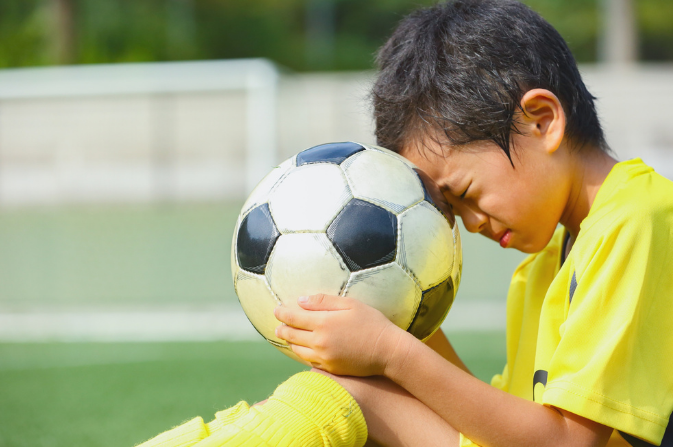
But the same environment that helps one child thrive can create barriers for another.
Organised sport can involve:
Competition and performance expectations
Complex rules
Rapidly changing environments
Large groups
Unpredictable situations
Social communication and teamwork
Waiting for turns
Physical contact
Noise and other sensory demands
Comparing performance with peers
For children who find some of these things challenging, repeated negative experiences can make participation difficult. While sports are only part of the Australian Physical Education Curriculum, they often provide the majority of physical education and exercise exposure for school aged kids. I believe this experience is one of the reasons that kids are participating less than ever before in physical activity outside of school - they simply don’t have positive associations with exercise and they don’t have activities they find enjoyable.
Physical activity doesn't have to be competitive
One of the easiest ways to broaden opportunities for physical activity is to separate being active from playing sport. Sport is a type of physical activity, but is not the only physical activity.
Across my roles in the community, schools and the healthcare system I constantly see the same patterns - narrow definitions of physical activity, and negative associations. As professionals it is our job to champion the outcome (increased physical activity), not the way that they get there. Everyone has different activity preferences and deserves to find something they enjoy.
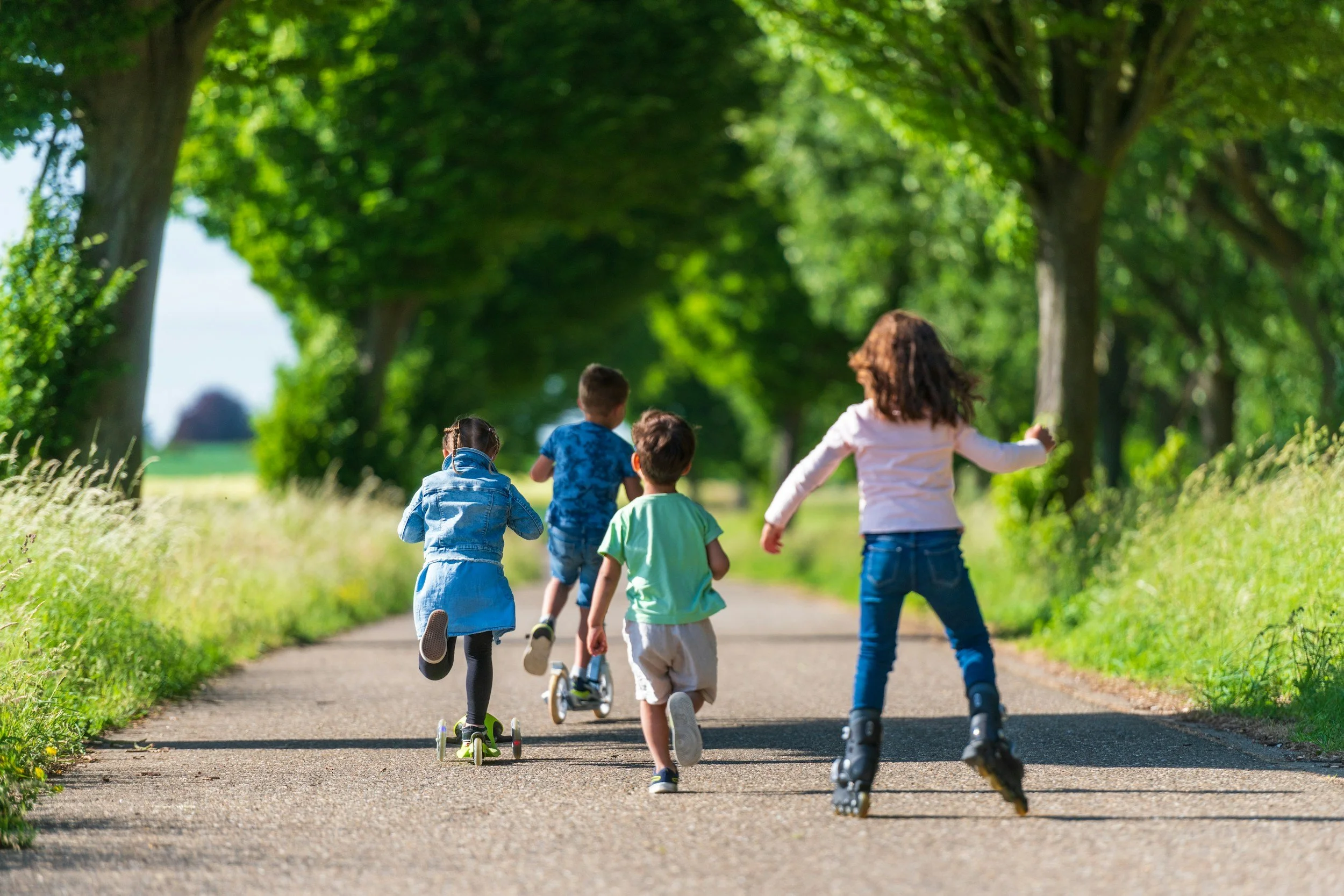
There are plenty of ways for kids to be active without playing sports.
Walking, cycling, swimming, climbing, dancing, playing at the park, skateboarding, strength training, hiking, active video games, playing in the backyard or riding a scooter can all provide opportunities to move and develop physical skills.
It’s easy to focus on achievements when we talk about kids and physical activity. How fast they can run, how far they can jump, how many goals did they score? But these aren’t the only measures of success. For many kids, simply participating, trying something new, developing a skill, building confidence and finding something they enjoy is just as important. Creating positive experiences with movement can help kids develop the skills and confidence they need to stay active.
These experiences create opportunities for children to develop what is often referred to as physical literacy.
Physical literacy is a person's skills, motivation and knowledge to value and take responsibility for engaging in physical activities throughout their life.
Developing physical literacy isn't about becoming the best athlete or playing every sport- it is about developing the skills, confidence and positive relationship with movement that allows someone to participate in physical activity for the long haul. As I have mentioned to many frustrated teachers or parents where kids are simply not achieving a skill outcome, or doing something “correctly” - lose the battle so you win the war. One of the best ways to support physical literacy is to give kids opportunities to experience a variety of types of movement. Different opportunities expose kids to different skills, as well as helping them to find what they enjoy.
At the pinnacle of all physical education or exercise intervention should be one goal - creating positive exercise experiences.
When I first started working with young people I discovered something heartbreaking - some autistic kids have never had one in their life.
Here are my three guiding principles for creating a positive experience:
Provide a safe and supportive environment
Promote participation and enjoyment over outcomes
Practice a variety of skills and activities
Ultimately, there isn't one "correct" way for a child to be physically active. Sport can be an excellent option, but so can riding a bike, swimming, dancing, climbing, walking, playing at the park, lifting weights or simply running around with friends. Our role is not to make every child love sport. It is to provide enough opportunities for children to discover movement that works for them.
There is no wrong way to be active! Find your move, have fun and participate.
If you want to read more about my approach, I suggest you check out my previous blog post - “The Exercise on the Spectrum Way”. You can review all previous blogs using the link below!
