

When we talk about helping children become more physically active, the focus is often on the child.
What sport should they play?
How can we get them outside more?
How do we reduce their screen time?
What activities should we encourage?
But there is another important part of the equation that is sometimes overlooked: what are they seeing the people around them do?
Children learn a lot by watching those around them and emulating their choices, and this also applies to physical activity. Parents and caregivers are extremely important role models for health behavior and the way that physical activity is prioritised (or not) and spoken about influence how kids view movement themselves.
A 2020 systematic review explored parent physical activity behaviour with that of their children. The study examined 39 papers that explored parent and child exercise and found that there was a positive association between parental physical activity and that of their child. That means that if you are active, your children are more likely to be! Children emulate what they see and by “walking the walk” you can have a positive impact.
Furthermore, a 2010 study found that children whose parents encouraged and supported them to be active where significantly more likely to get the recommended one hour of activity each day. They also found that parents who rated physical activity enjoyable had kids who enjoyed it too. This strong association shows that not only do kids do what they see their parents do, but perhaps more importantly, parent attitudes towards physical activity have a big impact on their kids. If we tell children that exercise is difficult, boring, painful or unimportant, they will think so too!
But don’t think it stops there - it is easy to tell a child that exercise is important, but it is even more powerful to show them. When kids see their parents playing, walking, cycling, swimming and running, they don’t just see you being active. They also see the benefits of physical activity reflected in the mental and physical well-being of their heroes.
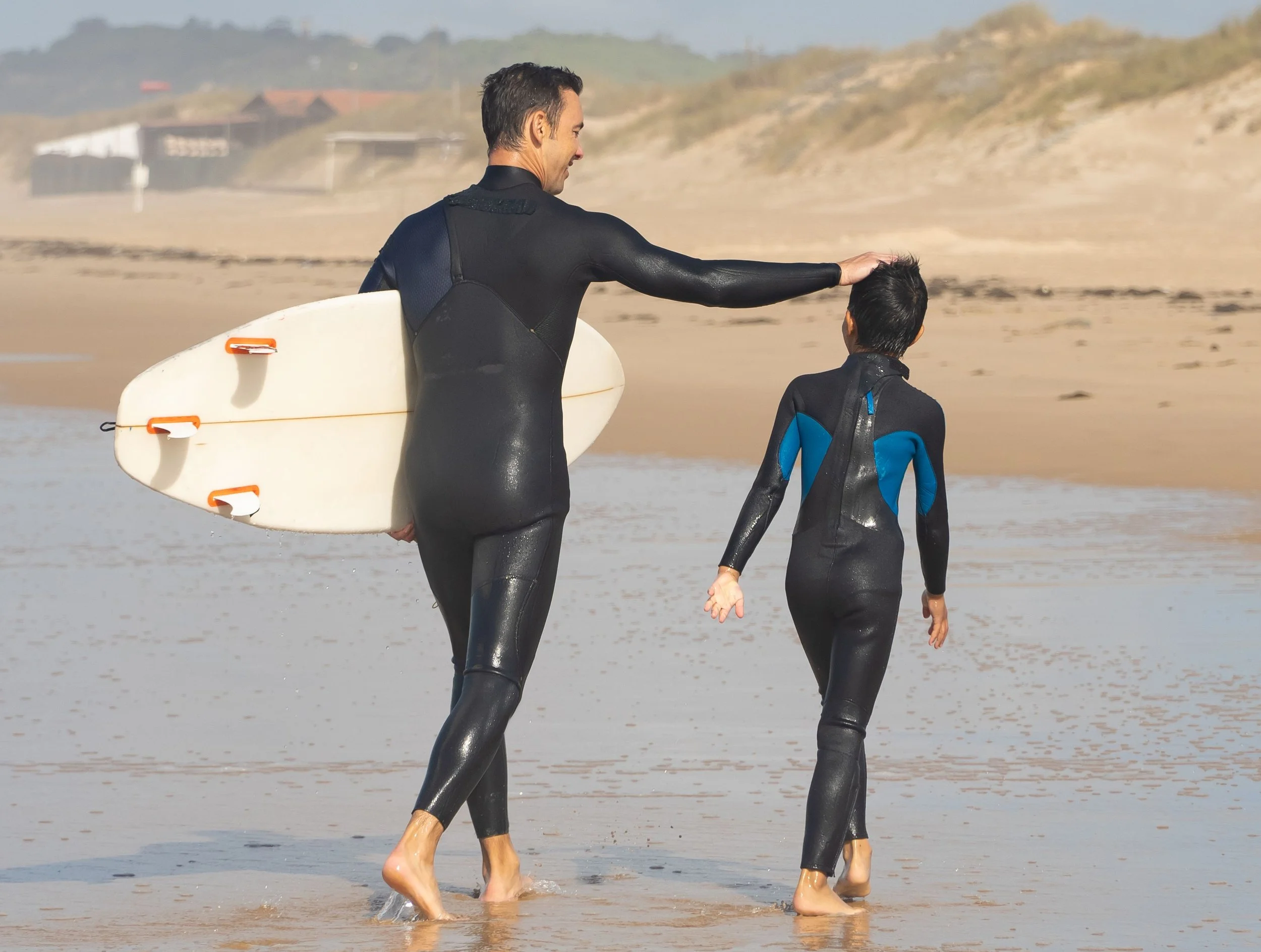
When children see their parents engaging in and enjoying movement, they learn that being active isn't something that only happens at training or when someone tells you to exercise.
It is simply part of life.
So what can you do?
You don't need to completely change your family's lifestyle. Small changes in the way you talk about and participate in physical activity can make a difference.
1. Speak positively about physical activity
Your words have a big impact. Try to avoid talking about exercise as something you have to do, but want to do.
Instead, talk about the things you enjoy about being active.
"I love going for a walk because it helps me feel good."
"I really enjoy getting outside."
"I want to get stronger."
Help your child see physical activity as something positive and worthwhile.
2. Find activity that you love
Find ways of being active that you genuinely enjoy and do them often.
It doesn't matter whether that's going to the gym, walking, cycling, swimming, gardening or dancing around the kitchen.
Let your child see you enjoying it. Let them see that you make time for it.
You are showing them that physical activity is something that can be enjoyable and important enough to make space for in your life.
3. Help your child find what they enjoy
Your favourite activity doesn't have to be theirs. Give your child opportunities to try different types of movement and help them identify what they enjoy.
For some children, this might be sport. For others, it might be riding a bike, swimming, climbing, dancing, walking, playing at the park or simply moving around at home.
There is no single right way to be active.
4. Do it together
Find ways that you can be active together. - Go for a walk, ride bikes, go to the park, dance in the living room. It doesn't need to be structure exercise.
Sometimes the best way to encourage physical activity is simply to make it something you do together.
5. Make activity part of a healthy life
Physical activity shouldn't be treated as something separate from the rest of your family's health.
Just like eating well, getting enough sleep and connecting with others, movement is part of a healthy life.
When children grow up seeing physical activity as a normal part of everyday life, rather than something they are forced to do, they are more likely to develop a positive relationship with movement.
And that's ultimately what we're aiming for- kids who grow up understanding that movement is a normal, enjoyable and valuable part of life.
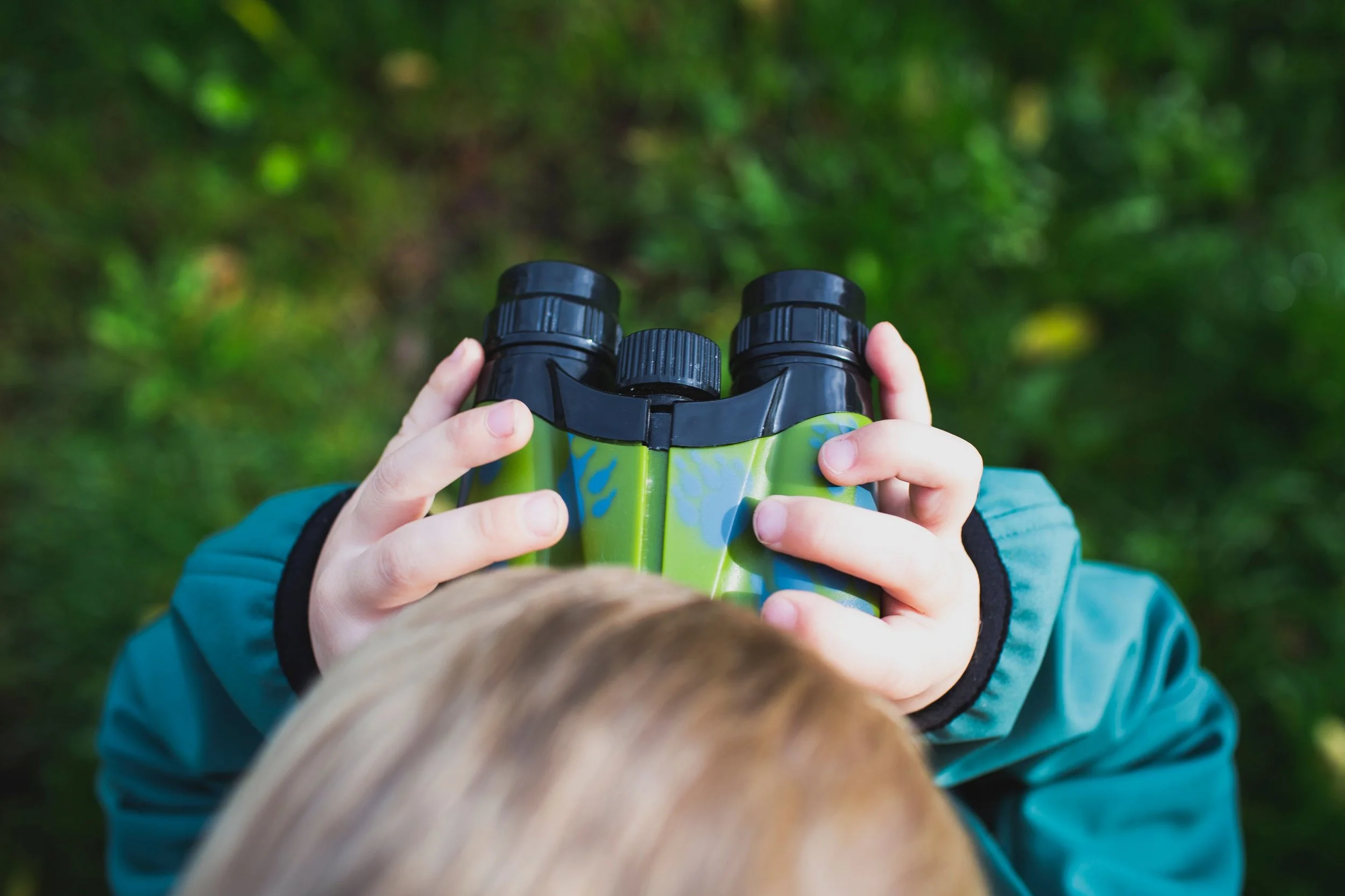
Making sure that your child sees you enjoying, participating and feeling positively about exercise can have a powerful impact on their own activity levels.
YOUR FAMILY ACTION PLAN
Think about your family schedule, and reflect on the prevailing narrative around physical activity
Is it something fun? Is it a chore? How do you feel about it? No one is perfect, and if this is an area to work on, start making small changes. Talk about the benefits, and how it can be fun. Encourage each other and champion participation, e.g., “I felt so good when I walked to the bus this morning, it made me want to go for more walks!”.
Next, pick a small activity that can become part of your routine
This could be an after dinner walk, active transport to/from school, a weekend bike ride, after school dance jams or playing outside at a regular time. It doesn’t have to be time intensive, or something that your family never does! When I was a child, my dad and I played “hallway soccer” with a small soft pillow when he got home from work. It wasn’t a chore, or “exercise”, it was just something that we both found fun.
Keep a keen eye on their enjoyment, skills and strengths
Your kids will watch how you feel and participate, so even if you are busy, make an effort to commit to the activity. Watch how they engage - is it something they find fun? Are they discovering strengths or interests, and can you help them explore these? Sometimes skills and passions appear where you least expect them. I once worked with a family who discovered that their child was an excellent runner only when they started taking the dog to the park in the evening!
If you need help finding activities - please reach out, I would love to help!
