
Hypotonia and Autism
We hear a lot about “core strength”, and it’s impact on daily function, endurance, strength and fatigue.
But what does it mean?
Too often this definition of “core strength” relies heavily on the abdominal muscles.
A better way of thinking is to consider your torso as a cylinder. A large system of muscles exert forces in all direction to result in a stable, strong and durable “core".
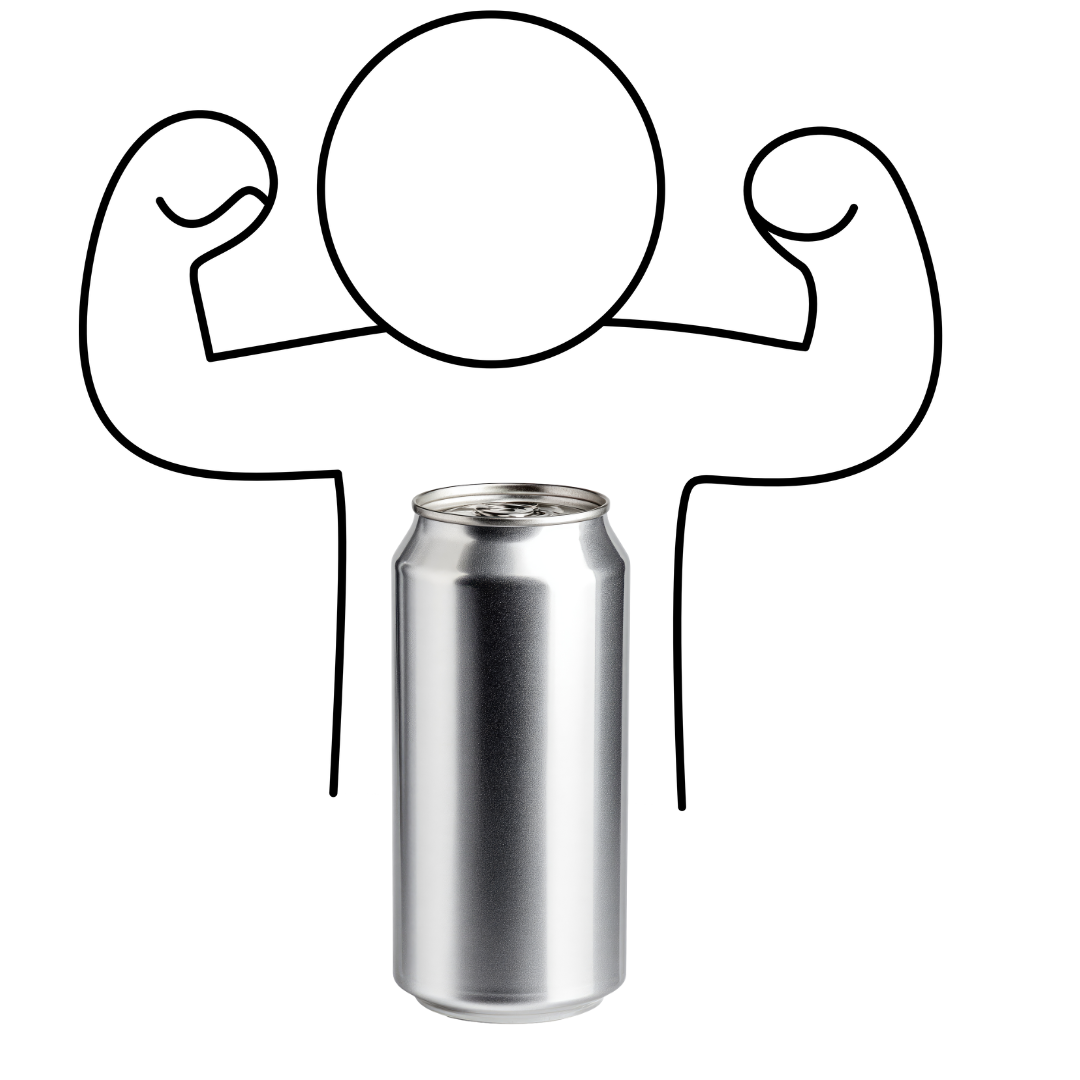
The diaphragm applies pressure down from the top, with the pelvic floor underneath.
Abdominals form the front, and extensors (back muscles) form the other side of the can.
Other muscles provide pressure inside the can.
If one area is weak, the liquid will spill out!
Poor strength and endurance in this system can have a ripple effect to the rest of the body. Every day tasks such as sitting up in a chair, bending to tie your shoes, writing, throwing and even standing can be made difficult.
Low muscle tone (hypotonia) is a condition where muscles cannot produce typical resistance or tension. For infants, this can appear as poor head control, or floppy movements. For kids, it may appear as motor delays, hypermobility or excessive fatigue.
Hypotonia does not describe muscle size, but more its behaviour. This is because tone is a neuromuscular mechanism of motor impairment. Due to differences in neuromuscular behaviour (where neurons in the brain communicate with muscles), many autistic people exhibit abnormal muscle tone.
Up to 50% of autistic people exhibit hypotonia and associated challenges.
A recent study exploring early signs of autism identified that hypotonia could be used as an early marker for ASD (Gabis et al., 2021). This means that hypotonia and autism are so closely linked that it can be considered a feature of autism.
So what does this mean?
Low muscle tone, untreated can result in:
Gross and fine motor delays
Fatigue and avoidance with physical activity
Difficulty sitting still and paying attention at school
Overstimulation from sensory fatigue
Injury and pain
One positive sign, however, is that muscle tone does not correlate with size or necessarily strength! In fact, many autistic people have very good muscle strength (the maximum force they can produce) and low muscle tone (tension at rest).
What does an Exercise Physiologist do?
As an EP I first work to identify what difficulties the child is having. Sometimes, I need to explore well outside physical activity and gross motor skills, as the challenges can manifest themselves in other domains.
For example, I have worked with several kids who are constantly getting in trouble at school for “wriggling or slouching in their chair”.
Another example is a child who starts strong and finishes rough - they run out of energy, regulation and patience as the day goes on.

When global hypotonia is common, it is often best to start with imbalances.
When one muscle group is markedly weaker than the other, it is much harder to keep your can upright!
A common presentation among kids is where their extensors (back muscles that keep your spine straight) are much weaker than their flexors (abdominal muscles that flex the spine).
This imbalance makes it hard to sit or stand up straight, and results in fatigue, tight leg muscles and often a sore neck.
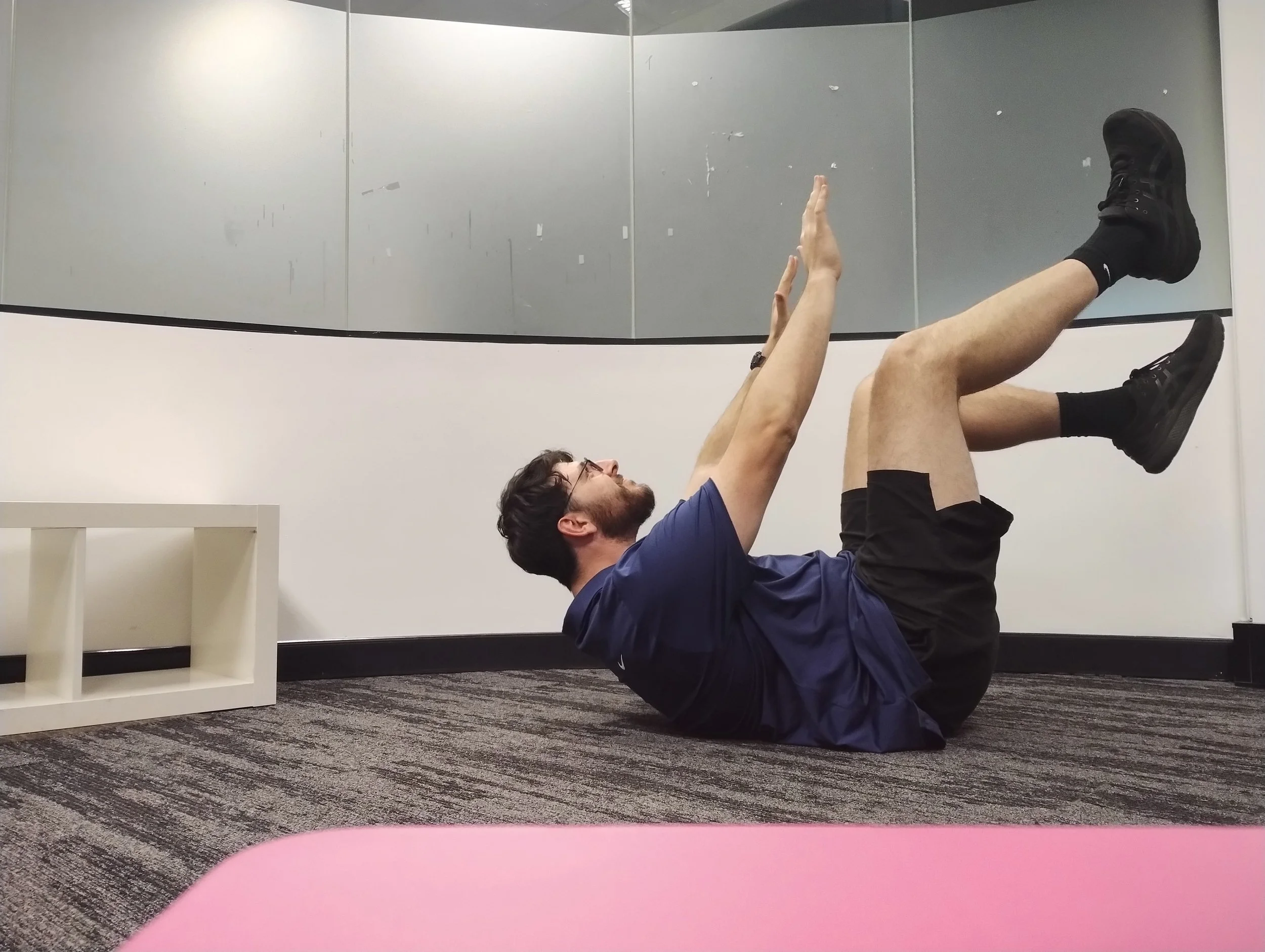
A quick way to test this is to complete the below “Superman” and “Bug” exercises.
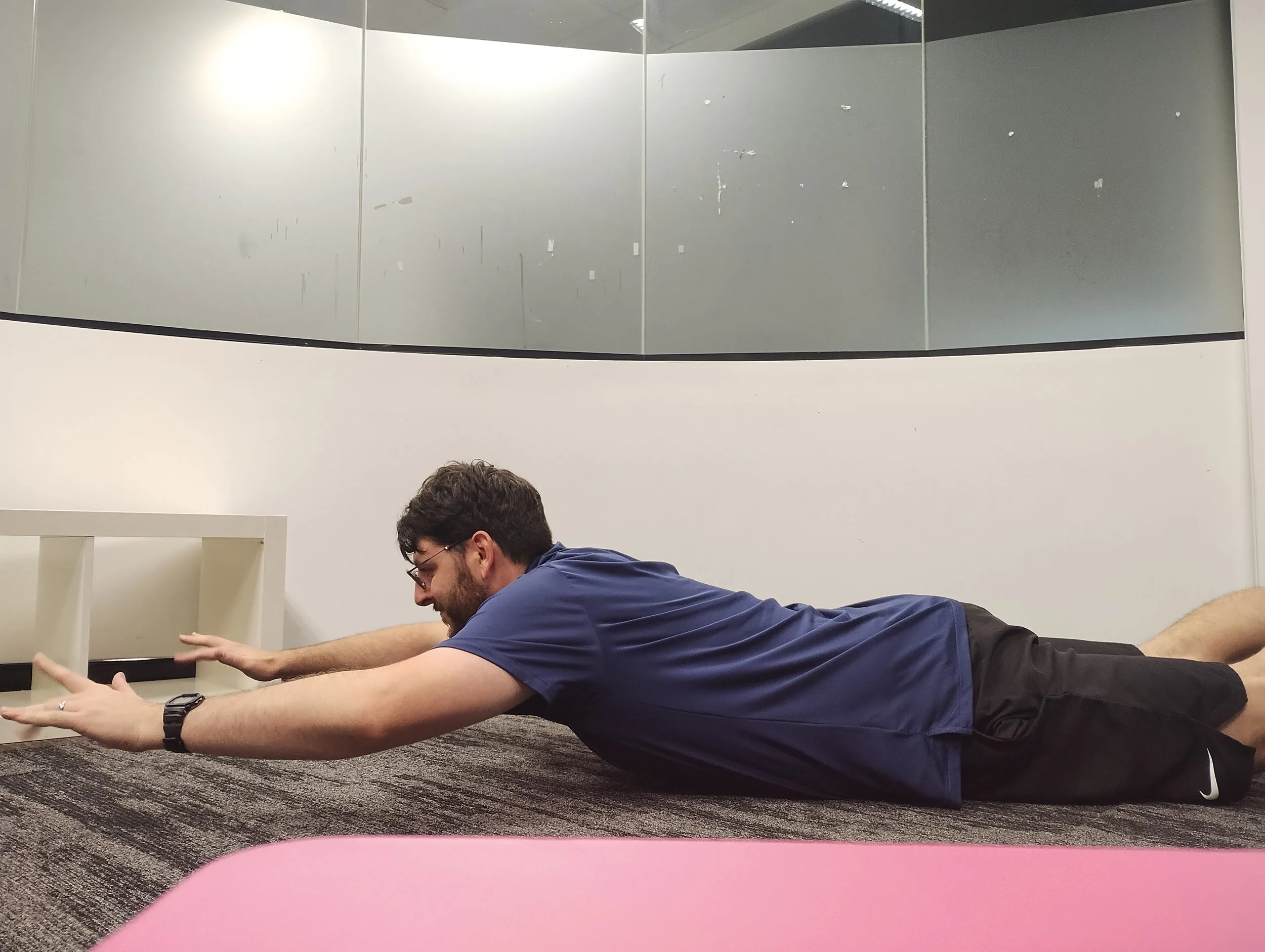
To complete the “Superman”, lay on your stomach with your arms outstretched and use your back muscle to raise your arms, head and legs from the floor.
To complete the “Bug”, lay on your bag with your arms and legs in the air, and use your stomach muscles to lift your head and shoulders from the floor.
If there is a large discrepancy between the maximum time on these exercises, we have work we can do!
An Exercise Physiologist can support you to complete exercises to strengthen these muscles in a fun, safe and individualised way.
Reach out to me if you have questions or you would like an exercise program!
Josh
P.S. a little nugget for those of you who read to the end - stay tuned for a total relaunch and design of my website and logo to reflect the new growth and changes at Exercise on the Spectrum!
