

The Physical Activity Problem
Our lives are becoming more and more sedentary. The majority of adults don’t meet recommended exercise guidelines (78%) and these habits are now being reflected in our kids. Less than one in five Aussie kids are meeting physical activity recommendations. Recently, the Active Healthy Kids Alliance gave Australia a D- score for overall physical activity, despite being famous for our outdoor lifestyle and receiving and A rating for our community and environment opportunities.
So where did we go wrong?
The reasons for regular physical activity are important and diverse;
Improved fitness and endurance
Strengthening of muscles and bones
Healthy weight maintenance and metabolic benefits
Increased attention and cognition
Improved mental health and resilience
The 24h Movement Guidelines from the Australian Government recommend children:
Are physically active for 60 minutes per day in energetic ways
Include activities that strengthen muscles and bones 2-3 times per week
Limit sedentary screen time to 2 hours per day
Get a minimum of 8-10 hours sleep
Despite these recommendations, we live in a society where achieving these guidelines feels more and more difficult.
Parents have fewer time and resources to engage in physical activity with their kids.
Teachers are feeling the crunch of large classrooms, demanding curriculum and complex learning needs.
Technology is becoming more targeted, engaging and draining of our time and attention.
Dr Natasha Schranz, lead investigator and co-chair of Active Healthy Kids Australia suggests that another factor is related to the over-scheduling of children’s time. Dr Schranz suggests that in a society where parents are working so hard to give their kids as many opportunities as possible, we aren’t leaving time for active play.
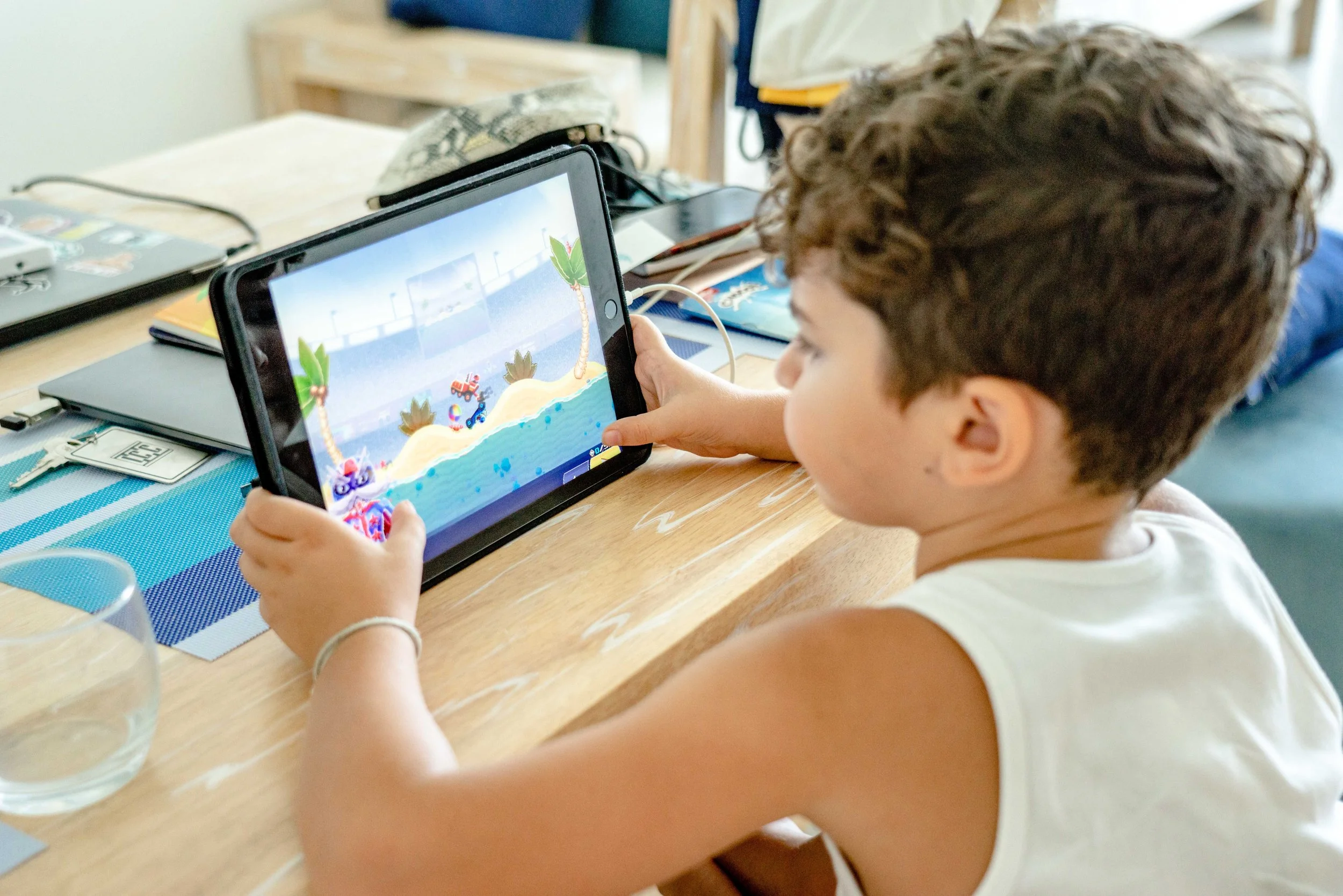
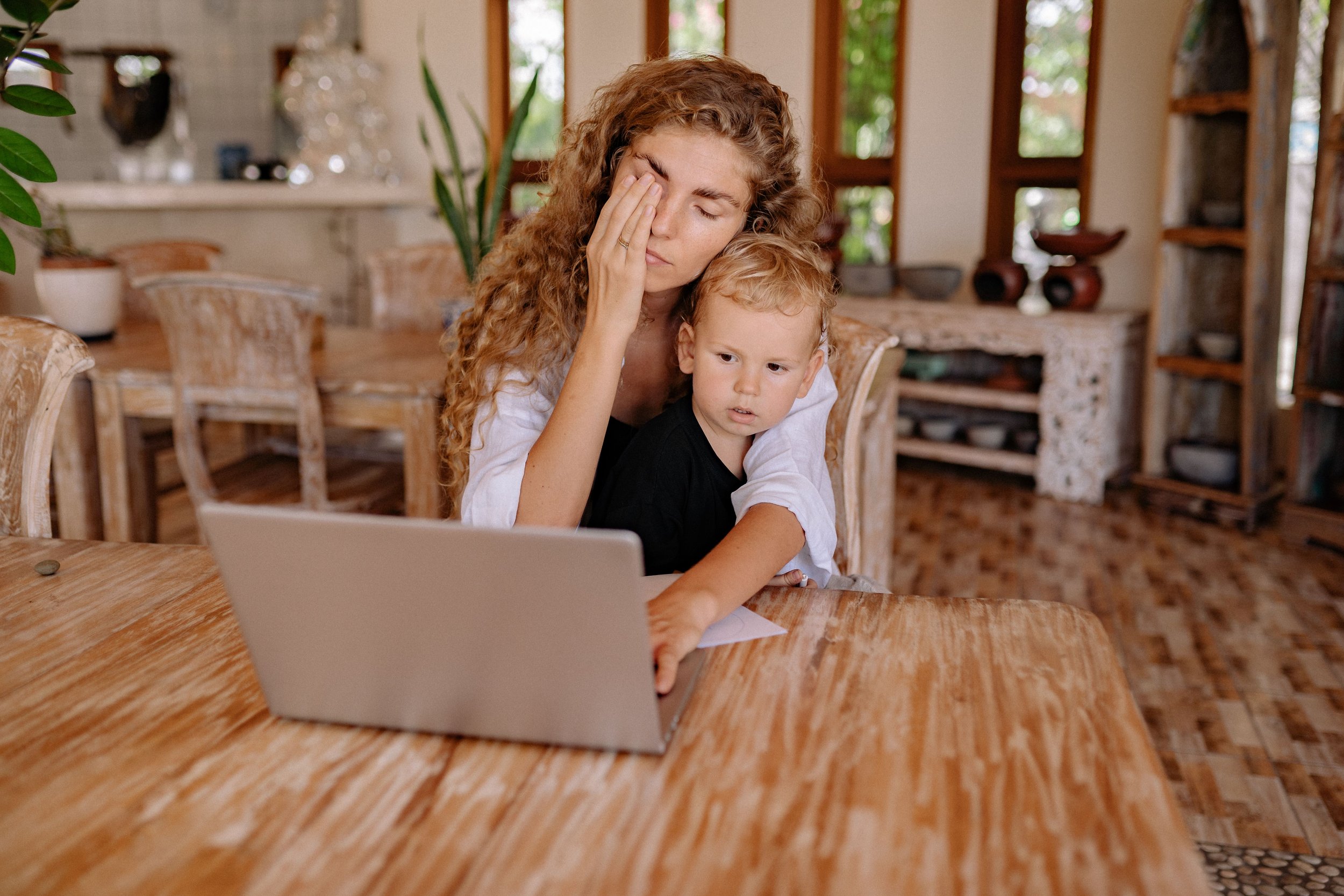
But as many parents know - there is so often very little time left over at the end of the day, and maybe some iPad time gives you some peace while you cook dinner!
So here are some practical ideas as to how you can increase physical activity in you household:
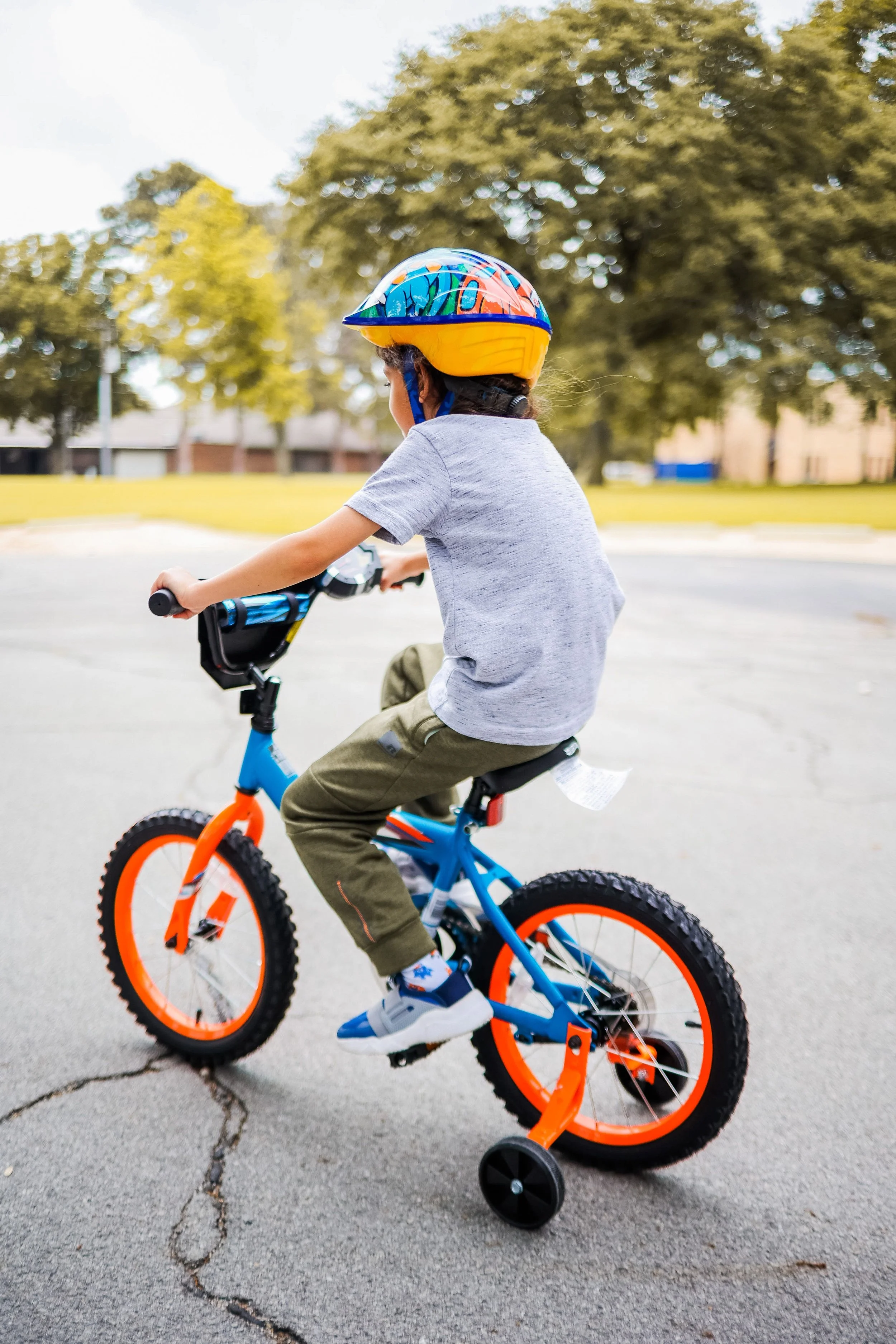
Active transport - how do you get to school? While not appropriate for all, walking/riding/scootering to school is an excellent way to increase physical activity. It is also a useful regulation tool during day transitions! If you live far from school, you can also park at a safe location a couple kilometres away and walk/ride from there.
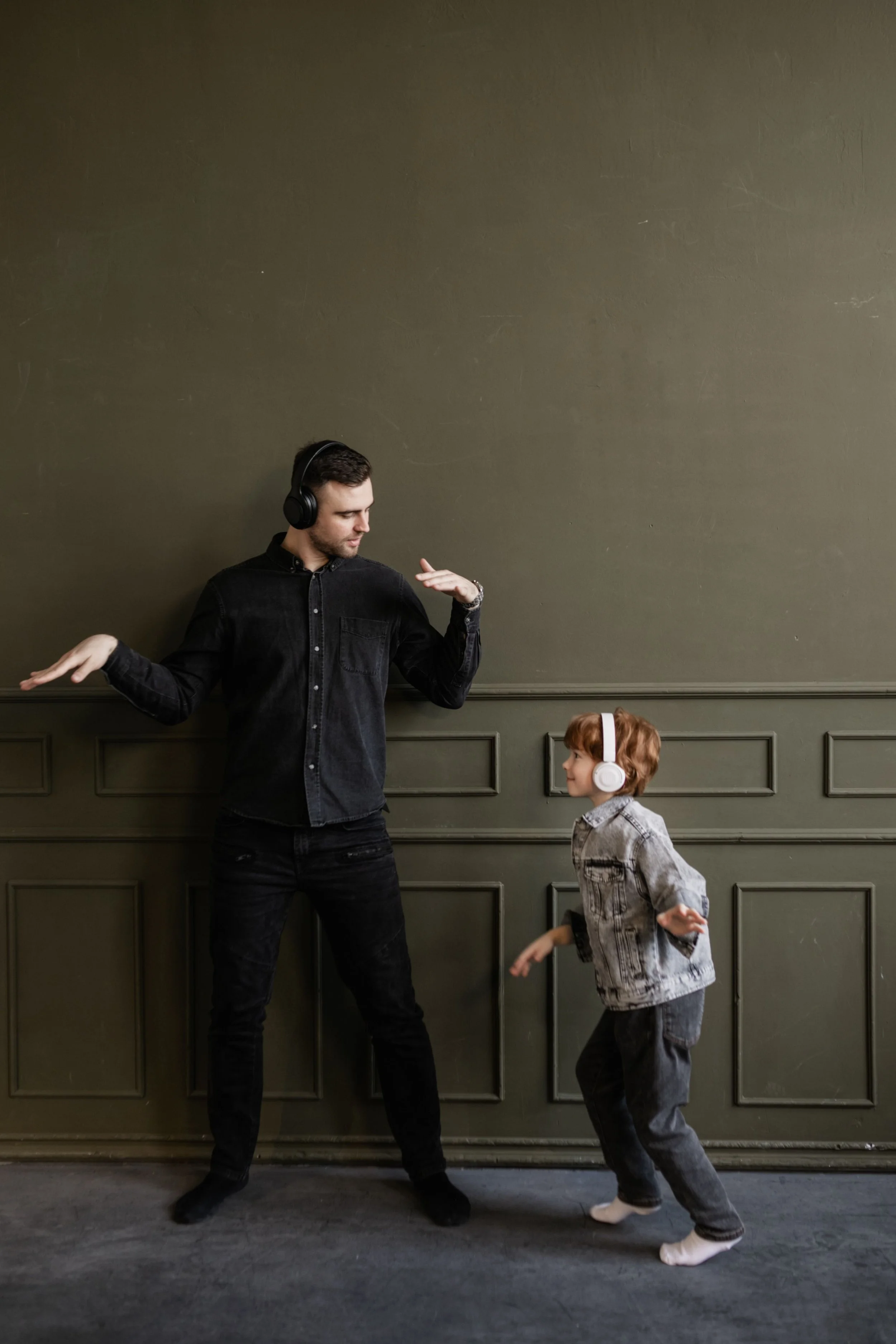
Be creative - not all children love team sports. But not to fear, as dancing, active energetic play (like climbing, jumping and running), biking, walking and exploring are also all great options. The secret is to find what your child loves to do, and make time for it each day.
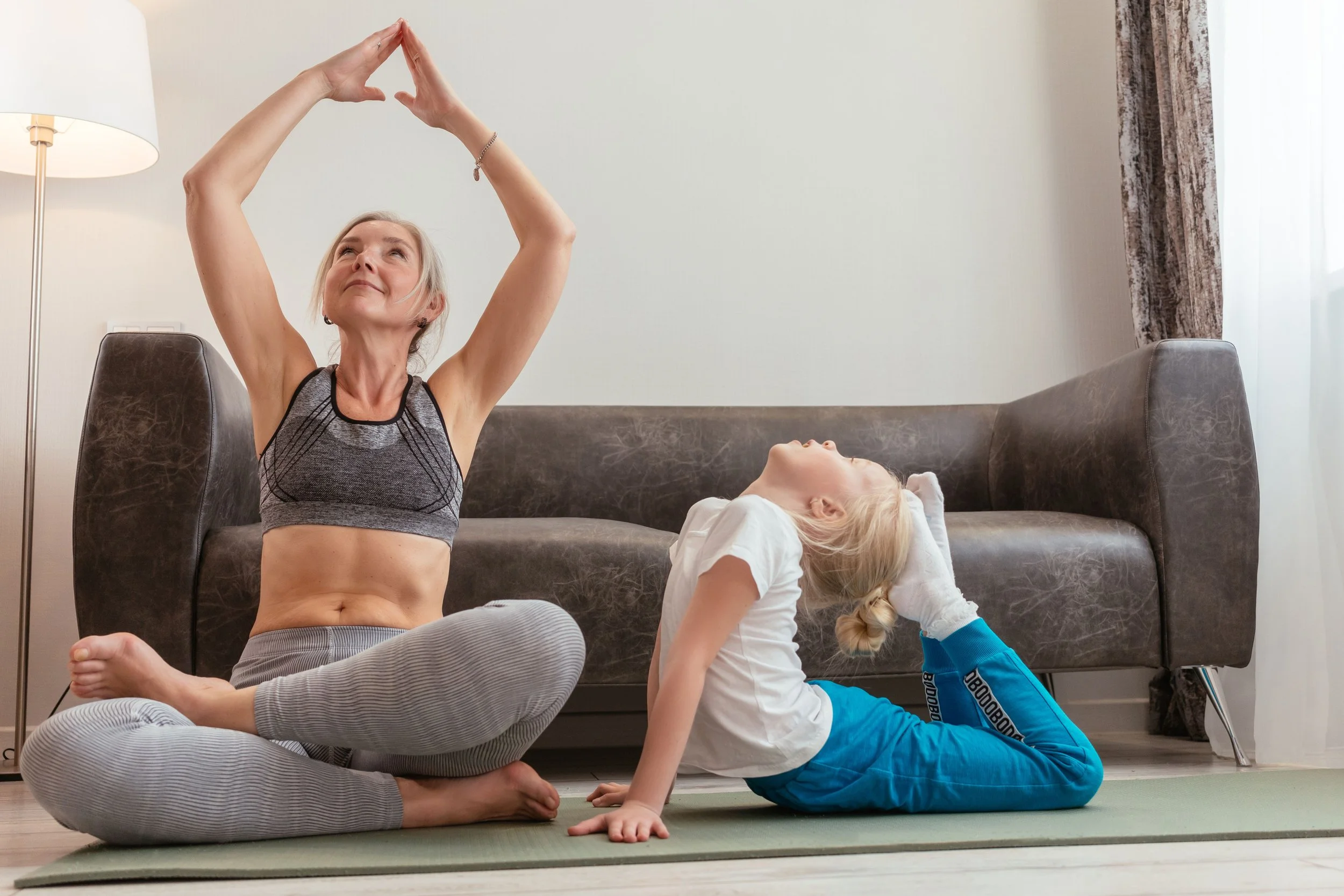
Be a leader - children don’t always do what you say, but they watch what you do. Be honest with yourself - do you make time for physical activity? How can you lead by example or include your kids in your activity. Examples include a family walk after dinner, a home gym setup where kids can watch and join in, or a family dance party!
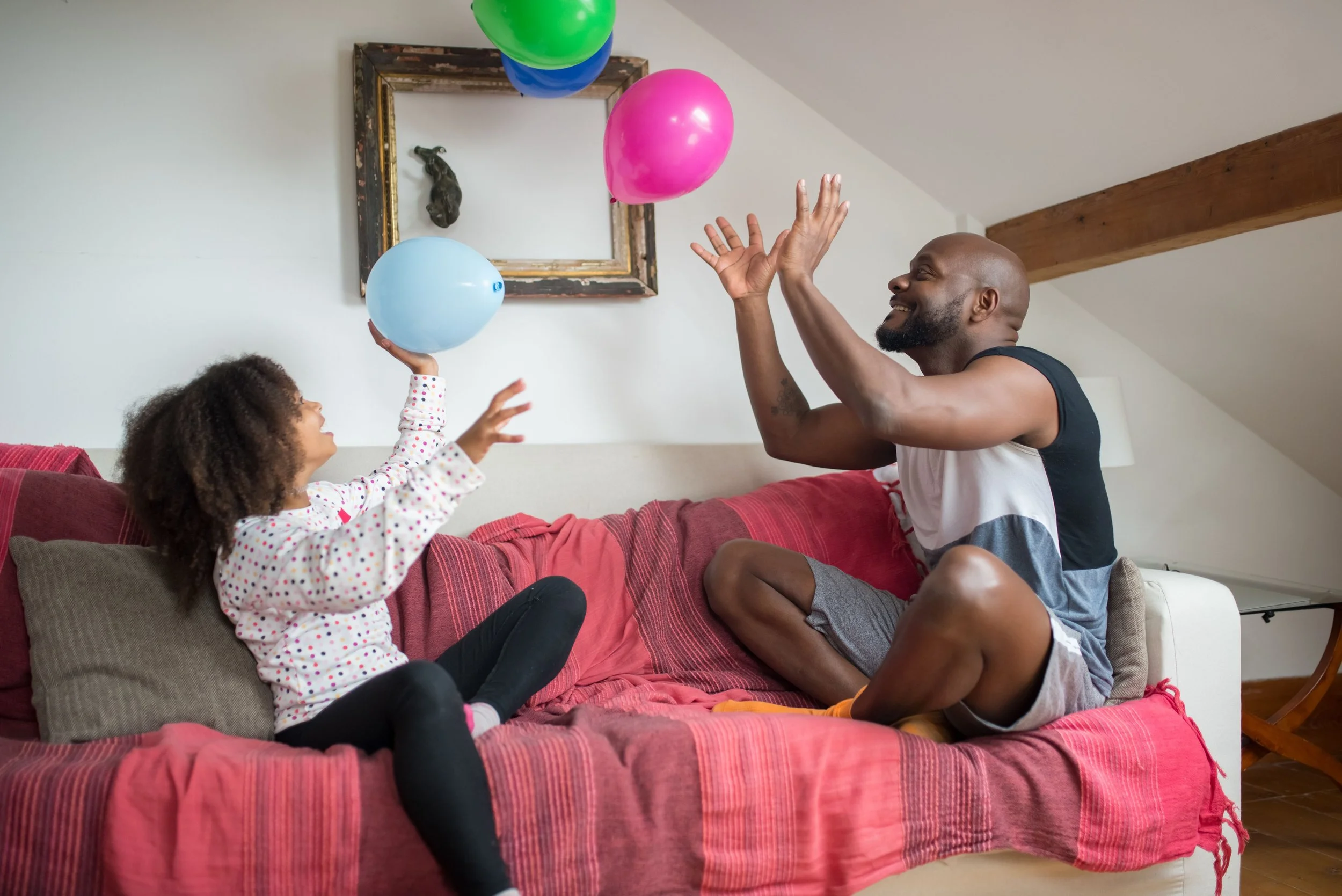
Don’t overcomplicate it - at the end of the day, all movement is good, and the types we enjoy we are more likely to complete. Sometimes on a dark wet afternoon, a balloon, a pack of uno cards or a video on youtube can be all it takes to get the whole household 15 minutes of activity.
If you are a family who would like some help getting their kid more active, or a teacher who needs some help at school, please reach out.
It takes a village to raise a child, and we all play and important part of helping them to be physically active.
Josh
