

The blog is back after a week off - I spent the last fortnight working on some other projects (watch this space)!
We often talk about how autistic people have sensory differences, and assess and provide support based on the idea that these differences are related to sensitivity issues. The stereotypes are common - noise-cancelling headphones because sounds are too loud, difficulty with fluorescent lights and resistance to being touched. While some autistic people do display this hyper-sensitivity, we also know that many are also hypo-sensitive, and some a bit of both!
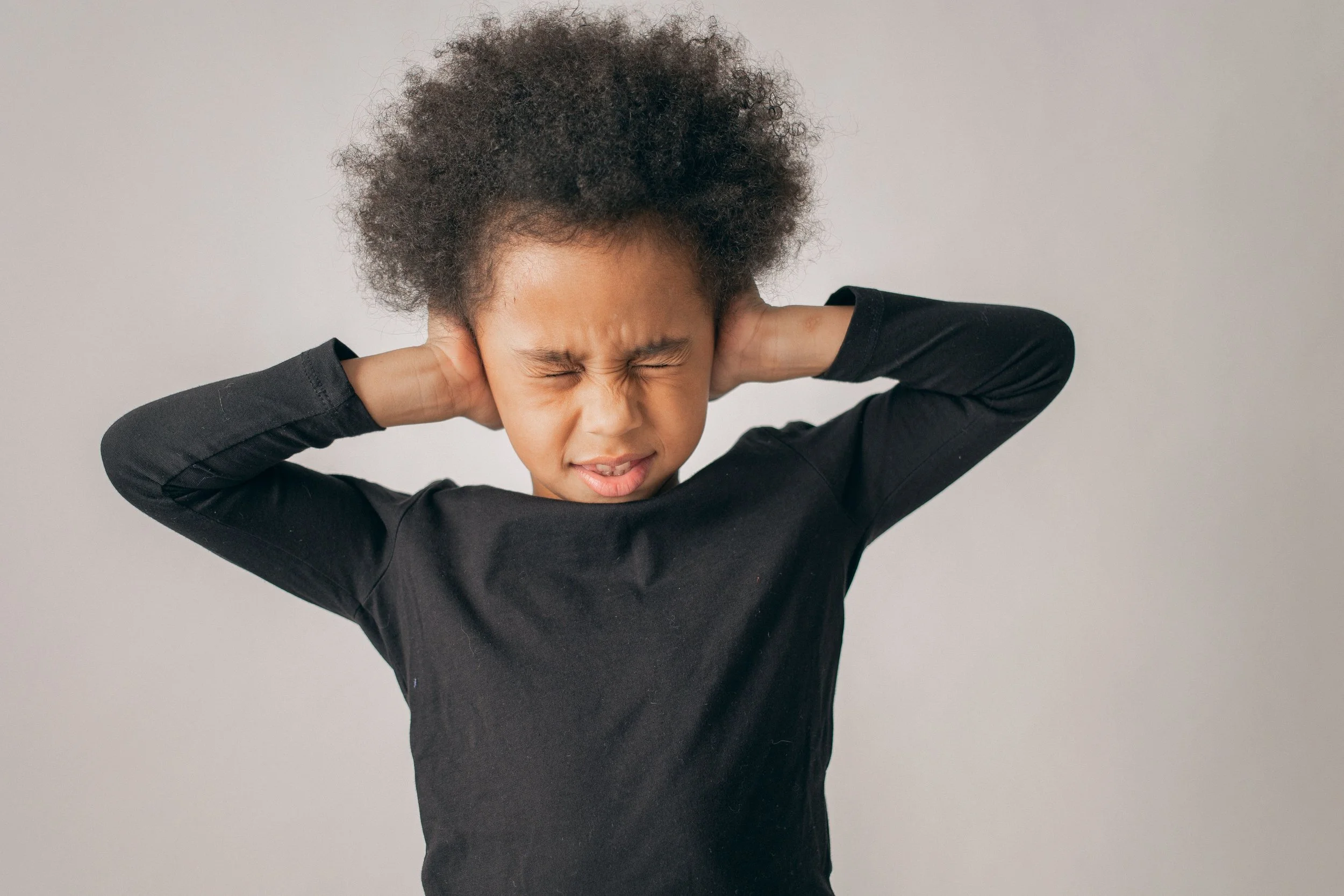
Hyper-sensitivity is when the brain is over-responsive (or very sensitive) to stimuli such as light, sound or touch. This means that only a little bit of sensory input can be recognized and processed. If you can image that every single thing that you saw was processed, it would be very overwhelmed for your brain!
Hypo-sensitivity is when the brain has a low threshold, or is under-responsive to stimuli. In kids this often manifests as sensory seeking behaviours; tasting objects, crashing into things, using lots of force. It is just as common for autistic people to be hypo-sensitive to hyper-sensitive! This is why when we discuss characteristics of autism we say “sensory differences”.
This single paradigm is often how sensory differences in school and therapy are discussed - how sensitive are people to stimuli, and how do we reduce or increase their exposure to stimuli based on their sensory profile. It is also important to consider sensory reactivity, or put simply, how that sensory information is experienced. For example, someone might have hyper-sensitivity to sound, but not have a strong reactive response - they just hear really well! Alternatively, others may have a large reactivity to a low stimulus response. So how do we know what the cause is of sensory distress for autistic people?

Two decades of research has demonstrated consistently that sensory sensitivity is strongly correlated with or even predictive of autism. This research however has a key limitation - most of the data comes from parent-report questionnaires on the sensitivity of their children. Many of these questionnaires ask questions that require insight on complex sensory processes from autistic kids or their parents and this produces highly inconsistent results. Other behavioural studies, such as those that investigated visual acuity as a measure of sensitivity to stimuli have also consistently produced contrasting results. So how do we know what to believe?
Samantha Schulz and Ryan Stevenson from Western University in Canada have been conducting research to distinguish sensory sensitivity and sensory reactivity and how they relate to autistic traits. In several studies investigating both autistic and neurotypical adults, they found that sensory sensitivity and reactivity were two separate constructs, that were often being reported only as one. In their 2020 study, they contrasted behavioural data (quantitative, measured responses) and self-report measures on sensitivity of a visual or auditory task.
What they found was that there was no significant correlation between behavioural threshold (how sensitive they were to the stimuli) and their self-report (how they thought they experienced it). They therefore concluded that self-report measures are in fact not a measure of sensitivity, but reactivity - they measure how the sensory input made them feel, not what their body and brain experienced. What they did find, was that self-report measures for both visual and auditory input were more closely correlated with autistic traits than the behavioural data alone.
This research is very important as it demonstrates a) that sensivitity and reactivity are distinct constructs, and b) that we are measuring reactivity when we think we are measuring sensitivity! An easy way to understand this concept is to consider a fire alarm vs a microwave. For most people, a fire alarm is a very loud stimulus that generates a large reaction in most people. If we contrast this to a microwave, with a smaller stimulus, this won’t generate a reaction in most people, but for those who are more reactive, it may be quiet unpleasant. Schulz and Stevenson characterised this very well in their 2020 paper:
“First, autistic individuals may perceive the microwave as being louder than their peers do (hypersensitivity), and thus an overt behavioural response would be expected, as it would be for a fire alarm. Second, autistic individuals may not perceive the microwave as louder than their TD peers, but still overtly respond (hyperreactive)”.
- Schulz, S., & Stevenson, R. (2020). Distinguishing sensory sensitivity and reactivity, and how they relate to autistic traits.

Apples and Oranges
The clinical applications of these findings are actually very important. If our goal is to improve quality of life for autistic people, we first need to understand where the challenges are coming from. This means that we need to consider not just how someone reacts to stimuli but how they perceive it! Sensory overload is a complex process involving both sensitivity and reactivity that is unfortunately common in autistic people. It is important to note that overstimulation and distress are human experiences to stress and overwhelm and are not unique to autism.
If we know that autistic people are likely to have a stronger reaction to sensory stimuli due to differences in the depth of processing, we can therefore do more to support coping, soothing and reduce distress. For example, if auditory input causes a high level of distress, solutions that address both the size of the stimulus (e.g., wearing noise-reducing headphones), as well as increasing the predictability of the stimulus (e.g., being aware of the sound, it’s purpose and it’s frequency) can support wellbeing by addressing both sensitivity and reactivity.
This is why when I teach about accommodations for autistic kids I don’t just talk about sensory reduction, but also about opportunities for increased sensory input, and most importantly predictability and forewarning. One of the best strategies you can utilise to reduce sensory distress is to increase the predictability of the sensory stimulus! Many autistic people lack the inferred context of the environment and, as Peter Vermuelen says, need us to “push the context button”.

Explaining what is happening, or going to happen, isn’t just about a need for control, it is a fundamental support for reducing environmental stress.
So next time you are working with an autistic person with sensory difficulties, consider the following:
Are they hyper-sensitive or hypo-sensitive? What is the intensity of the distressing input?
How do they experience the sensory information? How reactive are they to their environment?
How can you reduce/increase the stimulus to support them?
How can you “push the context button” and support them to understand and predict the distressing stimulus?
